The Essential Home Inspection Checklist for Des Moines Buyers
Discover the critical items every home inspector examines to protect your investment in Iowa's capital region.

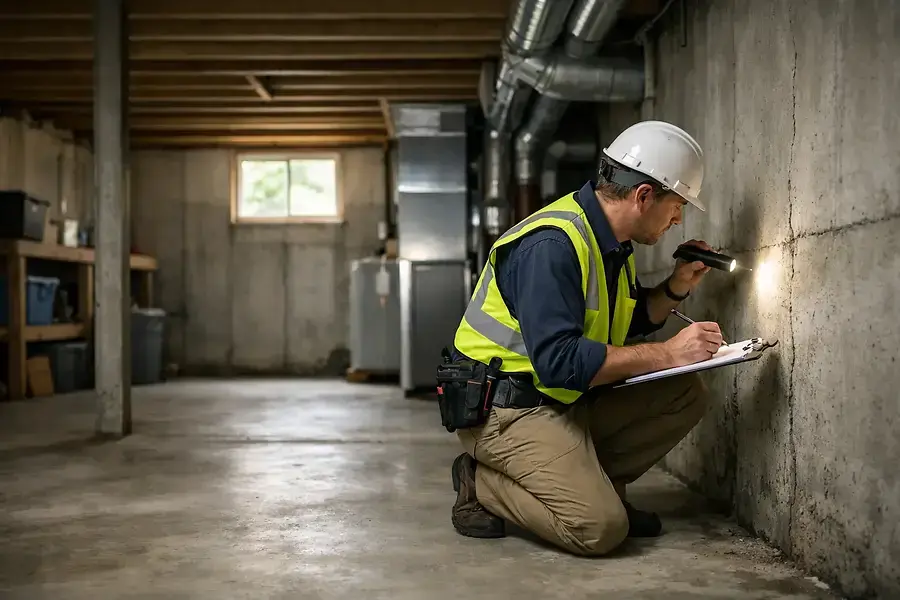
Understanding Why Professional Home Inspections Matter
Purchasing a home is one of the most significant financial decisions you'll make. In Des Moines and the surrounding Iowa region, a professional home inspection serves as your safeguard against costly surprises after closing. A thorough inspection provides an objective assessment of your property's condition, identifying potential issues before they become expensive problems.
Home inspectors bring specialized knowledge and experience that the average buyer simply doesn't possess. They understand the unique challenges that Midwest properties face, from harsh winters to humidity fluctuations. By investing in a professional inspection, you gain peace of mind and valuable negotiating power with sellers.
Key Areas Inspectors Evaluate in Des Moines Homes
Structural Components and Foundation
The foundation is the backbone of any home. Inspectors carefully examine the basement or crawl space for signs of settling, cracks, water intrusion, and structural damage. In Des Moines, where soil conditions and freeze-thaw cycles can affect foundations, this inspection is particularly critical. Look for horizontal cracks, bowing walls, or evidence of previous repairs.
Roofing and Exterior
Your roof protects everything beneath it. Inspectors assess shingle condition, flashing integrity, gutters, and downspouts. They'll check for missing or damaged shingles, proper drainage, and signs of leaks. The exterior walls, siding, windows, and doors are also evaluated for weatherproofing and structural integrity. Iowa's weather demands a well-maintained exterior to prevent water damage and energy loss.
Plumbing Systems
A comprehensive plumbing inspection includes:
- Water pressure and flow rates
- Pipe material and condition (galvanized, copper, PVC)
- Water heater age and functionality
- Drain and sewer line integrity
- Presence of leaks or corrosion
- Proper venting and grading
Older Des Moines homes may have outdated plumbing that requires upgrades or replacement.
Electrical Systems
Inspectors evaluate the electrical panel, wiring, outlets, and switches. They verify that the system meets current safety codes and can handle modern electrical demands. Outdated wiring, insufficient grounding, or overloaded circuits are common issues in older homes that need addressing.
HVAC and Climate Control
Heating and cooling systems are essential in Iowa's climate. Inspectors test furnaces, air conditioners, and heat pumps for proper operation. They assess the age of equipment, maintenance history, and efficiency. Ductwork is examined for leaks and proper insulation.
Insulation and Ventilation
Proper insulation and ventilation are crucial for energy efficiency and preventing moisture problems. Inspectors check attic insulation levels, basement insulation, and crawl space conditions. Adequate ventilation prevents mold growth and extends the life of roofing materials.
Common Issues Found in Midwest Properties and How to Address Them
Water Damage and Moisture Problems
The Midwest's precipitation and humidity create ideal conditions for water intrusion. Common problem areas include:
- Basement moisture: Install proper grading, add gutters and downspouts, or consider a sump pump system
- Roof leaks: Replace damaged shingles or flashing promptly
- Foundation cracks: Seal minor cracks; consult a structural engineer for major issues
Outdated Systems
Many Des Moines homes contain aging electrical, plumbing, and HVAC systems. While not always dangerous, they may be inefficient or require frequent repairs. Budget for upgrades if systems are nearing the end of their expected lifespan.
Poor Insulation and Air Leaks
Older homes often lack adequate insulation. Improving insulation in the attic, basement, and walls reduces energy costs and improves comfort. Sealing air leaks around windows, doors, and penetrations prevents drafts and moisture issues.
Roof Condition
Iowa's weather is tough on roofs. Hail, wind, and temperature swings cause premature aging. If your inspection reveals a roof nearing the end of its life, factor replacement costs into your offer or negotiate repairs with the seller.
Pest and Termite Damage
Wood-destroying insects are a concern in the Midwest. Inspectors look for signs of termites, carpenter ants, and other pests. Damage may require professional pest control treatment and structural repairs.
Taking Action After Your Inspection Report
Review the Report Thoroughly
Take time to understand every finding. Ask your inspector to explain issues you don't understand. Request clarification on severity levels and recommended timelines for repairs.
Prioritize Issues by Severity
Not all inspection findings require immediate action. Categorize issues as:
- Critical: Safety hazards or structural problems requiring immediate attention
- Important: Systems nearing end of life or causing inefficiency
- Minor: Cosmetic issues or routine maintenance items
Negotiate with the Seller
Use inspection findings as leverage in negotiations. Request that the seller repair critical issues, provide credits for repairs, or reduce the purchase price. Many sellers prefer to provide credits rather than handle repairs themselves.
Plan Your Budget
Develop a realistic timeline and budget for addressing issues. Prioritize safety concerns and systems that affect daily living. Plan larger repairs for future years if necessary.
Get Follow-Up Inspections
For significant issues, consider hiring specialists. A structural engineer can assess foundation concerns, while a licensed electrician can evaluate electrical systems. These expert opinions provide confidence in your decisions.
A professional home inspection is an investment in your future. By understanding what inspectors evaluate and taking action on their findings, you protect your investment and ensure your Des Moines home is safe, efficient, and built to last. Don't skip this critical step in the home-buying process.