The Essential Home Inspection Checklist for Little Rock Homebuyers
Discover what to look for during a home inspection to protect your investment in Little Rock.

Why Home Inspections Matter in Little Rock
Purchasing a home is one of the most significant financial decisions you'll make in your lifetime. In Little Rock, where the real estate market is competitive and diverse, a professional home inspection is your best defense against costly surprises after closing. A thorough inspection provides you with detailed knowledge about your potential property's condition, allowing you to make informed decisions and negotiate better terms.
Home inspections are particularly important in Little Rock due to the region's climate, which can impact structural integrity and various home systems. From humidity-related issues to foundation concerns, understanding what inspectors look for can save you thousands of dollars in unexpected repairs.
What to Expect During a Professional Home Inspection
The Inspection Process
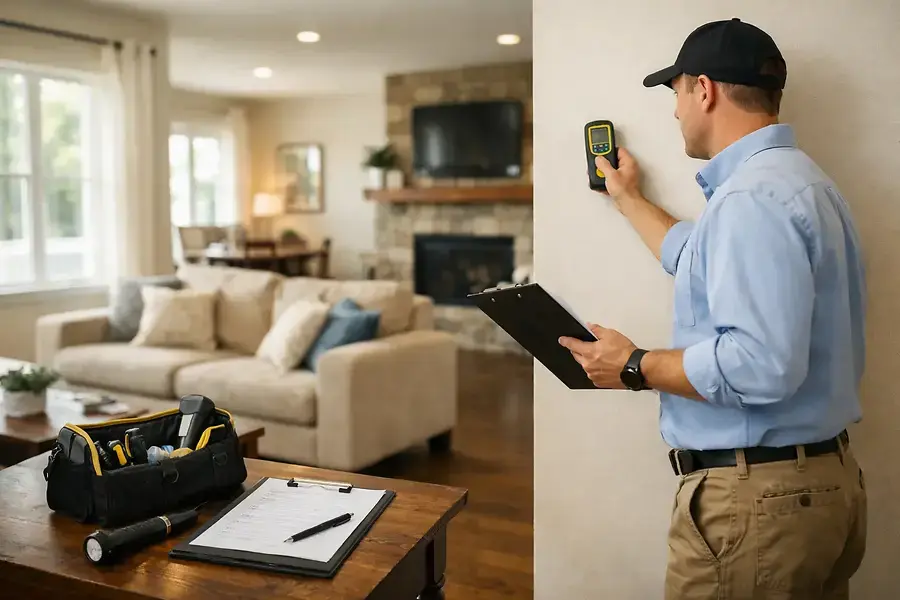
A professional home inspection typically lasts between two to four hours, depending on the property's size and age. During this time, a certified inspector will systematically examine both the interior and exterior of the home, documenting their findings in a detailed report.
Key Areas Inspectors Examine
- Foundation and Structural Components: Inspectors check for cracks, settling, and water damage that could indicate serious structural problems.
- Roof and Attic: They assess the roof's condition, age, and potential leaks, as well as attic ventilation and insulation.
- Plumbing Systems: Water pressure, drainage, pipe materials, and signs of leaks are thoroughly evaluated.
- Electrical Systems: The inspector checks the panel, wiring, outlets, and safety features to ensure everything meets current codes.
- HVAC Systems: Heating and cooling systems are tested for proper operation and maintenance needs.
- Windows and Doors: Inspectors verify that all windows and doors operate smoothly and seal properly.
- Exterior Elements: Siding, gutters, downspouts, and landscaping drainage are examined for potential issues.
Common Issues Found in Little Rock Homes and How to Address Them
Moisture and Humidity Problems
Little Rock's humid climate makes moisture issues one of the most common problems found during inspections. Look for signs of water damage, mold, or excessive humidity in basements, crawl spaces, and attics. If detected, ensure proper grading around the foundation, install or repair gutters, and consider a dehumidifier system.
Foundation Issues
Older homes in Little Rock may experience foundation settling or cracking. Minor cracks are often cosmetic, but significant structural cracks require professional assessment. Request a structural engineer's evaluation if the inspector flags serious concerns.
Roof Age and Condition
Many Little Rock homes have roofs nearing the end of their lifespan. If your inspection reveals a roof older than 15-20 years, budget for replacement soon. This is a major expense, so use it as a negotiation point with the seller.
Outdated Electrical Systems
Older homes may have outdated wiring or insufficient electrical capacity. Aluminum wiring and knob-and-tube wiring are particular concerns that may require professional remediation or complete rewiring.
HVAC System Age
Air conditioning and heating systems typically last 10-15 years. If the inspection reveals an aging system, factor replacement costs into your offer or request that the seller address this before closing.
Plumbing Concerns
Galvanized pipes, which are common in older Little Rock homes, can corrode and restrict water flow. Polybutylene pipes, used in homes built during the 1980s and 1990s, are prone to failure. These issues may require extensive replumbing.
Using Inspection Results to Negotiate and Protect Your Investment
Understanding Your Inspection Report
Your inspector will provide a comprehensive report categorizing issues by severity. Pay special attention to items marked as "safety concerns" or "major repairs needed." These are your strongest negotiation points.
Negotiation Strategies
Once you receive the inspection report, you have several options:
- Request Repairs: Ask the seller to fix major issues before closing. This is most effective for significant problems like roof repairs or electrical work.
- Request Credits: The seller can provide a credit toward closing costs to cover repairs you'll handle yourself.
- Renegotiate Price: Use inspection findings to justify a lower offer price that accounts for necessary repairs.
- Walk Away: If issues are extensive and costly, you have the right to terminate the purchase within the inspection contingency period.
Protecting Your Investment Long-Term
Don't view the inspection report as just a negotiation tool. Use it as a roadmap for future maintenance and repairs. Create a prioritized list of issues and address critical safety concerns immediately after closing. Schedule regular maintenance for HVAC systems, plumbing, and roofing to prevent small problems from becoming expensive disasters.
A thorough home inspection is an investment in peace of mind. The few hundred dollars spent on an inspection can save you thousands in unexpected repairs and provide confidence in your purchase decision.
Final Thoughts
Home inspections are a crucial step in the homebuying process in Little Rock. By understanding what inspectors look for, recognizing common local issues, and using inspection results strategically, you can protect your investment and make a confident decision about one of life's biggest purchases. Always hire a certified, experienced inspector and take time to review their findings thoroughly before making your final decision.


