The Essential Home Inspection Checklist for Residential Buyers
Protect your investment by learning what professional inspectors look for and how to spot potential issues before closing.

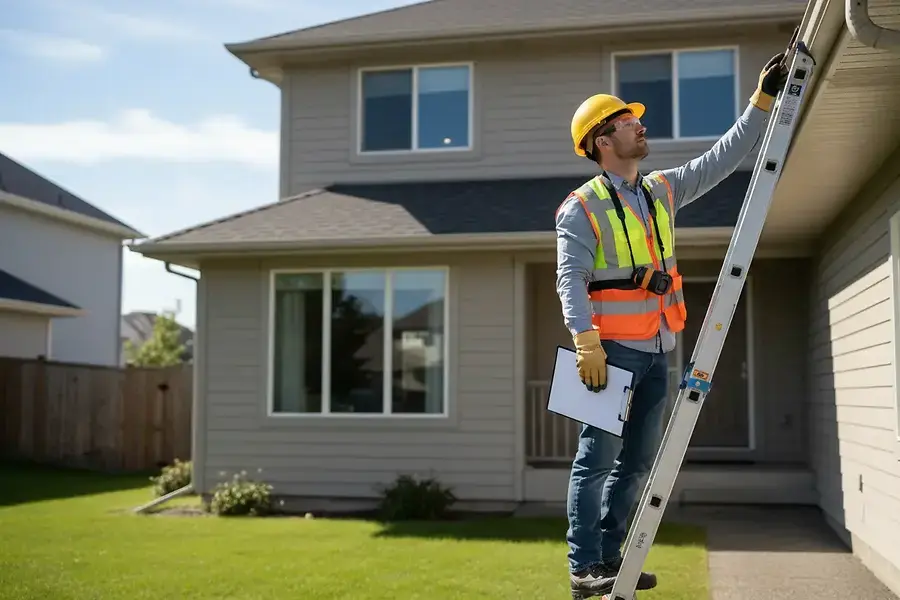
Understanding the Importance of Home Inspections
Purchasing a home is one of the largest financial decisions most people make in their lifetime. A professional home inspection serves as your safeguard against costly surprises after closing. Unlike an appraisal, which determines a property's market value, an inspection evaluates the physical condition of the structure and its systems.
A thorough home inspection can reveal hidden defects, safety hazards, and maintenance issues that aren't visible during a casual walkthrough. By investing in a professional inspection, you gain valuable information that empowers you to make informed decisions about your purchase. This knowledge can save you thousands of dollars in unexpected repairs and provide peace of mind about your new investment.
Why Professional Inspectors Matter
Professional home inspectors bring specialized training, tools, and experience to evaluate properties systematically. They follow established standards and provide detailed reports that document their findings. Their objective assessment helps level the playing field between buyers and sellers, ensuring you understand exactly what you're purchasing.
Key Areas Inspectors Evaluate and Red Flags to Watch For
Structural Components
Inspectors examine the foundation, framing, and overall structural integrity of the home. Red flags include:
- Cracks in the foundation or basement walls
- Uneven or sloping floors
- Bowing or leaning walls
- Water damage or moisture intrusion
Structural issues can be expensive to repair and may indicate deeper problems with the property's stability.
Roofing and Exterior
The roof protects your entire home from the elements. Inspectors assess shingles, flashing, gutters, and overall condition. Watch for:
- Missing or damaged shingles
- Sagging roof lines
- Deteriorated flashing around chimneys and vents
- Clogged or damaged gutters
- Exterior wood rot or pest damage
A roof replacement can cost $10,000 or more, making this evaluation critical.
Plumbing Systems
Inspectors check water supply lines, drainage systems, fixtures, and water heaters. Common concerns include:
- Outdated or corroded pipes
- Low water pressure
- Slow drains or signs of clogs
- Water heater age and condition
- Leaks under sinks or around fixtures
Plumbing issues can lead to water damage and mold growth if left unaddressed.
Electrical Systems
A safe electrical system is essential for your home's functionality and safety. Inspectors evaluate the panel, wiring, outlets, and grounding. Red flags include:
- Outdated or inadequate electrical panels
- Insufficient outlets or overloaded circuits
- Improper grounding or bonding
- Aluminum wiring (a fire hazard)
- Missing GFCI outlets in wet areas
Electrical problems pose serious safety risks and should never be ignored.
HVAC Systems
Heating, ventilation, and air conditioning systems are vital for comfort and indoor air quality. Inspectors assess furnaces, air conditioners, ductwork, and thermostats. Watch for:
- Age and condition of equipment
- Improper installation or maintenance
- Inadequate ventilation
- Refrigerant leaks
Interior Conditions
Inspectors examine walls, ceilings, floors, windows, doors, and insulation. They look for signs of water damage, mold, pest infestations, and poor ventilation. Key concerns:
- Mold or mildew growth
- Evidence of pest damage
- Broken windows or damaged frames
- Poor insulation in attics
- Signs of previous water damage
How to Prepare for and Interpret Your Inspection Report
Before the Inspection
Prepare by gathering any available documentation about the home's history, previous repairs, and maintenance records. Create a list of specific concerns you have about the property. If possible, attend the inspection to ask questions and observe the inspector's process firsthand.
Understanding Your Report
Inspection reports typically categorize findings by severity. Common categories include:
- Safety Issues: Problems that pose immediate danger
- Major Repairs: Significant defects requiring professional attention
- Minor Issues: Small problems that should be addressed eventually
- Maintenance Items: Regular upkeep recommendations
Don't panic if your report contains multiple items. Most homes have some issues. Focus on understanding which problems are serious and which are routine maintenance concerns.
Getting Professional Opinions
For major issues identified in the inspection, consider obtaining specialized evaluations from contractors. A roofer can assess roof damage, a plumber can evaluate plumbing concerns, and an electrician can review electrical issues. These expert opinions provide concrete repair estimates and help you understand the true scope of work needed.
Taking Action: Negotiation Strategies Based on Inspection Findings
Evaluating Your Options
After receiving your inspection report, you have several options. You can request repairs from the seller, ask for a price reduction to cover repair costs, negotiate a credit at closing, or walk away from the deal if issues are too severe.
Prioritizing Your Requests
Focus your negotiation efforts on significant issues that affect safety, functionality, or structural integrity. Don't overwhelm the seller with requests for every minor issue. Prioritize problems that are expensive to fix or that you cannot address yourself after purchase.
Making Your Case
Use your inspection report and any contractor estimates as supporting documentation. Be specific about which issues concern you and why. Frame your requests professionally: instead of demanding repairs, present them as necessary corrections to bring the home to acceptable condition.
Knowing When to Walk Away
If the inspection reveals extensive structural damage, serious safety hazards, or repair costs that exceed your budget, it may be wise to reconsider your offer. Remember, you can always find another home, but you cannot undo a bad purchase decision.
A home inspection is not just a formality—it's your opportunity to make an informed decision about one of life's biggest investments. Take it seriously, ask questions, and don't hesitate to seek professional guidance when needed.


