The Essential Home Inspection Checklist for Residential Buyers
Discover the critical inspection points that protect your investment and reveal hidden issues before you sign the contract.

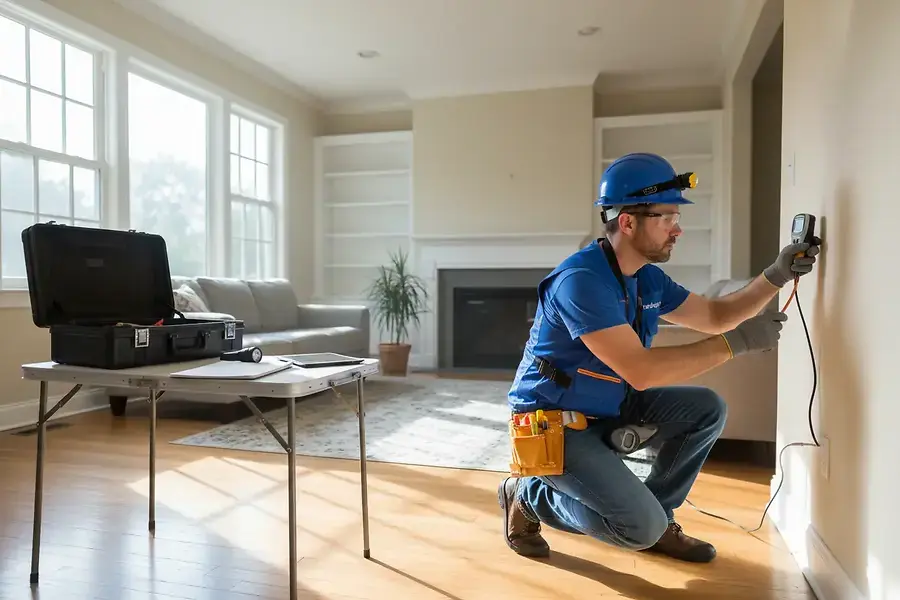
Why Home Inspections Matter for Residential Purchases
Purchasing a home is one of the most significant financial decisions you'll ever make. A thorough home inspection serves as your safeguard against costly surprises and hidden defects that could drain your savings after closing. Professional inspectors examine every aspect of a property, providing you with detailed information about its true condition and potential issues that may require immediate attention or future repairs.
Without a proper inspection, you risk inheriting problems ranging from minor cosmetic issues to major structural damage or failing systems. An inspection report gives you the leverage to negotiate repairs, request credits, or even walk away from a problematic property before it's too late.
Structural and Foundation Elements to Evaluate
Foundation Integrity
The foundation is the backbone of any home. Inspectors should look for cracks, settling, water damage, and signs of movement in the foundation walls and basement. Small hairline cracks may be normal, but larger cracks or horizontal fractures indicate serious structural problems that require professional assessment.
Roof and Attic Condition
Your roof protects everything beneath it. During inspection, evaluators examine:
- Shingle condition and age
- Flashing around chimneys and vents
- Signs of leaks or water damage in the attic
- Proper ventilation and insulation levels
- Gutters and downspout functionality
A roof nearing the end of its lifespan is a major expense to budget for in your future.
Walls and Structural Framing
Inspectors assess the integrity of exterior walls, checking for water intrusion, rot, pest damage, and proper construction. Interior walls should be evaluated for signs of settling or structural movement that could indicate foundation problems.
Systems and Utilities: HVAC, Plumbing, and Electrical Assessments
Heating, Ventilation, and Air Conditioning (HVAC)
A properly functioning HVAC system is essential for comfort and energy efficiency. Inspectors evaluate:
- Age and condition of furnace and air conditioning units
- Thermostat functionality
- Ductwork integrity and proper insulation
- Filter accessibility and maintenance records
Replacing an HVAC system can cost $5,000 to $15,000, making this assessment critical for your budget planning.
Plumbing Systems
Water is essential, but plumbing problems are costly. Inspectors check:
- Water pressure and flow rates
- Pipe material and condition (galvanized, copper, PVC)
- Signs of leaks, corrosion, or water damage
- Water heater age and functionality
- Drain and sewer line integrity
- Septic system condition (if applicable)
Corroded pipes or failing water heaters require immediate attention and can lead to significant water damage if not addressed promptly.
Electrical Systems
Safety is paramount when evaluating electrical systems. Inspectors examine:
- Panel condition and capacity
- Proper grounding and bonding
- Presence of outdated wiring (knob-and-tube, aluminum)
- GFCI outlets in wet areas
- Adequate outlets and circuit distribution
- Signs of overheating or fire hazards
Outdated or faulty electrical systems pose serious safety risks and may require complete rewiring, a substantial investment.
Interior and Exterior Condition Red Flags
Water Damage and Moisture Issues
Water intrusion is one of the most common and costly problems in homes. Look for:
- Stains on ceilings and walls
- Soft or spongy flooring
- Mold or mildew growth
- Basement or crawlspace moisture
- Damaged or missing caulking around windows and doors
Mold remediation and water damage repair can be extremely expensive, making early detection crucial.
Pest Infestations and Structural Damage
Termites, carpenter ants, and other pests can cause significant structural damage. Inspectors look for:
- Wood damage and decay
- Pest droppings or evidence of infestation
- Mud tubes or tunnels
- Hollow-sounding wood
Exterior Elements
The exterior protects your home from the elements. Evaluate:
- Siding condition and gaps
- Window and door seals
- Deck or porch structural integrity
- Grading and drainage around the foundation
- Driveway and walkway condition
Interior Finishes and Appliances
While cosmetic issues are less critical than structural problems, they still matter. Check:
- Flooring condition and stability
- Paint and wall condition
- Cabinet and countertop quality
- Appliance age and functionality
- Doors and windows operation
Using Inspection Results to Negotiate and Protect Your Investment
Once you receive your inspection report, you have several options. Use the findings to negotiate repairs or credits with the seller. Major issues like foundation problems or failing systems give you significant leverage to request price reductions or seller-funded repairs.
A thorough home inspection is your opportunity to make an informed decision about one of life's biggest purchases. Don't skip this critical step.
For minor issues, you might choose to accept the property as-is or request the seller address specific concerns. For major problems, you may decide to renegotiate the purchase price or walk away entirely. Having detailed inspection documentation protects you legally and financially throughout the negotiation process.
Remember, the inspection period is your window to uncover problems before you're legally obligated to purchase. Take advantage of this opportunity to thoroughly understand the property's condition and make a confident, informed decision about your investment.


