The Essential Home Inspection Checklist for Stanwood Home Buyers
Discover the critical inspection points that protect your investment and reveal hidden issues before you buy in Stanwood.

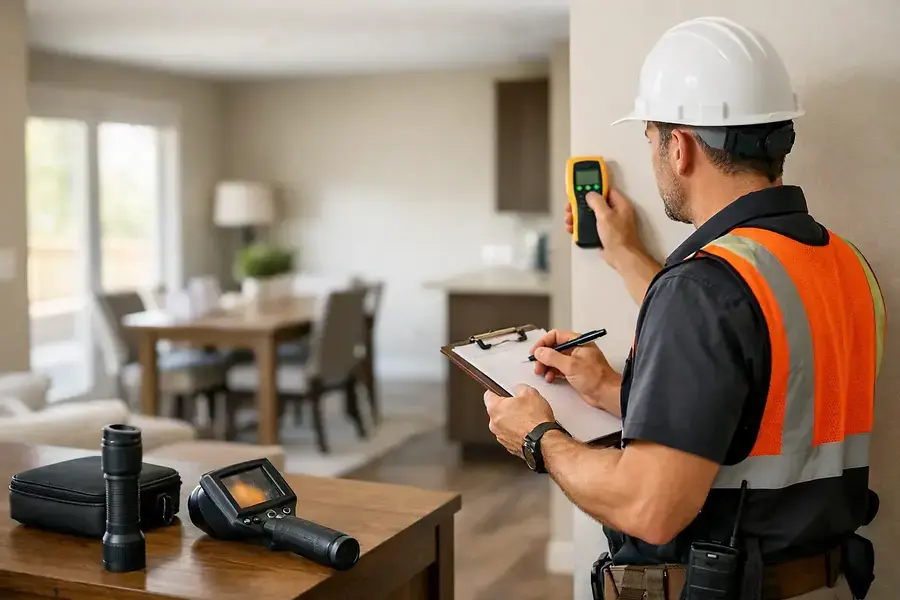
Why Home Inspections Matter in Stanwood's Competitive Market
In Stanwood's fast-paced real estate market, home inspections are your most valuable tool for making informed decisions. With properties moving quickly and competition fierce, many buyers feel pressured to skip thorough inspections or waive them entirely. This is a critical mistake that can cost you thousands in unexpected repairs and maintenance.
A comprehensive home inspection reveals the true condition of a property before you commit to one of the largest purchases of your life. It protects your investment, uncovers hidden issues, and provides leverage for negotiations. Whether you're a first-time buyer or an experienced investor, understanding what inspectors look for is essential to making a confident purchase decision in Stanwood.
Key Areas Inspectors Examine and What Red Flags Mean for Your Purchase
Structural Foundation and Framing
The foundation is the backbone of any home. Inspectors examine the foundation for cracks, settling, water damage, and structural integrity. Red flags include large horizontal cracks, bowing walls, or signs of water intrusion. These issues can be expensive to repair and may indicate serious underlying problems.
Roofing and Attic Condition
Your roof protects everything beneath it. Inspectors check for missing or damaged shingles, proper ventilation, and signs of leaks. Watch for sagging rooflines, water stains on attic framing, or moss and algae growth. A roof nearing the end of its lifespan may require replacement within a few years, which is a significant expense.
Plumbing Systems
Inspectors test water pressure, check for leaks, examine pipe materials, and assess the water heater. Common concerns include outdated galvanized pipes, slow drains, water stains under sinks, or a water heater past its expected lifespan. Plumbing issues can lead to water damage and mold if left unaddressed.
Electrical Systems
A thorough electrical inspection checks the panel, outlets, switches, and grounding. Red flags include outdated wiring, insufficient outlets, double-tapped breakers, or an undersized electrical panel. Electrical problems pose safety hazards and may require costly upgrades to meet current codes.
HVAC Systems
Heating, ventilation, and air conditioning systems are critical for comfort and health. Inspectors evaluate the furnace, air conditioner, ductwork, and thermostat. Be cautious of systems that are old, noisy, or show signs of poor maintenance. Replacing an HVAC system is a substantial investment.
Insulation and Ventilation
Proper insulation and ventilation affect energy efficiency and prevent moisture problems. Inspectors check attic insulation levels and ensure adequate ventilation to prevent mold and rot. Inadequate insulation means higher utility bills, while poor ventilation can lead to serious moisture damage.
Windows and Doors
Inspectors examine windows and doors for proper operation, sealing, and signs of water damage. Issues to note include broken seals in double-pane windows, rotted frames, or doors that don't close properly. These problems affect energy efficiency and security.
Interior Walls and Ceilings
Water stains, cracks, and discoloration on walls and ceilings indicate potential leaks or structural issues. Pay special attention to stains near corners or along exterior walls, which suggest water intrusion from the roof or foundation.
Basement and Crawl Spaces
These areas reveal moisture problems, pest damage, and structural concerns. Red flags include standing water, efflorescence (white mineral deposits), mold growth, or evidence of termites. Moisture in basements can lead to mold, which poses health risks.
How to Prepare for an Inspection and Ask the Right Questions
Before the Inspection
Schedule your inspection as soon as possible after making an offer. Ensure the inspection contingency period is long enough to review results and take action. Plan to attend the inspection so you can ask questions and learn about the home's systems directly from the inspector.
Questions to Ask Your Inspector
- Age and condition: How old are major systems, and how much longer do they typically last?
- Repairs needed: What repairs are necessary now versus future maintenance?
- Estimated costs: What are rough estimates for addressing identified issues?
- Safety concerns: Are there any immediate safety hazards?
- Maintenance recommendations: What regular maintenance will keep systems in good condition?
- Severity levels: Which issues are minor, moderate, or major?
After the Inspection
Review the detailed inspection report carefully. Don't ignore minor issues—they can compound over time. Use the inspection results to negotiate repairs or credits with the seller. You may request the seller fix critical issues, provide credits for repairs, or reduce the purchase price to account for necessary work.
Consider obtaining additional specialist inspections for major concerns. For example, a structural engineer can assess foundation issues, or a mold specialist can evaluate moisture problems. These targeted inspections provide expert opinions that strengthen your negotiating position.
Using Inspection Results to Negotiate and Protect Your Investment
A thorough home inspection is your negotiating tool. Armed with detailed findings, you can request repairs, credits, or price reductions. Prioritize negotiating for safety issues, major system repairs, and problems that affect the home's livability.
Remember that no home is perfect. Minor cosmetic issues or deferred maintenance on non-critical items may not warrant renegotiation. Focus on substantial problems that impact value, safety, or functionality.
Finally, use inspection findings to plan your maintenance budget. Understanding the condition of major systems helps you prepare for future expenses and avoid costly surprises. A well-maintained home protects your investment and provides peace of mind for years to come.
By conducting a thorough home inspection and asking the right questions, you're taking control of your Stanwood home purchase and protecting one of your most important investments.