The Essential Home Inspection Guide for Chesapeake Homebuyers and Sellers
Master the critical inspection process to protect your investment and avoid costly surprises in Chesapeake's competitive real estate market.

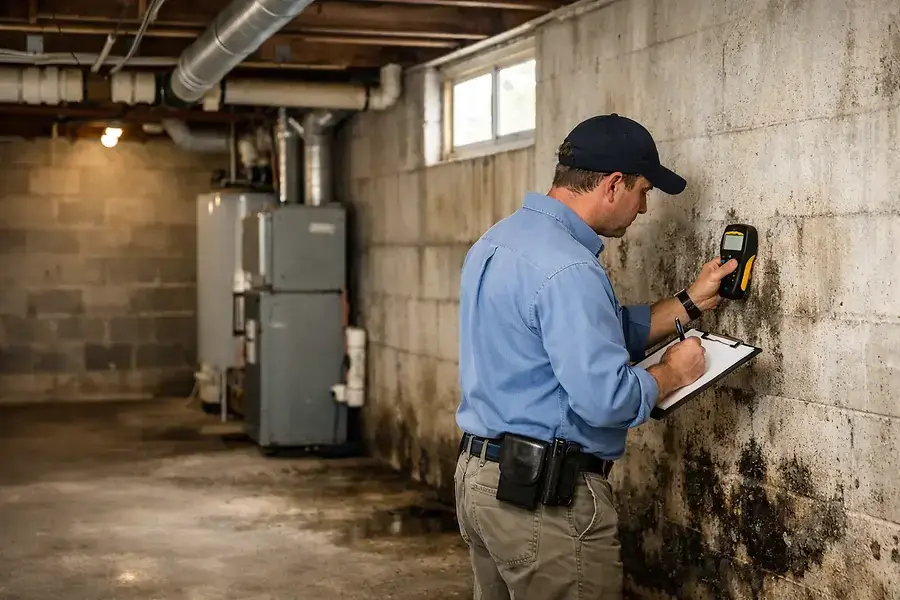
Understanding the Home Inspection Process in Chesapeake
A home inspection is one of the most critical steps in any real estate transaction. Whether you're buying or selling in Chesapeake, understanding this process can save you thousands of dollars and prevent future headaches. A professional home inspector will conduct a thorough examination of the property's structural components, systems, and overall condition.
What Does a Home Inspector Examine?
During a typical home inspection in Chesapeake, inspectors evaluate:
- Structural integrity – Foundation, walls, roof, and framing
- Roofing systems – Age, condition, and potential leaks
- Plumbing – Water pressure, drainage, and pipe conditions
- Electrical systems – Wiring, panels, and safety compliance
- HVAC systems – Heating, cooling, and ventilation efficiency
- Insulation and ventilation – Energy efficiency and moisture control
- Interior and exterior conditions – Windows, doors, siding, and landscaping
The inspection typically takes 2-4 hours depending on the property's size and complexity. Buyers are encouraged to attend the inspection to ask questions and gain firsthand knowledge of the home's condition.
Choosing the Right Inspector
Selecting a qualified inspector is paramount. Look for inspectors who are licensed and certified in Maryland, carry adequate insurance, and have extensive experience with Chesapeake properties. Ask for references and verify their credentials before hiring.
Common Issues Found in Chesapeake Homes and How to Address Them
Chesapeake's unique climate and geography create specific challenges for homeowners. Understanding these common issues helps you prepare for potential repairs.
Water Damage and Moisture Issues
The proximity to the Chesapeake Bay means many homes face humidity and moisture-related problems. Basement flooding, crawl space moisture, and roof leaks are frequent concerns. Address these issues immediately by installing proper drainage systems, sump pumps, and ensuring gutters are clean and functional.
Foundation Problems
Shifting soil and seasonal water fluctuations can cause foundation cracks and settling. Minor cracks may be cosmetic, but horizontal cracks or significant settling require professional evaluation and potential structural repairs. This is a critical area to investigate thoroughly during inspection.
Roof Age and Deterioration
Chesapeake's weather patterns accelerate roof wear. Most asphalt shingle roofs last 15-20 years. If your inspection reveals a roof nearing the end of its lifespan, budget for replacement soon. Missing shingles, granule loss, and sagging are red flags requiring immediate attention.
HVAC System Concerns
Older heating and cooling systems are common in established Chesapeake neighborhoods. Inspectors will assess efficiency and remaining lifespan. Regular maintenance can extend system life, but aging units may need replacement within a few years of purchase.
Red Flags to Watch For and Negotiation Strategies
Critical Red Flags
Certain inspection findings warrant serious concern:
- Structural damage – Cracks in foundation, bowing walls, or sagging floors
- Mold growth – Indicates moisture problems and potential health hazards
- Outdated electrical systems – Aluminum wiring or insufficient capacity for modern needs
- Plumbing issues – Corroded pipes, low water pressure, or sewage problems
- Pest infestation – Evidence of termites, rodents, or other destructive pests
- Asbestos or lead paint – Health hazards requiring professional remediation
Negotiation Strategies for Buyers
Armed with inspection findings, buyers have several options:
- Request repairs – Ask the seller to fix critical issues before closing
- Negotiate price reduction – Reduce the offer to account for repair costs
- Request escrow – Hold funds to cover repairs after closing
- Walk away – If issues are too severe, terminate the contract during the inspection period
The key is prioritizing major structural and system issues over cosmetic concerns. Focus negotiations on items that affect safety, functionality, and long-term value.
Strategies for Sellers
Sellers benefit from conducting a pre-listing inspection. This allows you to address issues proactively, increasing buyer confidence and reducing negotiation friction. Transparency about known issues builds trust and often results in smoother transactions.
Conclusion: Making Informed Decisions with Inspection Reports
A comprehensive home inspection is your best defense against costly surprises in Chesapeake's real estate market. Whether buying or selling, the inspection report provides objective data to guide your decisions.
For buyers: Use the inspection as a negotiation tool and a roadmap for future maintenance. Don't let minor issues derail a good purchase, but take major findings seriously.
For sellers: Proactive inspections and transparent disclosure build buyer confidence and facilitate smoother sales.
By understanding the inspection process, recognizing common Chesapeake issues, and knowing how to respond to findings, you'll navigate your real estate transaction with confidence and protect your investment for years to come. Remember, the cost of a thorough inspection is minimal compared to the potential savings it provides.