The Essential Home Inspection Guide for Essex CT Home Buyers
Master the critical inspection process to protect your investment and avoid costly surprises when purchasing a home in Essex.

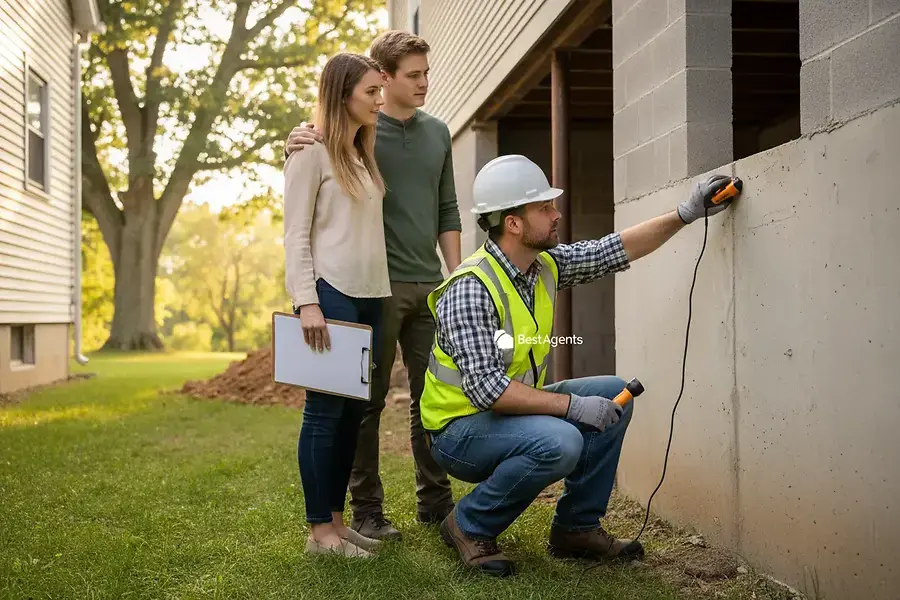
Why Professional Home Inspections Matter in Essex
Purchasing a home is one of the most significant financial decisions you'll make in your lifetime. In Essex, Connecticut, where properties range from historic colonial homes to modern residences, a professional home inspection is not just recommended—it's essential. A thorough inspection provides you with a detailed understanding of your potential property's condition before you commit to the purchase.
Many first-time homebuyers underestimate the importance of inspections, viewing them as an unnecessary expense. However, the average home inspection costs between $300 and $500, while a single major repair—such as roof replacement or foundation work—can cost tens of thousands of dollars. An inspection is your opportunity to identify problems early and negotiate repairs or price adjustments with the seller.
Professional inspectors bring years of experience and specialized knowledge to evaluate your potential home. They use advanced tools and techniques to uncover issues that untrained eyes might miss, protecting your investment and giving you peace of mind.
Critical Areas to Evaluate: Foundation, Systems, and Structural Integrity
Foundation and Structural Components
The foundation is the literal and financial foundation of your home. Inspectors carefully examine the foundation for cracks, settling, water damage, and signs of structural movement. Foundation issues are among the most expensive repairs, making this evaluation critical.
- Look for horizontal or diagonal cracks in the foundation walls
- Check for water stains, efflorescence (white mineral deposits), or moisture
- Assess the condition of basement walls and floors
- Evaluate the grading around the foundation to ensure proper water drainage
Roofing and Exterior Systems
Your roof protects everything beneath it. Inspectors evaluate the roof's age, material condition, and remaining lifespan. They also examine gutters, downspouts, siding, windows, and doors for damage or deterioration.
- Inspect for missing, cracked, or curling shingles
- Check flashing around chimneys and vents
- Evaluate gutter condition and proper water drainage
- Assess exterior siding for rot, damage, or paint failure
Electrical, Plumbing, and HVAC Systems
These three systems are vital to your home's functionality and safety. A qualified inspector will test electrical outlets, examine the main electrical panel, check water pressure and drainage, and evaluate heating and cooling systems.
- Verify proper grounding and circuit breaker operation
- Check for outdated wiring or potential fire hazards
- Test water pressure and inspect for leaks
- Evaluate furnace, air conditioning, and water heater condition
- Assess ductwork and ventilation systems
Interior Components and Safety Features
Inspectors examine interior walls, ceilings, floors, and insulation. They also verify that safety features like smoke detectors and carbon monoxide detectors are present and functional. In older Essex homes, inspectors pay special attention to potential asbestos, lead paint, or mold issues.
Red Flags and How to Interpret Inspection Reports
Understanding the Report Format
Home inspection reports typically categorize findings into three levels: major issues, minor issues, and maintenance recommendations. Understanding this hierarchy helps you prioritize concerns and budget for necessary repairs.
A comprehensive inspection report should be detailed, easy to understand, and include photographs of significant findings. Don't hesitate to ask your inspector to explain any findings you don't understand.
Major Red Flags to Watch For
Certain findings warrant serious consideration and may affect your purchase decision:
- Foundation damage: Cracks, settling, or water intrusion requiring professional repair
- Roof problems: Age beyond expected lifespan, missing shingles, or structural damage
- Electrical hazards: Outdated panels, improper grounding, or fire risks
- Plumbing issues: Galvanized pipes, active leaks, or sewage system problems
- Mold or water damage: Signs of moisture intrusion or active mold growth
- HVAC system failure: Non-functional heating or cooling systems nearing end of life
Minor Issues and Maintenance Items
Not every finding is a deal-breaker. Minor issues like caulking gaps, paint touch-ups, or routine maintenance recommendations are normal in any home. These items typically cost less to address and can often be negotiated with the seller.
Negotiating Based on Inspection Results
Once you receive the inspection report, you have several options. You can request that the seller make repairs before closing, ask for a price reduction to cover repairs yourself, or request credits toward closing costs. In Essex's competitive real estate market, understanding how to leverage inspection findings can save you thousands of dollars.
Making Informed Decisions with Inspection Data
A professional home inspection is your safeguard in the home-buying process. Armed with detailed information about your potential property's condition, you can make confident, informed decisions about your investment.
Remember these key takeaways:
- Always hire a certified, experienced home inspector
- Attend the inspection if possible to ask questions and see findings firsthand
- Review the report carefully and ask for clarification on any unclear items
- Prioritize major structural and system issues over cosmetic concerns
- Use inspection results as a negotiating tool with the seller
- Budget for recommended maintenance and repairs in your financial planning
Purchasing a home in Essex is an exciting milestone. By understanding the inspection process and what to look for, you're taking an important step to protect your investment and ensure your new home is safe, sound, and ready for your family. Don't let the inspection process intimidate you—it's designed to work in your favor and provide you with the confidence you need to move forward with your purchase.


