The Essential Home Inspection Guide for Glen Cove Buyers
Learn what professional inspectors evaluate and how to use their findings to make confident purchasing decisions.

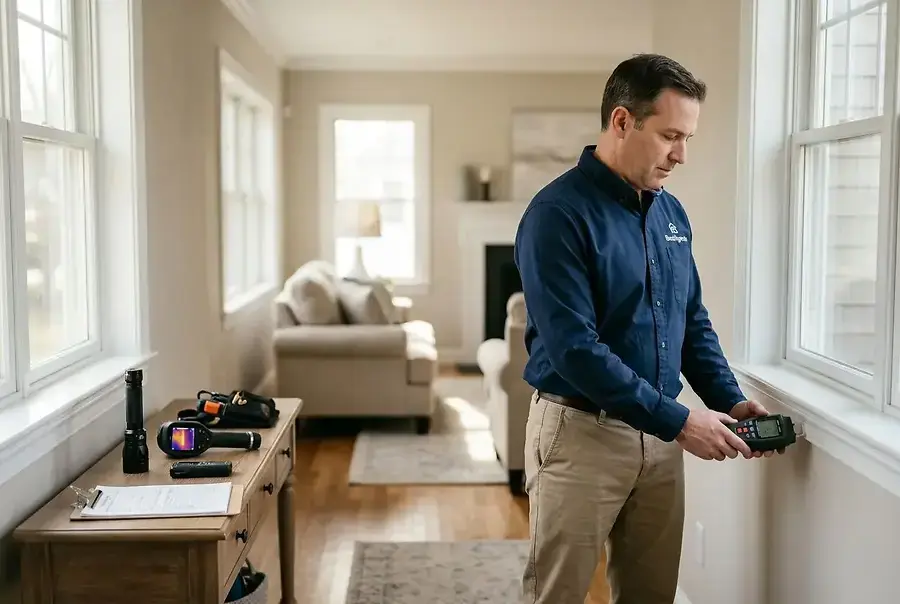
Understanding the Home Inspection Process and Timeline
A professional home inspection is one of the most critical steps in the home-buying process. This thorough evaluation typically takes 2-4 hours and involves a certified inspector examining the property's structural integrity, mechanical systems, and overall condition. In Glen Cove, where properties range from historic homes to modern constructions, understanding what this process entails can help you make informed decisions.
The inspection generally occurs after your offer is accepted but before the final closing. Most purchase agreements include a contingency period—typically 7-10 days—allowing you to review the inspection report and decide whether to proceed, renegotiate, or walk away from the deal.
What Inspectors Evaluate
Professional inspectors assess multiple systems and components:
- Structural elements: Foundation, walls, roof, and framing
- Roofing: Age, condition, and remaining lifespan
- Plumbing systems: Water pressure, drainage, and pipe condition
- Electrical systems: Panel condition, wiring, and safety compliance
- HVAC systems: Heating, cooling, and ventilation functionality
- Insulation and ventilation: Energy efficiency and moisture control
- Interior and exterior: Windows, doors, siding, and landscaping
Common Issues Found in Glen Cove Properties
Glen Cove's coastal location and varied architectural styles mean certain issues appear more frequently than others. Being aware of these common problems helps you evaluate inspection reports more effectively.
Water Damage and Moisture Issues
The proximity to Long Island Sound makes moisture-related problems prevalent in Glen Cove homes. Inspectors frequently discover water intrusion in basements, crawl spaces, and attics. Look for signs of past or present water damage, including staining, mold growth, and deteriorated wood. These issues can be expensive to remediate and may indicate deeper structural concerns.
Aging Roofs and Gutters
Many Glen Cove properties feature roofs that are approaching or exceeding their expected lifespan. A roof typically lasts 20-25 years, and replacement costs can range from $8,000 to $15,000 or more. Inspectors will note the roof's age, condition, and any missing or damaged shingles. Gutter systems also require attention, as clogged or damaged gutters contribute to water damage.
Outdated Electrical Systems
Older homes in Glen Cove may have outdated electrical panels or insufficient capacity for modern appliances and devices. Some properties still use aluminum wiring, which poses fire hazards. Upgrading electrical systems can be costly, so this finding significantly impacts your negotiating position.
HVAC System Age
Heating and cooling systems typically last 15-20 years. Inspectors will evaluate whether your system is functioning properly and estimate its remaining lifespan. Replacing an HVAC system costs $5,000-$10,000, making this an important consideration in your decision-making process.
Questions to Ask Your Inspector and Red Flags to Watch For
Essential Questions to Ask
Don't hesitate to ask your inspector detailed questions about their findings:
- "What is the estimated lifespan of major systems like the roof and HVAC?"
- "Are there any safety concerns I should address immediately?"
- "What repairs are cosmetic versus structural?"
- "Do you recommend any specialized inspections?"
- "What maintenance should I perform regularly?"
Critical Red Flags
Certain findings warrant serious consideration:
- Foundation cracks: Horizontal cracks or signs of settling indicate structural problems
- Mold presence: Extensive mold growth suggests moisture issues and potential health hazards
- Pest infestations: Evidence of termites, rodents, or other pests requires professional treatment
- Outdated electrical panels: Panels like Federal Pacific or Zinsco are known fire hazards
- Asbestos or lead paint: These hazardous materials require professional remediation
- Inadequate ventilation: Poor attic or crawl space ventilation leads to moisture and mold problems
Pro Tip: Request that your inspector provide a detailed written report with photographs. This documentation is invaluable for negotiations and future reference.
Using Inspection Results to Negotiate and Protect Your Investment
Analyzing the Report
Once you receive the inspection report, review it carefully and categorize findings by severity. Separate critical issues from minor concerns. Critical issues—such as foundation problems or major system failures—directly impact the property's value and safety. Minor issues might include cosmetic damage or routine maintenance needs.
Negotiation Strategies
Armed with inspection findings, you have several negotiation options:
- Request repairs: Ask the seller to fix critical issues before closing
- Request credits: Negotiate a price reduction to cover repair costs yourself
- Request inspections: Ask for specialized evaluations (pest, mold, structural) for significant concerns
- Walk away: If issues are too extensive, you may choose to terminate the purchase
Be strategic in your negotiations. Prioritize critical safety and structural issues over cosmetic concerns. Sellers are more likely to accept requests for major repairs than minor cosmetic fixes.
Protecting Your Long-Term Investment
Beyond negotiation, use inspection findings to plan your maintenance and improvement strategy. Create a prioritized list of repairs and upgrades based on the inspector's recommendations and your budget. Address safety issues immediately, then tackle system replacements as needed.
Keep the inspection report for your records. This documentation proves invaluable for future insurance claims, warranty work, and when you eventually sell the property. It also helps you understand your home's condition and plan preventive maintenance.
Consider obtaining a home warranty that covers major systems and appliances. This added protection provides peace of mind during your first years of ownership and can offset unexpected repair costs.
Moving Forward with Confidence
A thorough home inspection empowers you to make informed decisions about your Glen Cove property purchase. By understanding what inspectors evaluate, recognizing common issues, asking the right questions, and strategically using inspection results, you protect your investment and ensure a smoother transition into homeownership. Remember, the inspection is not meant to be a deal-breaker—it's a tool to help you understand exactly what you're buying and plan accordingly.


