The Essential Home Inspection Guide for Kansas and Missouri Homebuyers
Master the critical inspection points that protect your investment in the Midwest real estate market.

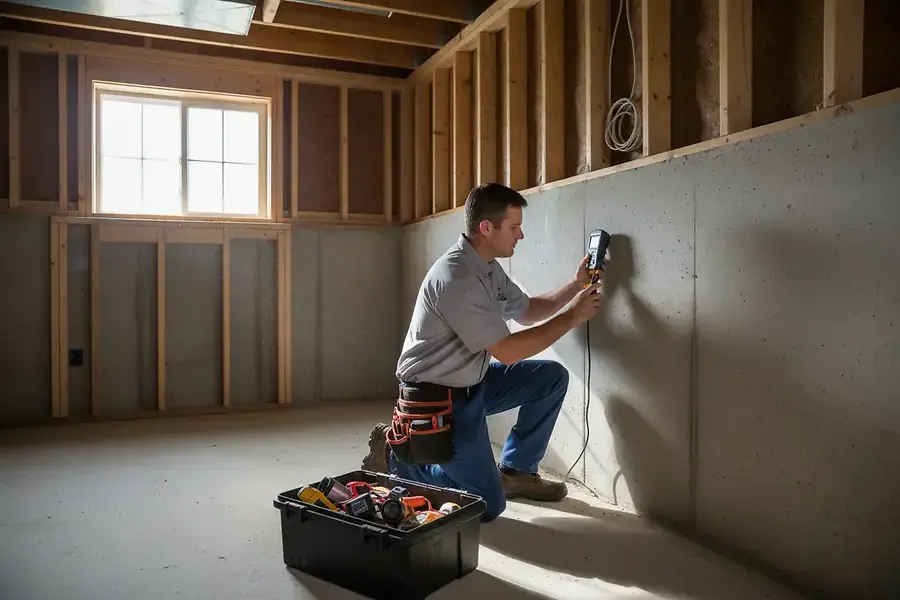
Introduction: Why Home Inspections Matter in Kansas and Missouri
Purchasing a home is one of the most significant financial decisions you'll make in your lifetime. In Kansas and Missouri, where weather patterns range from severe thunderstorms to harsh winters, a thorough home inspection becomes absolutely critical. A professional home inspection can reveal hidden problems that could cost thousands of dollars to repair after closing, making it an essential step in protecting your investment.
Many homebuyers underestimate the importance of a comprehensive inspection, viewing it as just another checkbox in the buying process. However, the Midwest climate presents unique challenges that can compromise a home's structural integrity and systems. By understanding what inspectors look for and what you should prioritize, you can make informed decisions before signing on the dotted line.
Critical Structural and Foundation Issues to Watch For
Foundation Problems and Settling
The foundation is your home's most critical component, and in Kansas and Missouri, soil composition and moisture levels can create significant challenges. Look for these warning signs:
- Cracks in the foundation – Small hairline cracks are normal, but larger cracks or those that are widening indicate serious problems
- Uneven or sloping floors – This suggests foundation settling or shifting
- Water intrusion or dampness – Moisture in basements is common but requires proper remediation
- Bowing or leaning walls – These are red flags requiring immediate professional evaluation
Basement and Crawl Space Conditions
Many Midwest homes feature basements or crawl spaces that are vulnerable to moisture problems. During your inspection, ensure the inspector thoroughly examines these areas for signs of water damage, mold growth, and proper drainage systems. Proper grading around the foundation is essential to direct water away from your home.
HVAC, Plumbing, and Electrical Systems Assessment
Heating and Cooling Systems
Given the extreme temperature variations in Kansas and Missouri, a properly functioning HVAC system is non-negotiable. Your inspector should evaluate:
- Age and condition of the furnace and air conditioning unit
- Proper airflow and ductwork integrity
- Thermostat functionality and calibration
- Regular maintenance records and service history
Replacing an HVAC system can easily cost $5,000 to $10,000 or more, so understanding the current system's condition is crucial for budgeting.
Plumbing System Evaluation
Water damage is one of the most costly issues homeowners face. Your inspector should check for:
- Pipe material and age – Older galvanized pipes may need replacement
- Water pressure and flow rates
- Signs of leaks or water stains
- Proper drainage and sump pump functionality
- Water heater condition and capacity
Electrical System Safety
Electrical issues pose serious safety risks and should never be overlooked. Inspectors will examine the main panel, wiring, outlets, and grounding systems. Outdated electrical systems or aluminum wiring may require upgrades to meet current safety standards and insurance requirements.
Roof Condition, Moisture Damage, and Pest Concerns
Roof Inspection and Weather Resistance
Your roof is your home's first line of defense against the Midwest's unpredictable weather. The inspector should assess:
- Shingle condition, age, and remaining lifespan
- Proper ventilation and attic conditions
- Flashing around chimneys, vents, and skylights
- Signs of leaks or water damage in the attic
- Gutter and downspout functionality
A roof replacement can cost $8,000 to $15,000 or more, making this assessment particularly important for your financial planning.
Moisture and Mold Assessment
The humid summers and wet springs in Kansas and Missouri create ideal conditions for moisture problems and mold growth. Inspectors should look for:
- Visible mold or mildew in bathrooms, basements, and crawl spaces
- Musty odors indicating hidden moisture
- Proper ventilation in bathrooms and kitchens
- Condensation on windows or pipes
Addressing moisture issues early prevents expensive mold remediation and health concerns down the road.
Pest and Termite Inspection
Termites and other wood-destroying insects are a serious concern in the Midwest. Your inspector should examine:
- Wood framing for signs of termite damage or carpenter ant activity
- Proper soil-to-wood barriers and foundation ventilation
- Evidence of rodent or insect infestation
- Recommendations for pest control treatment if needed
Conclusion: Making Informed Decisions Before Closing
A comprehensive home inspection is your opportunity to uncover potential problems before they become your responsibility. In Kansas and Missouri, where weather extremes and soil conditions present unique challenges, thorough inspection is not optional—it's essential.
Work with a qualified, licensed home inspector who understands the regional issues affecting Midwest properties. Don't hesitate to ask questions about any findings, and consider hiring specialists for specific concerns like mold, termites, or electrical systems. The investment in a thorough inspection now can save you tens of thousands of dollars in unexpected repairs later.
Remember, the inspection period is your chance to negotiate repairs, request credits, or even walk away from a deal if serious issues are discovered. By mastering these critical inspection points, you're taking control of your home-buying experience and protecting your most valuable investment.


