The Essential Home Inspection Guide for Residential Buyers and Sellers
Everything homebuyers need to know before closing on their purchase.

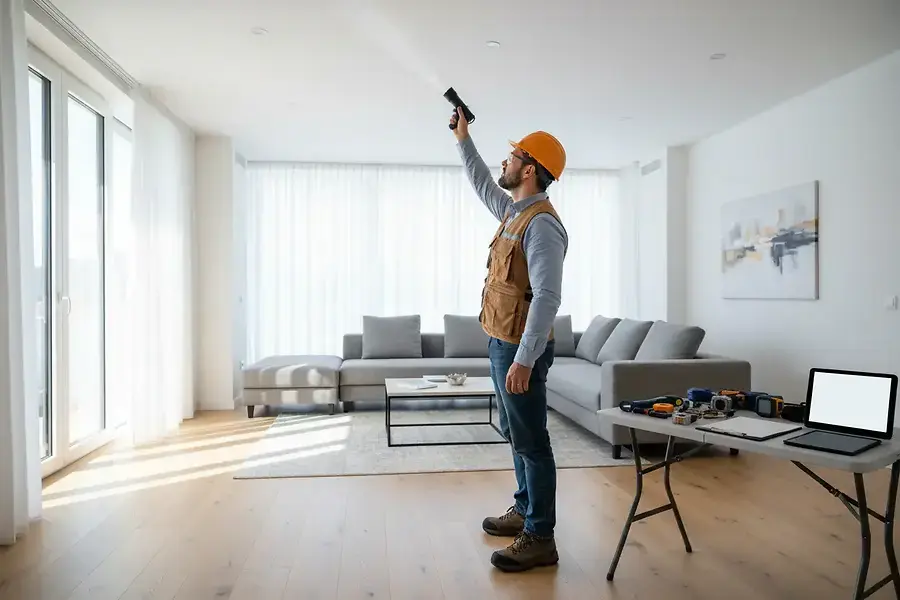
Introduction: Why Professional Home Inspections Matter for Residential Buyers
Purchasing a home is one of the most significant financial decisions you'll ever make. Before signing on the dotted line, a professional home inspection is your best defense against costly surprises and hidden defects. A thorough inspection provides an objective assessment of the property's condition, helping you make an informed decision and potentially saving thousands of dollars in unexpected repairs.
Home inspections serve as a critical safeguard in the real estate transaction process. They give buyers the knowledge they need to negotiate repairs, request credits, or walk away from a problematic property. For sellers, a pre-listing inspection can identify issues early and help establish fair market pricing.
What Home Inspectors Evaluate: Key Systems and Structural Components
Structural Integrity and Foundation
Home inspectors begin by examining the foundation and overall structural integrity of the property. They look for cracks, settling, water damage, and signs of foundation movement. A solid foundation is essential—problems here can be extremely expensive to repair and may indicate deeper issues with the entire structure.
Roofing and Exterior
The roof is your home's first line of defense against the elements. Inspectors assess:
- Roof age and remaining lifespan
- Missing or damaged shingles
- Flashing and gutter conditions
- Signs of leaks or water damage
- Exterior walls, siding, and paint condition
Plumbing Systems
A comprehensive plumbing inspection checks water pressure, drainage, and the condition of pipes throughout the home. Inspectors test fixtures, look for leaks, and assess the water heater's age and functionality. Outdated plumbing or galvanized pipes can be a significant concern, as they may require replacement within a few years.
Electrical Systems
Electrical safety is paramount. Inspectors examine the panel, wiring, outlets, and switches to ensure everything meets current safety codes. They look for outdated systems, improper grounding, and potential fire hazards. Aluminum wiring, for example, is a known fire risk and should be flagged immediately.
HVAC Systems
Heating, ventilation, and air conditioning systems are evaluated for age, maintenance history, and proper operation. Inspectors check furnaces, air conditioners, ductwork, and thermostats. Understanding the age and condition of these systems helps you budget for future replacements.
Interior Components
Inspectors also evaluate:
- Windows and doors
- Insulation and ventilation
- Flooring and walls
- Appliances (if included in the sale)
- Attic and basement conditions
Red Flags to Watch For and How to Interpret Inspection Reports
Major Red Flags
Structural problems are the most serious concerns. Foundation cracks, sagging roofs, or evidence of water intrusion can indicate expensive repairs ahead. Electrical hazards like outdated panels or improper wiring pose safety risks and may require immediate attention.
Watch for signs of pest infestations or mold, which can affect both the home's value and your family's health. Roof damage requiring imminent replacement is another significant expense to consider.
Understanding Your Inspection Report
Home inspection reports typically categorize findings into three levels:
- Safety Issues: Problems that pose immediate danger and require urgent attention
- Major Repairs: Significant defects that will need addressing within a few years
- Minor Issues: Small concerns that don't require immediate action but should be monitored
Don't panic if your report lists minor issues—most homes have them. Focus on the major concerns and safety hazards. Ask your inspector to clarify anything you don't understand, and request specific recommendations for repairs or further evaluation by specialists.
When to Request Further Inspections
If the general inspection reveals potential problems, consider hiring specialists:
- Pest inspectors for termite or other infestations
- Mold specialists if moisture issues are suspected
- Structural engineers for foundation concerns
- Electricians or plumbers for system-specific issues
Conclusion: Using Inspection Findings to Negotiate and Protect Your Investment
A home inspection report is a powerful negotiating tool. Armed with detailed findings, you can:
- Request the seller make repairs before closing
- Ask for credits to cover repair costs yourself
- Renegotiate the purchase price based on needed repairs
- Walk away from the deal if issues are too severe
Remember, inspection contingencies are your safety net. Most purchase agreements include a period for inspections and the opportunity to renegotiate or withdraw based on findings. Use this time wisely.
Whether you're a first-time homebuyer or an experienced investor, a professional home inspection is non-negotiable. It provides peace of mind, protects your financial investment, and ensures you're making an informed decision about one of life's biggest purchases. Don't skip this crucial step—your future self will thank you.


