The Essential Home Inspection Guide for Trumbull, CT Homebuyers
Learn what professional inspectors look for and how to protect your investment before closing on a Trumbull property.

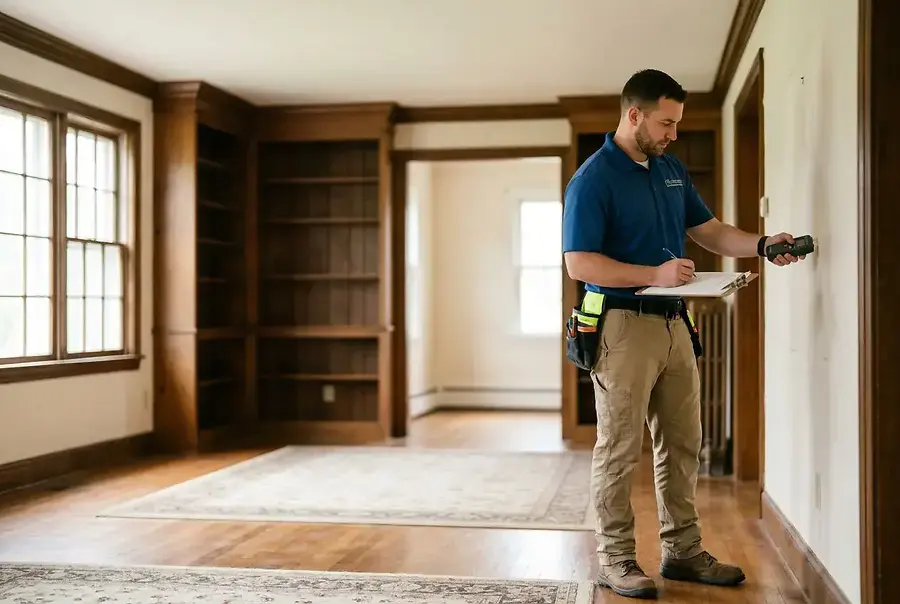
What to Expect During a Professional Home Inspection
A professional home inspection is one of the most important steps in the homebuying process. When you're purchasing a property in Trumbull, CT, understanding what happens during this inspection can help you feel more prepared and confident about your investment.
During a typical home inspection, a certified inspector will spend two to four hours thoroughly examining your potential new home. They'll evaluate the property's structural integrity, mechanical systems, and overall condition. The inspector will provide you with a detailed written report documenting their findings, which you can use to negotiate repairs or credits with the seller.
Most inspectors will allow you to accompany them throughout the process. This is an excellent opportunity to ask questions and learn more about the property's condition firsthand. Don't hesitate to take notes or ask the inspector to explain anything you don't understand.
The Inspection Timeline
The inspection typically begins with an exterior evaluation, including the roof, foundation, siding, and landscaping. The inspector then moves indoors to examine:
- Electrical systems and panel
- Plumbing and water pressure
- HVAC systems and furnace
- Insulation and ventilation
- Windows, doors, and weatherproofing
- Interior walls, ceilings, and floors
Critical Areas Inspectors Examine in Older Trumbull Homes
Trumbull is home to many beautiful older properties with character and charm. However, older homes often require special attention during inspections. Understanding what inspectors focus on in these properties can help you anticipate potential issues.
Foundation and Structural Concerns
Older homes in Trumbull frequently have foundation issues due to age and settling. Inspectors will look for cracks, water damage, and signs of movement. They'll also examine the basement or crawl space for moisture problems, which are common in Connecticut's climate.
Roofing and Water Intrusion
The roof is one of the most expensive components to replace. Inspectors will assess the age, condition, and remaining lifespan of roofing materials. They'll also check for water stains on ceilings and walls, which indicate past or present leaks that could lead to serious structural damage.
Electrical Systems
Many older Trumbull homes still have outdated electrical systems. Inspectors will evaluate whether the home has adequate capacity for modern electrical demands. They'll check for outdated wiring, insufficient outlets, and potential fire hazards like aluminum wiring or double-tapped breakers.
Plumbing and Water Quality
Older homes may have galvanized pipes that are prone to corrosion and reduced water pressure. Inspectors will test water pressure, check for leaks, and assess the condition of pipes. They'll also examine the water heater's age and functionality.
Heating Systems
Connecticut winters are cold, making heating systems critical. Inspectors will evaluate furnaces, boilers, and heating efficiency. An aging heating system may need replacement soon, which is an important factor in your purchase decision.
Red Flags That May Affect Your Offer or Negotiations
Certain inspection findings are serious enough to impact your purchase decision or negotiation strategy. Knowing what constitutes a major red flag can protect your investment.
Structural Issues
Foundation cracks, sagging floors, or bowing walls indicate serious structural problems. These repairs are expensive and complex. If an inspector identifies structural issues, you may want to hire a structural engineer for a second opinion before proceeding.
Mold and Water Damage
Mold growth and extensive water damage are major concerns. Not only are they expensive to remediate, but they can also pose health risks. Any signs of active mold or water intrusion should be thoroughly investigated.
Roof Condition
If the roof is nearing the end of its lifespan or shows significant damage, replacement costs can range from $10,000 to $25,000 or more. This is a negotiation point you can use to request credits or repairs from the seller.
Electrical and Plumbing Deficiencies
Outdated electrical systems that don't meet current codes, or plumbing systems with significant corrosion, require expensive upgrades. These issues should be factored into your offer or used as negotiation leverage.
HVAC System Failure
A furnace or air conditioning system that's failing or near the end of its life is a significant expense. Request that the seller repair or replace these systems before closing, or negotiate a credit.
Using Inspection Results to Make Confident Purchase Decisions
Once you receive your inspection report, take time to review it carefully. Not every finding requires immediate action, and understanding the severity of issues is crucial.
Prioritize the Findings
Categorize inspection items into three groups: critical issues that must be addressed, important items that should be negotiated, and minor concerns that can be addressed later. This helps you focus on what truly matters for your investment.
Request Repairs or Credits
Use your inspection report as a negotiation tool. You can request that the seller make repairs before closing, provide credits for repairs you'll handle yourself, or reduce the purchase price. Be reasonable in your requests—sellers are more likely to agree to fair negotiations.
Hire Specialists When Needed
If the general inspection reveals concerns in specific areas, consider hiring specialists. A structural engineer, electrician, or plumber can provide detailed assessments and cost estimates for repairs. This information strengthens your negotiating position.
Plan for Future Maintenance
Even if the inspection reveals no major issues, use the report to plan future maintenance. Understanding your home's systems and their condition helps you budget for upcoming repairs and replacements.
Remember: A home inspection is an investment in your peace of mind. It protects you from unexpected surprises and gives you the information needed to make a confident purchase decision about your Trumbull property.
By understanding what inspectors look for and how to interpret their findings, you're taking an important step toward protecting your investment. Whether you're buying your first home or your fifth, a thorough inspection is essential for making an informed decision in the Trumbull real estate market.


