The Essential Nashville Home Inspection Guide for Smart Buyers
Learn the critical inspection checklist that protects your investment and reveals hidden issues before closing day.

Understanding the Nashville Home Inspection Process
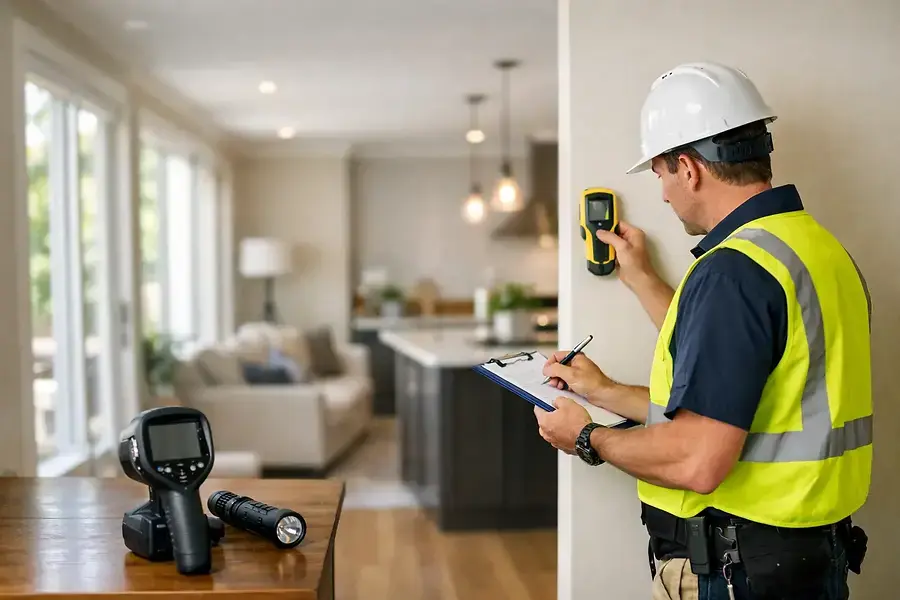
A home inspection is one of the most critical steps in the home-buying process, especially in Nashville's competitive real estate market. This comprehensive evaluation typically takes 2-4 hours and involves a licensed inspector examining the property's structural integrity, mechanical systems, and overall condition.
In Tennessee, home inspectors must be licensed and follow specific standards of practice. The inspection is a non-invasive examination that provides you with detailed information about the property's condition before you commit to the purchase. This is your opportunity to uncover potential issues that could cost thousands of dollars in repairs down the road.
What to Expect During the Inspection
Most Nashville home inspections follow a systematic approach, starting with the exterior and moving inward. The inspector will document findings in a detailed report that includes photographs, descriptions of issues, and recommendations for repairs or further evaluation. You have the right to be present during the inspection, and many experts recommend attending to ask questions and understand the property better.
Key Areas Inspectors Examine in Tennessee Homes
Roof and Exterior
Nashville's climate, with its humidity and occasional severe weather, can take a toll on roofing materials. Inspectors examine:
- Roof condition and remaining lifespan
- Gutters and downspouts
- Siding and exterior walls
- Windows and doors
- Foundation and grading
HVAC and Mechanical Systems
Tennessee's hot summers and cold winters mean your heating and cooling systems are essential. Inspectors evaluate:
- Air conditioning unit age and functionality
- Furnace or heating system condition
- Ductwork integrity
- Thermostat operation
Plumbing and Water Systems
Water-related issues are among the most expensive to repair. Inspectors check:
- Water pressure and flow
- Pipe materials and condition
- Drainage systems
- Water heater age and functionality
- Signs of leaks or water damage
Electrical Systems
Safety is paramount when evaluating electrical systems. Inspectors examine:
- Panel condition and capacity
- Outlet and switch functionality
- Grounding and bonding
- Presence of GFCI outlets in wet areas
Interior Structure and Condition
The inspector will also evaluate walls, ceilings, floors, insulation, and ventilation throughout the home, looking for signs of damage, settling, or moisture issues.
Red Flags and How to Respond to Inspection Reports
Common Issues in Nashville Homes
Certain problems appear frequently in the Nashville area due to climate and construction practices:
- Moisture and mold: High humidity can lead to moisture intrusion and mold growth
- Roof damage: Age and weather exposure often compromise roofing materials
- Foundation issues: Settling and cracks are common in older Nashville homes
- Outdated electrical systems: Older homes may have insufficient capacity for modern needs
Understanding Your Inspection Report
Inspection reports categorize findings by severity. Major issues require immediate attention and can affect the home's safety or value. Minor issues are typically cosmetic or involve items with remaining useful life. Understanding this distinction helps you prioritize concerns and negotiate effectively.
Negotiation Strategies
After receiving the inspection report, you have several options:
- Request repairs: Ask the seller to fix major issues before closing
- Request credits: Negotiate a price reduction to cover repair costs yourself
- Request re-inspection: Have specific items re-evaluated after repairs are completed
- Walk away: If issues are too severe, you can terminate the contract
"The inspection period is your chance to make an informed decision. Don't rush the process or ignore red flags."
Protecting Your Investment: Next Steps After Inspection
Prioritize and Plan
Not all inspection findings require immediate action. Create a prioritized list of repairs based on safety, functionality, and cost. Address safety issues first, followed by items that affect the home's structural integrity or major systems.
Get Multiple Quotes
For significant repairs identified in the inspection, obtain quotes from licensed contractors. This helps you understand true repair costs and make informed negotiation decisions with the seller.
Plan for Future Maintenance
Use the inspection report as a maintenance guide. Understanding your home's condition helps you budget for future repairs and maintain your investment properly. Many items noted in the inspection will eventually need attention—knowing their current status helps with planning.
Consider a Home Warranty
A home warranty can provide peace of mind by covering repair costs for major systems and appliances. This is particularly valuable if the inspection reveals aging systems that may fail soon.
Your home inspection is not just a formality—it's your most important tool for making a confident, informed purchase decision. By understanding the process, knowing what to look for, and responding strategically to findings, you protect your investment and ensure your Nashville home is a sound financial decision for years to come.


