The Essential Residential Buyer's Checklist for Home Purchases
Master the critical steps to evaluate any home before making your purchase decision.

Introduction: Why a Comprehensive Buyer's Checklist Matters
Purchasing a home is one of the most significant financial decisions you'll make in your lifetime. Whether you're a first-time buyer or an experienced investor, the stakes are incredibly high. A comprehensive buyer's checklist isn't just a helpful tool—it's your safeguard against costly surprises and hidden problems that could drain your finances for years to come.
Many buyers focus solely on aesthetics and location, overlooking critical structural and mechanical issues that can cost tens of thousands of dollars to repair. By following a systematic evaluation process, you can identify potential problems early, negotiate better terms, or walk away from a problematic property before signing on the dotted line.
This essential checklist will guide you through the most important aspects of any residential property, ensuring you have all the information needed to make a confident, informed purchase decision.
Structural and Foundation Assessment: What to Inspect First
The Foundation: Your Home's Critical Base
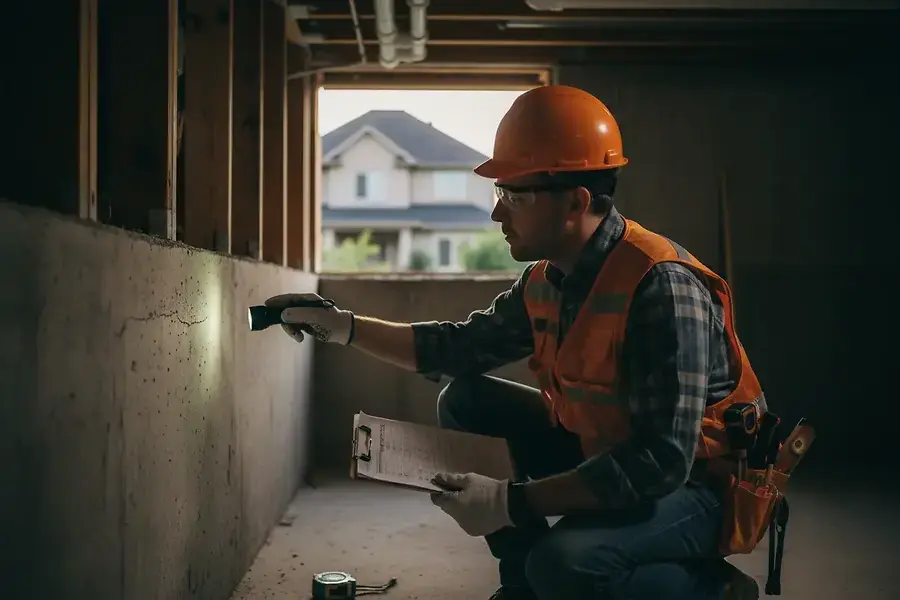
The foundation is literally the backbone of any home. Before anything else, you need to thoroughly evaluate the foundation for signs of damage, settling, or structural compromise. Look for:
- Cracks in the foundation – Small hairline cracks are often normal, but larger cracks or those that are widening indicate serious problems
- Water damage or moisture – Staining, efflorescence (white powder deposits), or dampness suggest water intrusion issues
- Uneven floors – Walk through the home and notice if floors slope or feel uneven, which can indicate foundation settling
- Gaps between walls and foundation – These gaps suggest the structure is shifting or settling unevenly
Always hire a professional structural engineer or home inspector to assess the foundation. This investment upfront can save you from purchasing a money pit.
Roof and Exterior Condition
The roof protects everything beneath it, making its condition absolutely critical. Inspect the roof for:
- Missing, cracked, or curling shingles
- Sagging areas or visible wear patterns
- Flashing issues around chimneys and vents
- Age of the roof – most roofs last 20-25 years
Pro tip: Ask the seller for documentation of any roof repairs or replacement. A newer roof can add significant value and peace of mind to your purchase.
Walls, Windows, and Doors
Examine the exterior walls for cracks, water damage, or signs of poor maintenance. Check that windows and doors operate smoothly, seal properly, and show no signs of rot or damage. These issues can lead to energy inefficiency and water intrusion problems.
Systems and Safety Features: Evaluating Electrical, Plumbing, and HVAC
Electrical System Safety
An outdated or faulty electrical system poses serious safety risks and can be expensive to upgrade. During your inspection, verify:
- Panel condition – The electrical panel should be properly labeled and in good working order
- Grounding and bonding – Proper grounding is essential for safety
- Outlet functionality – Test outlets throughout the home to ensure they work properly
- Presence of GFCI outlets – Ground Fault Circuit Interrupter outlets should be installed in bathrooms, kitchens, and near water sources
- Knob-and-tube wiring – This outdated wiring method is a major red flag and typically needs replacement
Hire a licensed electrician to perform a thorough evaluation. Electrical issues can be dangerous and costly to remediate.
Plumbing System Integrity
Water damage is one of the most common and expensive problems in homes. Evaluate the plumbing system by checking:
- Water pressure and flow – Test water pressure in multiple fixtures simultaneously
- Pipe material and condition – Older homes may have galvanized or polybutylene pipes that need replacement
- Signs of leaks – Look for water stains, mold, or musty odors indicating hidden leaks
- Drain functionality – Slow drains can indicate blockages or deteriorating pipes
- Water heater age and condition – Most water heaters last 10-15 years
Water damage is silent and expensive. A professional plumbing inspection can reveal issues invisible to the naked eye.
HVAC System Performance
Heating, ventilation, and air conditioning systems are essential for comfort and can be expensive to replace. Evaluate the HVAC system by:
- Testing both heating and cooling functions thoroughly
- Checking the age of the system – most units last 15-20 years
- Inspecting ductwork for leaks, damage, or poor insulation
- Verifying regular maintenance records
- Assessing the thermostat for proper operation
A professional HVAC technician can provide a detailed assessment and estimate replacement costs if needed. Budget for potential replacement, as this is a significant expense.
Safety Features and Compliance
Don't overlook critical safety features that protect your family:
- Smoke and carbon monoxide detectors – Ensure they're present and functional
- Fire extinguishers – Check for accessibility in the kitchen and garage
- Handrails and guardrails – Verify they meet safety codes, especially on stairs and decks
- Proper ventilation – Bathrooms and kitchens should have adequate exhaust systems
Conclusion: Protecting Your Investment with Proper Due Diligence
Purchasing a home without a thorough inspection is like buying a car without test-driving it. The checklist outlined above represents the essential foundation for any residential purchase evaluation. By systematically assessing the structural integrity, mechanical systems, and safety features of a property, you're taking control of one of the most important financial decisions of your life.
Remember these key takeaways:
- Always hire professional inspectors – their expertise can identify problems you might miss
- Don't skip any section of this checklist – every component matters
- Get everything in writing – inspection reports provide documentation for negotiations
- Budget for repairs – use inspection findings to negotiate better pricing or request seller repairs
- Trust your instincts – if something feels wrong, investigate further before proceeding
A comprehensive buyer's checklist transforms the home-buying process from a stressful gamble into a calculated, informed decision. By investing time and resources into proper due diligence now, you'll protect your investment, avoid costly surprises, and move into your new home with confidence and peace of mind.


