The Essential Residential Home Inspection Checklist for Buyers
Discover the critical inspection points every homebuyer must know before making their purchase decision.

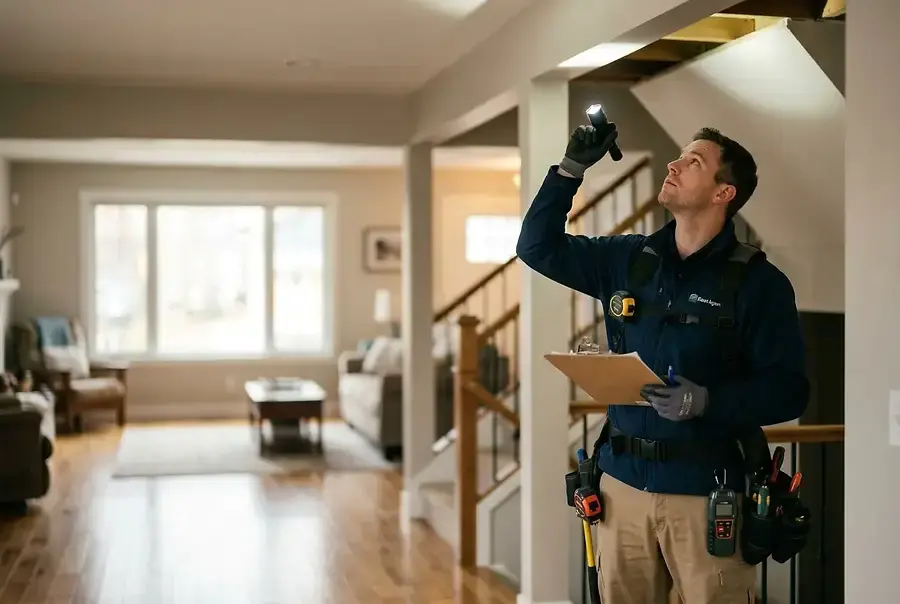
Why Home Inspections Matter for Residential Buyers
Purchasing a home is one of the most significant financial decisions you'll ever make. Before signing on the dotted line, a thorough home inspection is absolutely critical. A professional home inspection can reveal hidden problems that could cost thousands of dollars to repair, protect you from purchasing a property with serious defects, and provide you with valuable information to negotiate repairs or price adjustments with the seller.
Many first-time homebuyers underestimate the importance of a comprehensive inspection. What appears to be a beautiful property on the surface may have underlying issues that aren't immediately visible. By understanding what to look for during an inspection, you can make an informed decision and protect your investment for years to come.
Key Structural and Foundation Elements to Evaluate
Foundation Integrity
The foundation is the backbone of any home. During your inspection, look for:
- Cracks in the foundation – Small hairline cracks are normal, but larger cracks may indicate serious structural problems
- Water damage or moisture – Signs of water intrusion can lead to mold and structural deterioration
- Uneven settling – Doors and windows that don't close properly may indicate foundation movement
- Basement or crawl space conditions – Check for standing water, dampness, or signs of previous flooding
Walls and Structural Framing
Inspect the home's structural integrity by examining:
- Interior and exterior wall conditions for cracks or bowing
- Signs of pest damage, particularly termite infestations
- Proper support beams and load-bearing walls
- Evidence of previous repairs or modifications that may have compromised structural integrity
Roof and Attic Space
The roof is your home's first line of defense against the elements. Evaluate:
- Roof age and remaining lifespan
- Missing, damaged, or curling shingles
- Proper ventilation and insulation in the attic
- Signs of leaks or water damage on attic framing
- Flashing around chimneys and vents
Systems Assessment: Electrical, Plumbing, HVAC, and Roofing
Electrical System
A faulty electrical system poses serious safety risks. Your inspector should verify:
- The age and condition of the electrical panel
- Proper grounding and bonding throughout the home
- Adequate circuit capacity for modern appliances
- GFCI outlets in bathrooms, kitchens, and outdoor areas
- No outdated knob-and-tube wiring or aluminum wiring
- Proper installation of all outlets and switches
Plumbing System
Water-related issues can be extremely costly. Inspect the plumbing for:
- Water pressure and flow rates – Test all fixtures to ensure adequate water pressure
- Pipe material and age – Older galvanized pipes may need replacement
- Signs of leaks under sinks, around toilets, and in the basement
- Proper drainage and no signs of backups
- Water heater age, condition, and capacity
- Septic system condition if applicable
HVAC System
Heating, ventilation, and air conditioning systems are essential for comfort and indoor air quality:
- Age and condition of furnace and air conditioning units
- Proper operation of thermostats and temperature control
- Ductwork integrity and proper insulation
- Regular maintenance records and filter replacement schedules
- Adequate ventilation throughout the home
Additional Systems to Evaluate
Don't overlook these important components:
- Windows and doors – Check for proper sealing, operation, and signs of water damage
- Insulation – Adequate insulation affects energy efficiency and comfort
- Exterior siding and trim – Look for rot, damage, or deterioration
- Gutters and downspouts – Ensure proper drainage away from the foundation
- Deck or porch structures – Check for rot, loose boards, and proper railings
Protecting Your Investment with Thorough Due Diligence
A comprehensive home inspection is your best defense against costly surprises after purchase. Don't skip this critical step in the buying process. Here are some final recommendations:
A professional home inspection typically costs between $300-$500 but can save you thousands in unexpected repairs and provide peace of mind with your purchase.
- Always hire a certified, licensed home inspector with experience in your area
- Attend the inspection in person to ask questions and understand findings
- Request a detailed written report with photographs of any issues found
- Use inspection findings to negotiate repairs or price reductions with the seller
- Consider specialized inspections for specific concerns (mold, radon, termites, etc.)
By following this essential home inspection checklist, you'll have the knowledge and confidence to make an informed purchasing decision. Remember, investing time and resources in a thorough inspection now can protect your financial investment and ensure you're purchasing a safe, sound home for you and your family. Don't let excitement about a property cloud your judgment – always prioritize due diligence before making one of life's biggest decisions.


