The Growing Demand for Mixed-Use Properties in Brownsburg and Avon
How residential-commercial properties are reshaping suburban Indianapolis real estate investment potential.

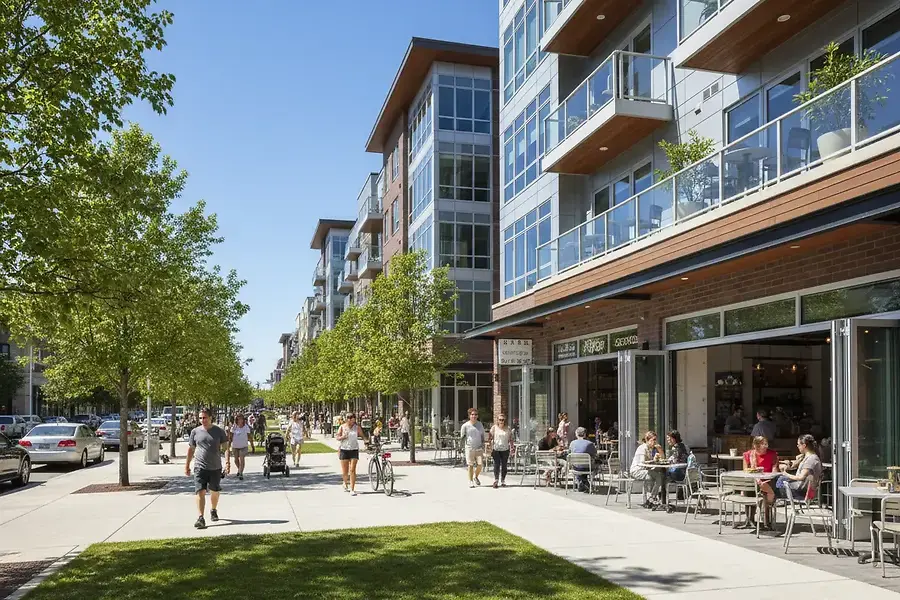
The Rise of Mixed-Use Properties in Indianapolis Suburbs
The suburban real estate market around Indianapolis is experiencing a significant transformation. Mixed-use properties—developments that combine residential, commercial, and sometimes office spaces under one roof or within a unified community—are becoming increasingly popular among investors and developers. This shift represents a fundamental change in how people want to live, work, and shop in suburban environments.
Traditionally, suburban development has followed a pattern of separation: residential neighborhoods in one area, shopping centers in another, and office parks elsewhere. However, the modern consumer and investor are demanding something different. The desire for walkable communities, reduced commute times, and convenient access to amenities has created a robust market for mixed-use properties that blend these elements seamlessly.
Brownsburg and Avon, two thriving communities in the Indianapolis metropolitan area, have emerged as prime locations for this type of development. These towns offer the perfect combination of growth potential, strategic location, and community support for mixed-use projects that are reshaping the suburban real estate landscape.
Why Brownsburg and Avon Are Attracting Mixed-Use Developers
Strategic Location and Accessibility
Both Brownsburg and Avon benefit from their proximity to major highways and Indianapolis's central business district. This strategic positioning makes them attractive for developers who want to serve both residential and commercial markets. The accessibility factor cannot be overstated—residents can easily access employment centers, while businesses can tap into a growing consumer base without the congestion and costs associated with downtown locations.
Population Growth and Economic Vitality
These communities have experienced steady population growth over recent years. Young families, professionals, and retirees are increasingly choosing to settle in Brownsburg and Avon, drawn by quality schools, safe neighborhoods, and a strong sense of community. This demographic expansion creates natural demand for the services and amenities that mixed-use properties provide.
The economic vitality of these areas is evident in their business development initiatives and community investment. Local governments have shown strong support for mixed-use zoning and development, recognizing that these projects bring tax revenue, jobs, and enhanced quality of life to their communities.
Available Land and Development Opportunities
Unlike more established urban areas, Brownsburg and Avon still have available land suitable for large-scale development projects. This availability, combined with reasonable land costs compared to urban centers, makes these communities attractive for developers looking to create comprehensive mixed-use communities. The space allows for thoughtful planning and design that incorporates green spaces, parking, and pedestrian-friendly infrastructure.
Investment Potential: Residential-Commercial Hybrid Properties Explained
Understanding the Mixed-Use Model
Mixed-use properties typically feature residential units—whether apartments, condominiums, or townhomes—combined with ground-floor retail, restaurants, offices, or entertainment venues. Some developments also include hotels, fitness centers, or cultural spaces. This diversity of uses creates multiple revenue streams and appeals to a broader range of tenants and customers.
Revenue Diversification Benefits
One of the primary advantages of mixed-use properties is revenue diversification. Rather than relying solely on residential rental income or commercial lease rates, these properties generate income from multiple sources. A property might have:
- Residential units providing stable, long-term rental income
- Retail spaces attracting established brands and local businesses
- Office spaces serving small businesses and professional services
- Parking facilities generating additional revenue
- Common areas available for events and private functions
This diversification reduces risk and provides more stable returns compared to single-use properties, which are vulnerable to market fluctuations in one sector.
Lifestyle Appeal and Tenant Retention
Mixed-use properties offer residents and workers a lifestyle benefit that traditional developments cannot match. Imagine living in an apartment where you can walk downstairs to grab coffee, visit a fitness center, shop at local retailers, or dine at restaurants—all without getting in your car. This convenience factor significantly enhances tenant satisfaction and retention rates.
For commercial tenants, the built-in customer base of residential units provides immediate foot traffic and potential customers. A restaurant or retail shop in a mixed-use property benefits from the constant flow of residents and workers, reducing the marketing burden and increasing sales potential.
Long-Term Appreciation and Market Resilience
Mixed-use properties in growing communities like Brownsburg and Avon are positioned for strong long-term appreciation. As these areas continue to develop and attract new residents and businesses, the value of well-located mixed-use properties tends to increase. Additionally, the diversified nature of these properties makes them more resilient during economic downturns, as different sectors may perform differently depending on market conditions.
Investor Considerations
Investors considering mixed-use properties should evaluate several factors:
- Market demand: Research the local market to understand demand for both residential and commercial space
- Location quality: Proximity to transportation, employment centers, and amenities matters significantly
- Property management: Mixed-use properties require sophisticated management to handle diverse tenant needs
- Financing: Lenders may have specific requirements for mixed-use properties, so pre-approval is essential
- Zoning and regulations: Ensure the property complies with local zoning laws and development regulations
Conclusion: Positioning Yourself as a Mixed-Use Real Estate Expert
The growing demand for mixed-use properties in Brownsburg and Avon represents a significant opportunity for real estate professionals and investors. As these communities continue to grow and evolve, the market for well-designed, strategically located mixed-use developments will only increase.
To position yourself as an expert in this space, focus on understanding the unique dynamics of mixed-use properties, staying informed about local development trends in Brownsburg and Avon, and building relationships with developers, investors, and local government officials. The professionals who master this niche will find themselves well-positioned to capitalize on one of the most exciting trends in suburban real estate.
The future of suburban development is mixed-use, and Brownsburg and Avon are leading the way.