The Hidden Costs of Homeownership Beyond Your Monthly Mortgage
Learn what expenses most new homeowners overlook and how to budget for them effectively.

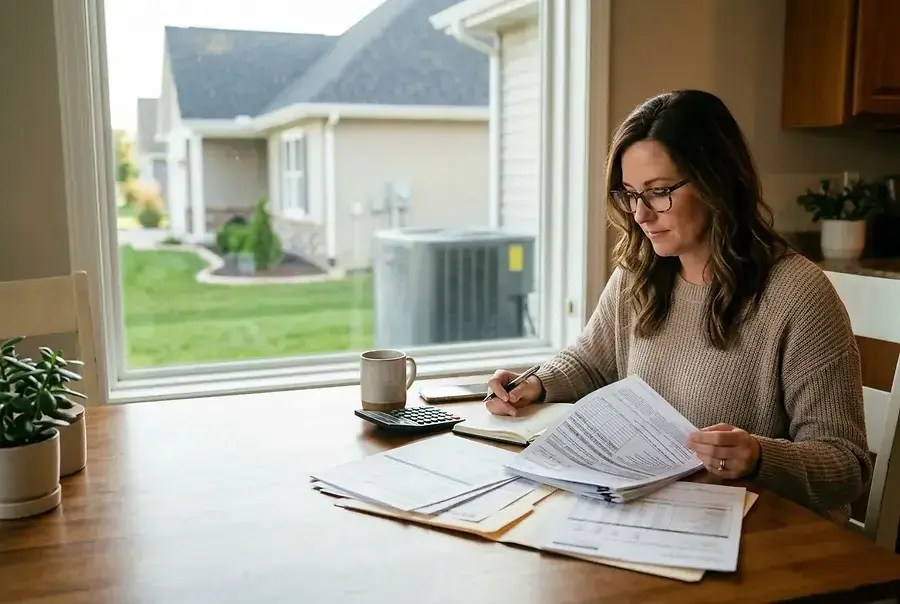
The True Cost of Homeownership
Buying a home is one of the most significant financial decisions you'll ever make. While most new homeowners focus on their monthly mortgage payment, the reality is that homeownership comes with a much broader range of expenses that can catch you off guard. Understanding these hidden costs is crucial to maintaining financial stability and enjoying your investment without stress.
Many first-time homebuyers are surprised to discover that their mortgage payment represents only a portion of their total housing costs. In fact, financial experts recommend budgeting for homeownership expenses that can range from 1% to 4% of your home's value annually. This comprehensive guide will help you identify and plan for these often-overlooked expenses.
Property Taxes, Insurance, and Maintenance Expenses You'll Face
Property Taxes
Property taxes are one of the most significant recurring expenses of homeownership, yet many buyers underestimate their impact. These taxes vary dramatically depending on your location, with some states charging substantially more than others. Property taxes typically fund local schools, infrastructure, and public services in your community.
Unlike your mortgage payment, property taxes can increase over time, especially if your home's assessed value rises. It's essential to research your local tax rates before purchasing and factor them into your long-term budget. Some homeowners are eligible for tax exemptions or deferrals, so investigate what programs might apply to your situation.
Homeowners Insurance
Homeowners insurance is not optional—your lender will require it as a condition of your mortgage. This insurance protects your home's structure and your personal belongings against damage from fire, theft, and other covered events. However, insurance premiums vary based on your home's location, age, condition, and the coverage level you choose.
Don't simply accept the first insurance quote you receive. Shop around with multiple providers to find competitive rates. Additionally, consider that insurance costs may increase annually, and you may need additional coverage for specific risks in your area, such as flood or earthquake insurance.
Maintenance and Repairs
One of the most overlooked expenses is routine home maintenance. Unlike renting, where a landlord handles repairs, homeowners are responsible for maintaining their property. This includes:
- HVAC system servicing and repairs
- Roof inspections and repairs
- Plumbing and electrical maintenance
- Painting and exterior upkeep
- Appliance repairs and replacements
- Landscaping and yard maintenance
Financial advisors recommend setting aside 1% of your home's purchase price annually for maintenance costs. For a $300,000 home, this means budgeting $3,000 per year. This reserve will help you handle both routine maintenance and unexpected repairs without derailing your finances.
Unexpected Costs: HOA Fees, Utilities, and Emergency Repairs
Homeowners Association (HOA) Fees
If you purchase a home in a community with a homeowners association, you'll face monthly or annual HOA fees. These fees fund common area maintenance, amenities, and community services. The challenge is that HOA fees can increase over time, and you have limited control over these increases.
Before purchasing a home with HOA fees, review the association's financial statements and meeting minutes. This will give you insight into potential future fee increases and any special assessments that might be coming. Some communities have faced significant fee hikes that caught homeowners off guard.
Utilities and Services
Utility costs are another area where new homeowners often underestimate expenses. Larger homes typically require more electricity, gas, and water than rental properties. Additionally, you may have new utility needs such as:
- Internet and cable services
- Trash and recycling collection
- Water and sewer services
- Gas and electric heating
Request utility bills from the previous homeowner to get a realistic picture of what you can expect to pay. This historical data is invaluable for accurate budgeting.
Emergency Repairs and Major Replacements
Even with regular maintenance, emergencies happen. A failing water heater, foundation issues, or a damaged roof can cost thousands of dollars. These unexpected expenses are why maintaining an emergency fund specifically for home repairs is critical.
Major systems in your home have typical lifespans. Your roof might last 20-25 years, your HVAC system 15-20 years, and your water heater 10-15 years. Knowing when these systems will likely need replacement helps you plan financially.
Planning Your Budget to Avoid Financial Surprises as a New Homeowner
Create a Comprehensive Budget
Start by listing all your housing-related expenses:
- Mortgage principal and interest
- Property taxes
- Homeowners insurance
- HOA fees (if applicable)
- Utilities and services
- Routine maintenance reserve
- Emergency repair fund
Add these together to determine your true monthly housing cost. This comprehensive view will help you understand whether homeownership fits comfortably within your budget.
Build Your Emergency Fund
Financial experts recommend maintaining an emergency fund equal to 3-6 months of total expenses, with an additional reserve specifically for home repairs.
Your home emergency fund should be separate from your general emergency savings. Aim to accumulate enough to cover at least one major repair or replacement without going into debt.
Track and Adjust
After your first year of homeownership, review your actual expenses against your budget. You'll have real data on utilities, maintenance costs, and other variable expenses. Use this information to refine your budget for the coming years.
Don't hesitate to adjust your budget as circumstances change. Home improvements, aging systems, and changing utility rates will all impact your costs over time.
Consider Long-Term Planning
Homeownership is a long-term commitment. Think beyond the first year and plan for major expenses you know are coming. If your roof is 15 years old, start saving now for its eventual replacement. If your HVAC system is aging, budget for its replacement within the next few years.
By understanding and planning for the true costs of homeownership, you'll avoid financial stress and can focus on enjoying your home. Remember, successful homeownership isn't just about making your mortgage payment—it's about managing all the expenses that come with maintaining and protecting your investment.