The Hidden Costs of Homeownership Beyond Your Mortgage Payment
Discover the essential expenses every homeowner should budget for to avoid financial surprises.

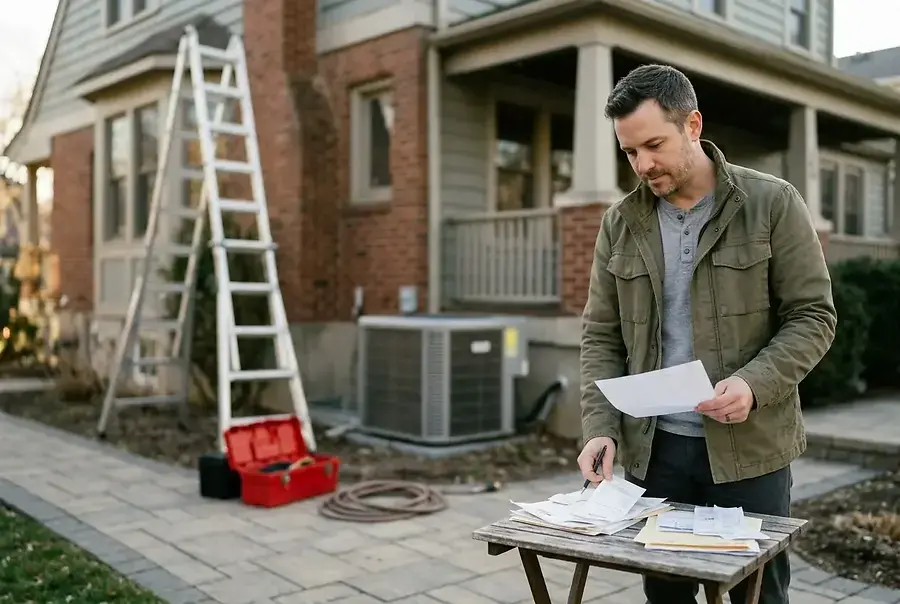
Introduction: Understanding True Homeownership Costs
When you purchase a home, the mortgage payment often becomes the focal point of your financial planning. However, many first-time homeowners are shocked to discover that their monthly mortgage represents only a fraction of their true housing expenses. The real cost of homeownership extends far beyond the principal and interest you pay each month. Understanding these hidden expenses is crucial for creating a sustainable budget and avoiding financial strain down the road.
The difference between your mortgage payment and your total housing costs can be substantial—sometimes adding 50% or more to your monthly expenses. By recognizing and planning for these additional costs upfront, you can make informed decisions about whether homeownership is truly affordable for your situation.
Property Taxes, Insurance, and HOA Fees Explained
Property Taxes
Property taxes are one of the most significant ongoing expenses homeowners face, yet they're often overlooked during the home-buying process. These taxes vary dramatically by location and can range from less than 1% to over 2% of your home's value annually. For a $400,000 home, this could mean anywhere from $4,000 to $8,000 per year in property taxes alone.
Property taxes typically increase over time, especially if your home appreciates in value. Some states offer homestead exemptions or other tax breaks for primary residences, so it's worth researching what's available in your area.
Homeowners Insurance
Homeowners insurance is mandatory if you have a mortgage, and for good reason. This insurance protects your investment against fire, theft, natural disasters, and liability claims. The average cost ranges from $1,000 to $2,000 annually, though this varies based on your home's location, age, and value.
Don't make the mistake of choosing the cheapest policy available. Ensure your coverage adequately protects your home's replacement value, not just its market value. Additionally, if you live in a flood-prone or hurricane-prone area, you may need separate flood or wind insurance.
HOA Fees
If your home is part of a homeowners association, you'll face monthly or annual HOA fees. These fees can range from $100 to $500+ per month and typically cover community maintenance, amenities, and management. While HOA communities offer benefits like maintained common areas and potentially higher property values, these fees represent a significant recurring expense that many buyers underestimate.
Maintenance, Repairs, and Unexpected Home Emergencies
Regular Maintenance Costs
A well-maintained home requires consistent upkeep. Essential maintenance tasks include:
- HVAC system servicing and filter replacements
- Roof inspections and repairs
- Gutter cleaning and maintenance
- Plumbing inspections and repairs
- Exterior painting and siding maintenance
- Lawn care and landscaping
Financial experts recommend budgeting 1-2% of your home's value annually for maintenance. For a $300,000 home, this means setting aside $3,000 to $6,000 per year for upkeep.
Major Repairs and Replacements
Beyond routine maintenance, homeowners must prepare for major expenses that arise periodically. A new roof can cost $10,000 to $25,000, a water heater replacement runs $1,500 to $3,000, and foundation repairs can exceed $10,000. These aren't questions of if they'll happen, but when.
Building an emergency fund specifically for home repairs is essential. Many financial advisors suggest maintaining a separate account with 3-6 months of potential repair costs available.
Unexpected Emergencies
Burst pipes, electrical failures, pest infestations, and structural issues can strike without warning.
The difference between a homeowner who thrives and one who struggles financially often comes down to whether they've prepared for these inevitable surprises.Having adequate reserves prevents you from going into debt when emergencies occur.
Utilities, Permits, and Long-Term Financial Planning
Utility Costs
Electricity, gas, water, sewer, and trash removal represent ongoing monthly expenses that many renters underestimate. Average utility costs range from $150 to $400 monthly, depending on your climate, home size, and usage habits. Older homes with poor insulation may have significantly higher heating and cooling costs.
Consider energy-efficient upgrades like improved insulation, modern HVAC systems, and LED lighting. While these require upfront investment, they often pay for themselves through reduced utility bills over time.
Permits and Improvements
If you plan to renovate or make significant improvements, building permits and inspections add to your costs. Even smaller projects may require permits, and unpermitted work can create problems when selling your home. Budget for these administrative costs when planning any home improvements.
Long-Term Financial Planning
Successful homeownership requires thinking beyond the immediate year. Consider:
- Roof replacement cycles (typically 15-25 years)
- HVAC system lifespan (10-15 years)
- Foundation and structural issues that may arise
- Neighborhood trends and property value appreciation
- Future refinancing opportunities
Creating a long-term maintenance schedule helps you anticipate major expenses and plan accordingly.
Conclusion: Creating a Realistic Homeownership Budget
Homeownership is a rewarding investment, but it demands financial responsibility and realistic planning. The true cost of owning a home typically exceeds your mortgage payment by 30-50% when you account for taxes, insurance, maintenance, utilities, and unexpected repairs.
To create a sustainable homeownership budget:
- Calculate your total monthly housing costs, not just the mortgage
- Research property taxes and insurance rates for your specific location
- Set aside 1-2% of your home's value annually for maintenance
- Build an emergency fund for unexpected repairs
- Review and adjust your budget annually
By understanding and preparing for these hidden costs, you'll avoid financial surprises and enjoy the true benefits of homeownership. The key to successful homeownership isn't just buying the right house—it's budgeting for the complete financial picture.