The Hidden Costs of Homeownership: Budget Beyond Your Mortgage Payment
Discover the essential expenses every homeowner must budget for to protect their investment and avoid financial surprises.

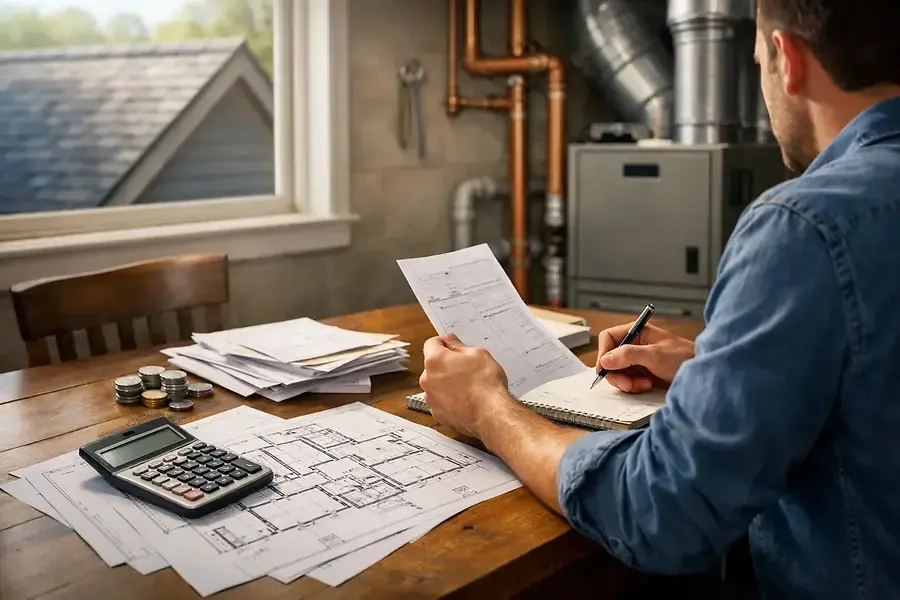
Understanding the True Cost of Owning a Home
When you purchase a home, it's easy to focus solely on the mortgage payment. However, the true cost of homeownership extends far beyond that monthly check. Many first-time homeowners are shocked to discover the numerous expenses that come with owning property. From property taxes to emergency repairs, these hidden costs can quickly add up and strain your finances if you're not prepared.
The key to successful homeownership is understanding that your mortgage payment typically covers only a portion of your total housing expenses. A comprehensive budget that accounts for all potential costs is essential to protecting your investment and maintaining financial stability. This article will guide you through the major expenses you need to consider when budgeting for homeownership.
Property Taxes, Insurance, and Maintenance: The Big Three Expenses
Property Taxes
Property taxes are one of the most significant ongoing expenses of homeownership. These taxes fund local schools, infrastructure, and public services in your community. The amount you'll pay depends on your home's assessed value and your local tax rate, which varies considerably by location.
Property taxes can range from less than 1% to over 2% of your home's value annually. This means a $300,000 home could cost you anywhere from $3,000 to $6,000 per year in property taxes alone. It's crucial to research the tax rates in your area before purchasing and factor this into your monthly budget.
Homeowners Insurance
Homeowners insurance is typically required by your lender and protects your property against damage from fire, theft, and natural disasters. The cost varies based on your home's location, age, size, and the coverage level you choose.
On average, homeowners insurance costs between $1,000 and $1,500 annually, though this can be higher in areas prone to hurricanes, earthquakes, or other natural disasters. Don't skimp on insurance coverage—the savings aren't worth the risk of being underprotected.
Maintenance and Repairs
One of the most underestimated expenses is routine maintenance and unexpected repairs. Your roof, plumbing, electrical systems, HVAC, and appliances all require regular upkeep and will eventually need replacement.
Financial experts recommend budgeting 1-2% of your home's purchase price annually for maintenance and repairs. For a $300,000 home, this means setting aside $3,000 to $6,000 each year. This might seem high, but major repairs like roof replacement ($8,000-$15,000) or HVAC system replacement ($5,000-$10,000) can quickly exceed this amount.
HOA Fees, Utilities, and Unexpected Repairs: Planning for Hidden Costs
Homeowners Association (HOA) Fees
If your home is part of a planned community or condominium, you'll likely pay HOA fees. These fees cover common area maintenance, amenities, and sometimes insurance for shared structures.
HOA fees can range from $100 to $500+ per month, depending on the community and amenities provided. Always review the HOA's financial statements and reserve fund before purchasing, as poorly managed associations may require special assessments for major repairs.
Utilities and Services
Utilities—including electricity, gas, water, sewer, and trash—are ongoing expenses that vary by season and usage. Many homeowners are surprised by their first utility bills, especially if they're moving from an apartment.
Budget $150-$300 monthly for utilities, though this can be higher in extreme climates. Additionally, consider internet, cable, and security system costs, which can add another $100-$200 monthly.
Unexpected Repairs and Emergency Fund
Despite your best planning, unexpected repairs will happen. A burst pipe, failed water heater, or foundation crack can cost thousands of dollars. Maintaining an emergency fund of $10,000-$25,000 specifically for home repairs is highly recommended.
This safety net prevents you from going into debt when emergencies occur and gives you peace of mind knowing you can handle unexpected situations.
Creating a Realistic Budget and Working With Your Real Estate Agent to Plan Ahead
Developing Your Homeownership Budget
To create a realistic budget, start by listing all potential expenses:
- Mortgage payment (principal and interest)
- Property taxes
- Homeowners insurance
- HOA fees (if applicable)
- Utilities and services
- Maintenance and repairs (1-2% of home value annually)
- Emergency fund contributions
Once you've identified these expenses, research typical costs in your area and add them to your mortgage payment. This total should not exceed 28-30% of your gross monthly income to ensure you maintain financial flexibility.
Working With Your Real Estate Agent
Your real estate agent is an invaluable resource for understanding local costs and market conditions. Before making an offer, ask your agent about:
- Average property tax rates in the area
- Typical homeowners insurance costs
- Common maintenance issues in homes of that age and style
- HOA fees and any pending special assessments
- Average utility costs for similar homes
A knowledgeable agent can help you avoid purchasing a home with hidden problems or unrealistic ongoing costs. They can also recommend home inspectors and contractors who can provide estimates for potential repairs.
Planning for the Long Term
Homeownership is a long-term investment. Create a maintenance schedule and budget for major replacements like roofing, siding, and HVAC systems. Many homes have a useful life of 15-20 years for major systems, so plan accordingly.
Remember: the cheapest home to buy isn't always the cheapest home to own. A well-maintained property in good condition may cost more upfront but will save you thousands in repairs and stress down the road.
By understanding and planning for these hidden costs, you'll be better equipped to make informed decisions about homeownership and protect your financial future. Take the time to research, budget carefully, and work with professionals who can guide you through the process.


