The Home Inspection Checklist: What Buyers Must Know Before Closing
Discover the critical inspection points that protect your investment and reveal hidden property issues before you commit.

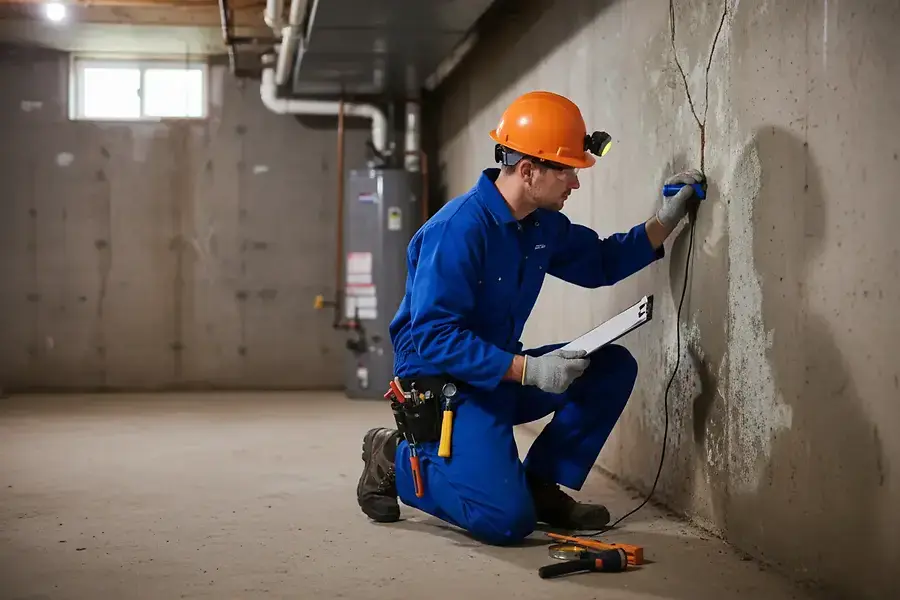
Why Professional Home Inspections Matter for Residential Buyers
Purchasing a home is one of the most significant financial decisions you'll make in your lifetime. While the emotional appeal of a property is important, understanding its true condition is critical to protecting your investment. A professional home inspection serves as your safeguard, providing an objective assessment of the property's structural integrity, systems, and potential issues that may not be visible to the untrained eye.
Many buyers skip or rush through inspections to close deals quickly, but this approach can lead to costly surprises after purchase. Hidden problems like foundation damage, outdated electrical systems, or plumbing issues can cost thousands to repair. A thorough inspection gives you leverage in negotiations and peace of mind that you're making an informed decision.
Key Areas to Evaluate During Your Home Inspection
Structural Components
The foundation is the backbone of any home. Inspectors examine the foundation for cracks, settling, or water damage that could indicate serious structural problems. They also assess:
- Basement walls for moisture intrusion and cracks
- Crawl spaces for proper ventilation and pest damage
- Roof structure and framing for signs of deterioration
- Walls and supports for alignment and stability
Roofing and Exterior
Your roof protects everything beneath it, making its condition paramount. Inspectors evaluate:
- Shingle condition, age, and remaining lifespan
- Flashing around chimneys and vents for proper sealing
- Gutters and downspouts for functionality and damage
- Siding, windows, and doors for weathertightness
- Exterior paint and caulking for deterioration
Plumbing Systems
Water-related issues are among the most expensive to repair. Inspectors check:
- Water pressure and flow throughout the home
- Pipe materials and condition (older homes may have outdated piping)
- Drainage systems and potential clogs
- Water heater age, type, and functionality
- Signs of leaks, water stains, or mold growth
Electrical Systems
Faulty electrical systems pose serious safety risks. Professional inspectors examine:
- Panel condition and capacity for modern electrical demands
- Outlet and switch functionality and grounding
- Presence of outdated wiring (aluminum or knob-and-tube)
- GFCI protection in wet areas
- Overall safety compliance with current codes
HVAC Systems
Heating, cooling, and ventilation systems are essential for comfort and air quality. Inspectors assess:
- Furnace or heat pump age and operational efficiency
- Air conditioning unit functionality
- Ductwork for leaks and proper insulation
- Thermostat operation and responsiveness
- Ventilation and air quality considerations
Interior Components
Don't overlook the details inside your potential home:
- Walls, ceilings, and floors for damage or settling
- Doors and windows for proper operation
- Insulation levels in attic and walls
- Appliances included in the sale
- Cabinets and built-ins for structural integrity
Red Flags and Warning Signs That Require Further Investigation
Moisture and Water Damage
Water stains, discoloration, or soft spots on ceilings, walls, or floors indicate past or present water intrusion. These issues can lead to mold growth and structural decay. If you notice these signs, request a specialized mold inspection or have a contractor evaluate the extent of damage.
Foundation Problems
Visible cracks in the foundation, especially horizontal cracks or those wider than 1/4 inch, warrant serious concern. Bowing walls, uneven floors, or doors that don't close properly may indicate foundation settling or movement. These repairs can be extremely expensive and should be evaluated by a structural engineer.
Outdated or Unsafe Systems
Homes with aluminum wiring, knob-and-tube electrical systems, or polybutylene plumbing present safety and functionality risks. Asbestos in insulation or popcorn ceilings is another red flag. Budget for system upgrades or request credits from the seller.
Pest Infestation
Signs of termites, carpenter ants, or rodents can indicate ongoing infestations. Look for:
- Wood damage or hollow-sounding wood
- Droppings or pest debris
- Mud tubes or tunnels
- Unusual odors
A specialized pest inspection may be necessary if signs are present.
Roof Concerns
A roof nearing the end of its lifespan is a major expense. If the roof is more than 20 years old or shows significant wear, plan for replacement costs. Missing shingles, sagging, or extensive moss growth are warning signs.
HVAC System Age
Furnaces and air conditioning units typically last 15-20 years. If systems are near or past this age, budget for replacement. An aging system may also indicate deferred maintenance throughout the property.
Using Inspection Results to Negotiate and Make Confident Purchase Decisions
Once you receive the inspection report, you have several options:
Request Repairs
Ask the seller to repair significant issues before closing. This ensures the work is done properly and you're not inheriting the problem.
Negotiate Credits
If repairs are minor or the seller won't make them, request a credit toward closing costs that you can use to hire contractors after purchase.
Renegotiate Price
Major issues discovered during inspection may justify a lower purchase price. Use the inspection report to support your negotiation with concrete repair estimates.
Walk Away
If inspection results reveal extensive problems that would be costly to repair, you have the right to withdraw from the purchase, especially if you included an inspection contingency in your offer.
Pro Tip: Always include an inspection contingency in your purchase offer. This protects you by allowing you to back out or renegotiate if significant issues are discovered.
A professional home inspection is not an expense—it's an investment in your future. By thoroughly evaluating a property before closing, you gain the knowledge and leverage needed to make confident decisions and protect your financial interests. Don't let the excitement of finding your dream home overshadow the importance of due diligence. Your inspection report is your roadmap to a sound investment.