The Home Seller's Timeline: Planning Your Sale for Maximum Profit
Discover the critical phases of selling your home and how to strategically time your listing to attract serious buyers and achieve top dollar.

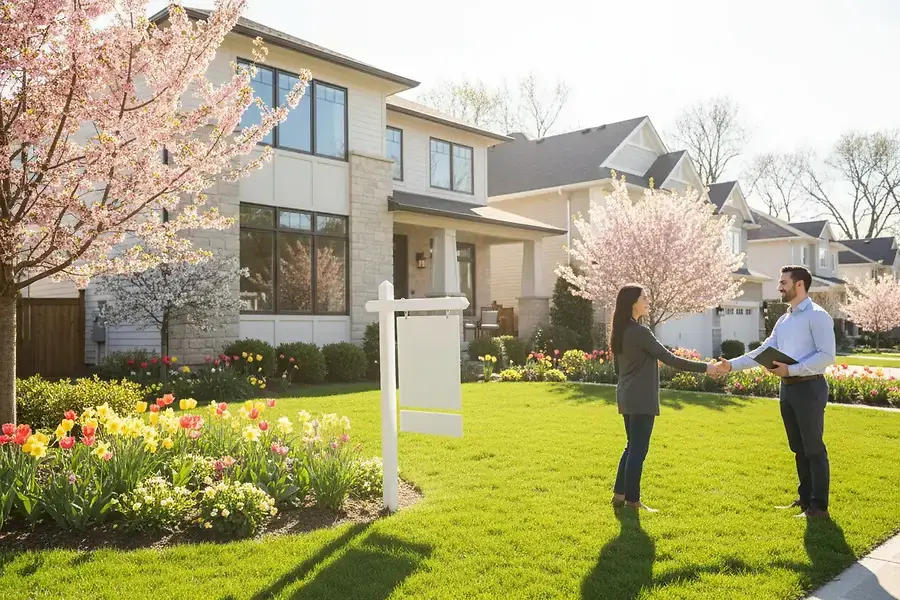
Understanding Market Cycles and Seasonal Selling Trends
The real estate market operates in predictable cycles that directly impact your home's selling potential. Understanding these patterns is the first step toward maximizing your profit. Market conditions fluctuate based on economic factors, interest rates, and seasonal demand, creating windows of opportunity for savvy sellers.
Seasonal Advantages and Disadvantages
Spring and early summer traditionally represent the strongest selling seasons. Families prefer to move during school breaks, and the pleasant weather makes homes more appealing. However, increased competition from other sellers means you'll need to price competitively and present your home exceptionally well.
Fall and winter typically see fewer buyers in the market, but this reduced competition can work in your favor. Serious buyers who are shopping during slower seasons are often highly motivated, whether due to job relocations or personal circumstances. These buyers tend to be less price-sensitive and more focused on finding the right home.
Reading Market Indicators
Before listing, analyze your local market's health. Key indicators include:
- Days on Market: How long homes typically stay listed before selling
- Inventory Levels: The number of homes available for sale in your area
- Price Trends: Whether home values are rising, falling, or stabilizing
- Buyer Demand: The ratio of buyers to available homes
A seller's market (low inventory, high demand) allows you to price higher and negotiate from strength. A buyer's market (high inventory, low demand) requires strategic pricing and enhanced presentation to stand out.
Preparing Your Home: Essential Steps Before Listing
The preparation phase is where many sellers either gain or lose thousands of dollars. A well-prepared home sells faster and commands higher prices. This phase typically requires 4-8 weeks, depending on your home's condition.
Decluttering and Depersonalization
Begin by removing excess belongings and personal items. Buyers need to envision themselves in the space, which is difficult when confronted with family photos, collections, or distinctive décor. A clean, neutral environment allows buyers to focus on the home's features rather than your personal style.
Essential Repairs and Upgrades
Address any obvious maintenance issues before listing. Broken fixtures, peeling paint, or damaged flooring immediately signal neglect to buyers. Focus on repairs that provide the best return on investment:
- Fresh interior and exterior paint
- Updated lighting fixtures
- Repaired or replaced flooring in high-traffic areas
- Landscaping and curb appeal improvements
- Kitchen and bathroom updates (if budget allows)
Professional Staging and Photography
Consider hiring a professional stager to arrange furniture and décor in a way that highlights your home's strengths. Professional photography is equally important—most buyers begin their search online, and high-quality images significantly impact click-through rates and showing requests.
Pricing Strategy and Competitive Market Analysis
Pricing is perhaps the most critical decision in your selling timeline. Price too high, and your home languishes on the market. Price too low, and you leave money on the table.
Conducting a Comparative Market Analysis
Work with your real estate agent to analyze recently sold homes comparable to yours. Consider:
- Sale prices of similar homes in your neighborhood
- How quickly comparable homes sold
- Condition and features of comparable properties
- Current active listings and their asking prices
This data forms the foundation of your pricing strategy. Your agent should provide a detailed market analysis report that justifies the recommended listing price.
Strategic Pricing Approaches
Consider pricing slightly below market value to generate multiple offers and create bidding competition. This strategy often results in a higher final sale price than pricing at or above market value. Alternatively, if your home is in exceptional condition in a strong market, pricing at or slightly above comparable sales may be appropriate.
Monitoring and Adjusting
After listing, monitor showing activity and buyer feedback closely. If your home isn't generating interest within the first two weeks, a price adjustment may be necessary. The longer a home sits on the market, the more it becomes perceived as overpriced, which can damage your negotiating position.
Closing the Deal: Negotiation and Final Considerations
Once you receive an offer, the negotiation phase begins. This is where your preparation and pricing strategy pay dividends.
Evaluating Offers
Don't focus solely on the offered price. Consider the entire package:
- Earnest Money Deposit: A larger deposit indicates serious intent
- Contingencies: Inspection, appraisal, and financing contingencies affect your risk
- Timeline: Closing dates that work with your plans
- Buyer Qualification: Pre-approval status and financial strength
A slightly lower offer from a well-qualified buyer with minimal contingencies may be preferable to a higher offer from an uncertain buyer.
Negotiation Strategies
Remain patient and strategic during negotiations. Your agent should handle most communication to maintain objectivity. Be prepared to negotiate on price, closing costs, repairs, and timeline. Know your walk-away point before negotiations begin—the lowest price you'll accept and the contingencies you'll tolerate.
Final Walkthrough and Closing
Before closing, conduct a final walkthrough to ensure the home is in the agreed-upon condition and that any negotiated repairs were completed. Review all closing documents carefully, and don't hesitate to ask questions about anything unclear.
Success in selling your home comes from understanding market dynamics, preparing thoroughly, pricing strategically, and negotiating wisely.
By following this timeline and focusing on each phase deliberately, you'll position yourself to attract serious buyers and achieve maximum profit from your home sale.


