The Homeowner's Guide to Essential Residential Property Maintenance
Discover the maintenance strategies that protect your home's value and prevent costly repairs down the road.

Why Preventive Maintenance Matters for Homeowners
Owning a home is one of the most significant investments you'll make in your lifetime. Yet many homeowners overlook the importance of regular maintenance, only to face expensive repairs when problems become critical. Preventive maintenance is the key to protecting your investment and maintaining your home's structural integrity.
When you stay on top of maintenance tasks, you're not just fixing problems—you're preventing them from occurring in the first place. A small roof leak that costs $200 to repair today could become a $5,000 water damage issue if left unattended. By investing time and modest resources into regular upkeep, you'll save thousands of dollars over your homeownership journey.
Beyond financial savings, consistent maintenance ensures your home remains a safe, comfortable place for your family. It also helps maintain your property's resale value, which is crucial if you ever decide to sell.
Seasonal Maintenance Checklist for Year-Round Home Protection
Spring Maintenance
Spring is the perfect time to assess winter damage and prepare your home for warmer months:
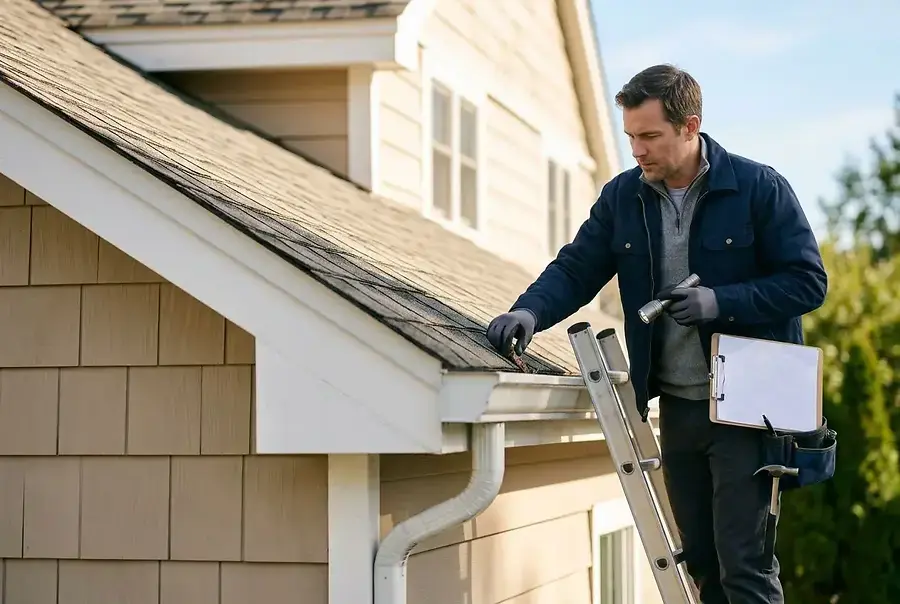
- Inspect your roof for missing or damaged shingles
- Clean gutters and downspouts to ensure proper water drainage
- Check exterior walls and foundation for cracks
- Test your air conditioning system before the heat arrives
- Inspect and repair window screens
- Power wash exterior surfaces to remove winter grime
Summer Maintenance
Summer is ideal for outdoor projects and inspections:
- Trim tree branches away from your roof and siding
- Inspect and seal any gaps around windows and doors
- Check your deck or patio for rot and safety issues
- Service your HVAC system and replace air filters
- Inspect exterior caulking and repaint as needed
- Check for pest infestations and address promptly
Fall Maintenance
Prepare your home for winter with these essential tasks:
- Clean gutters and downspouts thoroughly
- Inspect and repair weatherstripping on doors and windows
- Have your heating system professionally serviced
- Drain and store garden hoses
- Seal cracks in exterior walls and foundation
- Inspect chimney and have it cleaned if needed
Winter Maintenance
Winter requires vigilance to prevent cold-weather damage:
- Monitor roof for ice dams and remove snow buildup
- Check basement and crawl spaces for water intrusion
- Inspect pipes for freezing risks and insulate if necessary
- Test your heating system regularly
- Check weatherstripping and caulking for gaps
- Monitor humidity levels to prevent mold growth
Common Costly Repairs and How to Avoid Them
Roof Damage
Cost of major repairs: $5,000-$15,000+
Your roof is your home's first line of defense against the elements. Regular inspections can catch small problems before they become catastrophic. Prevention tip: Inspect your roof twice yearly, keep gutters clean, and trim overhanging branches. Replace damaged shingles promptly and consider professional inspections every few years.
Foundation Problems
Cost of major repairs: $10,000-$50,000+
Foundation issues are among the most expensive repairs homeowners face. Early detection is crucial. Prevention tip: Monitor your foundation for new cracks, ensure proper grading around your home to direct water away, maintain consistent soil moisture, and address water drainage issues immediately.
Plumbing Issues
Cost of major repairs: $3,000-$25,000+
Water damage from burst pipes or leaks can be devastating. Prevention tip: Know where your main water shut-off valve is located, insulate pipes in cold areas, avoid pouring grease down drains, and have your plumbing inspected regularly. Replace old galvanized pipes before they fail.
HVAC System Failure
Cost of replacement: $5,000-$15,000+
A failed heating or cooling system is uncomfortable and expensive. Prevention tip: Change air filters monthly, have your system serviced annually, and address unusual noises or performance issues immediately. Regular maintenance can extend your system's lifespan by years.
Electrical Problems
Cost of major repairs: $2,000-$10,000+
Faulty wiring poses safety risks and can lead to fires. Prevention tip: Have an electrician inspect your home's electrical system, especially if it's older. Don't overload circuits, and address flickering lights or outlets that don't work promptly.
Building a Sustainable Home Maintenance Plan
Create a Maintenance Schedule
The best way to stay on top of maintenance is to create a written schedule. Document all tasks, their frequency, and when they were last completed. This helps you avoid forgetting important items and provides valuable records for future reference.
Budget for Maintenance
Financial experts recommend setting aside 1-2% of your home's value annually for maintenance and repairs. For a $300,000 home, this means budgeting $3,000-$6,000 per year. This cushion helps you handle unexpected repairs without financial stress.
Know When to Call Professionals
While DIY maintenance is great for simple tasks, some jobs require professional expertise. Electrical work, plumbing, roofing, and HVAC service should typically be handled by licensed professionals. Attempting complex repairs yourself can create bigger problems and void warranties.
Keep Detailed Records
Maintain records of all maintenance and repairs performed on your home. These documents are valuable when selling your home and help you track patterns or recurring issues. Take photos of completed work and keep receipts for all materials and services.
Stay Informed
Learn about your home's systems and components. Understand how your HVAC, plumbing, and electrical systems work. Read your home's inspection report and manufacturer manuals for appliances. Knowledge empowers you to catch problems early.
Conclusion: Building a Sustainable Home Maintenance Plan
Home maintenance isn't glamorous, but it's absolutely essential. By implementing a proactive maintenance strategy, you protect your investment, ensure your family's safety, and avoid costly emergency repairs.
Start by creating a seasonal maintenance checklist tailored to your home's specific needs and climate. Set aside time each month to complete routine tasks, and don't hesitate to call professionals when needed. Remember that spending a little now on prevention saves you thousands later.
Your home is more than just a structure—it's where memories are made and families grow. Treat it with the care and attention it deserves, and it will serve you well for decades to come. Begin your maintenance journey today, and enjoy the peace of mind that comes with a well-maintained home.


