The Huntsville Home Inspection Checklist: What Every Buyer Must Know
Discover the critical inspection points that protect your investment and prevent costly surprises in Huntsville properties.

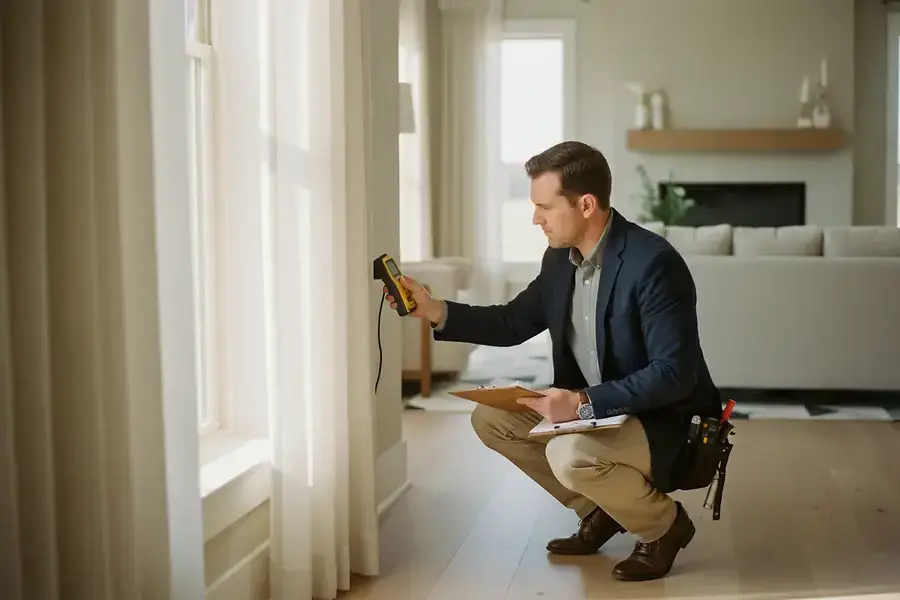
Understanding Why Home Inspections Matter in Huntsville
Purchasing a home is one of the most significant financial decisions you'll make in your lifetime. In Huntsville, where the real estate market is competitive and diverse, a professional home inspection serves as your safeguard against hidden defects and costly repairs. A thorough inspection can reveal structural issues, mechanical problems, and safety hazards that might not be visible during a casual walkthrough.
Many first-time homebuyers underestimate the importance of a comprehensive inspection. While it may seem like an additional expense, the investment typically pays for itself by identifying problems that could cost thousands of dollars to repair later. In Huntsville's climate, certain issues like moisture damage and HVAC concerns are particularly common and should never be overlooked.
Essential Areas to Evaluate During Your Home Inspection
Foundation and Structural Integrity
The foundation is the backbone of any home. During your inspection, look for cracks in the foundation, uneven floors, or signs of settling. In Huntsville, where soil composition can vary significantly, foundation issues are not uncommon. A qualified inspector will check for water intrusion, which can lead to serious structural problems if left unaddressed.
Roof and Exterior
Your roof protects everything beneath it, making its condition critical. Inspectors should examine:
- Shingle condition and age
- Flashing around chimneys and vents
- Gutters and downspouts
- Signs of leaks or water damage in the attic
- Exterior siding and caulking
Huntsville's weather patterns can be harsh on roofing materials, so pay special attention to any signs of wear or damage.
HVAC Systems
Heating, ventilation, and air conditioning systems are essential in Huntsville's climate. The inspector should verify that the system is functioning properly, check the age of the unit, and assess whether it's appropriately sized for the home. A failing HVAC system can cost $5,000 to $15,000 to replace, so this deserves careful attention.
Plumbing and Water Systems
Water damage is one of the most expensive problems homeowners face. During inspection, ensure the inspector checks:
- Water pressure and flow
- Pipe material and condition
- Water heater age and functionality
- Signs of leaks or water stains
- Septic system condition (if applicable)
Electrical Systems
Outdated or faulty electrical systems pose serious safety risks. The inspector should verify that the electrical panel is up to code, check for proper grounding, and ensure outlets are functioning correctly. Aluminum wiring, found in some older Huntsville homes, may require special attention and potential upgrades.
Interior Conditions
Don't overlook the interior details. Inspectors should examine:
- Windows and doors for proper operation
- Insulation levels in attic and walls
- Drywall and paint condition
- Flooring integrity
- Kitchen and bathroom fixtures
- Appliances included in the sale
Red Flags and When to Negotiate Repairs
Major Concerns That Require Action
Certain inspection findings should prompt immediate negotiation or further investigation:
Foundation cracks, roof leaks, electrical hazards, and plumbing issues are not cosmetic problems—they're structural concerns that affect the home's safety and value.
When you discover significant issues, you have several options: request that the seller make repairs before closing, negotiate a price reduction to cover repair costs, or ask for a credit at closing. In Huntsville's market, sellers are often willing to negotiate when faced with documented inspection findings.
Minor Issues vs. Deal-Breakers
Not every inspection finding requires renegotiation. Minor cosmetic issues like paint touch-ups or small caulking gaps are typically the buyer's responsibility. However, structural problems, safety hazards, and systems nearing the end of their lifespan warrant serious consideration.
Create a prioritized list of issues with estimated repair costs. Focus your negotiations on items that pose safety risks or require substantial investment. This strategic approach helps you maintain leverage while addressing the most critical concerns.
Getting a Second Opinion
For major findings, consider hiring a specialist. If the inspector identifies potential foundation issues, hire a structural engineer. For electrical concerns, consult a licensed electrician. These specialists can provide detailed assessments and repair estimates, strengthening your negotiating position.
Conclusion: Making Informed Decisions as a Huntsville Homebuyer
A comprehensive home inspection is your best defense against purchasing a property with hidden problems. By understanding what to look for and knowing how to respond to inspection findings, you protect your investment and ensure you're making an informed decision.
Remember that the inspection period is your opportunity to uncover issues before you're legally obligated to purchase the home. Take the process seriously, ask questions, and don't hesitate to negotiate repairs or price adjustments based on documented findings. Your future self will thank you for the diligence you invest today.
Work with a qualified home inspector who understands Huntsville's unique climate and construction standards. Combined with your real estate agent's expertise and your own due diligence, a thorough inspection sets the foundation for a confident and successful home purchase.


