The Impact of Zoning Changes on Commercial Properties in Tempe and Phoenix
Discover how recent zoning updates are reshaping investment opportunities and property values for savvy commercial real estate investors.

Understanding Zoning and Its Role in Commercial Real Estate
Zoning regulations form the backbone of urban planning and commercial real estate development. These municipal codes determine how land can be used, what types of businesses can operate in specific areas, and the density of development allowed. For commercial property investors, understanding zoning is not just important—it's essential to making informed investment decisions.
Zoning classifications typically include residential, commercial, industrial, and mixed-use categories. Within commercial zones, there are often further subdivisions that specify whether properties can be used for retail, office, hospitality, or other business purposes. When zoning changes occur, they can dramatically alter property values, rental potential, and long-term investment viability.
Why Zoning Matters to Your Bottom Line
A property's zoning designation directly impacts its market value and income-generating potential. A commercial property zoned for retail will command different prices and rental rates than one zoned for office use. Additionally, zoning changes can unlock previously untapped development potential or, conversely, restrict uses that were previously permitted.
Key Zoning Changes Affecting Tempe and Phoenix Commercial Markets
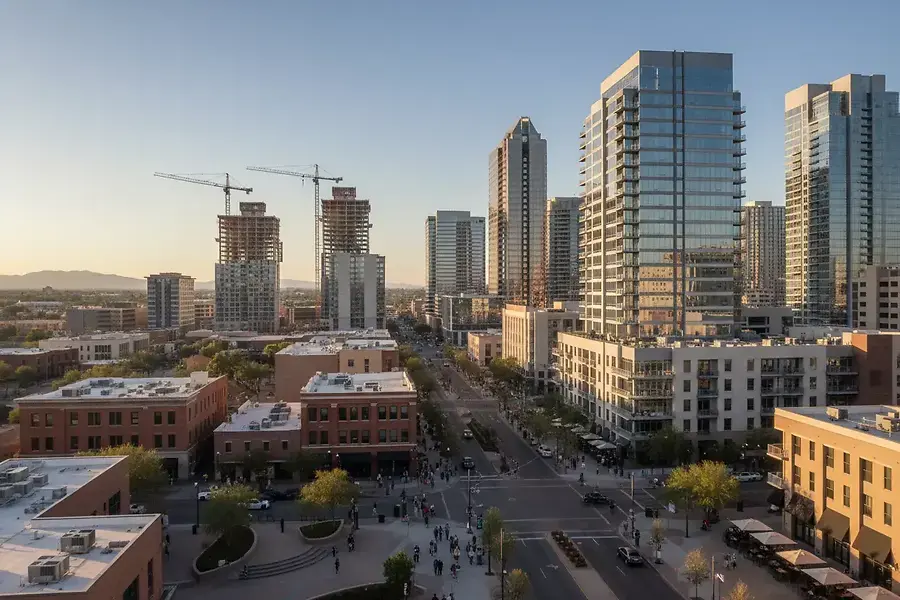
The Tempe and Phoenix metropolitan areas have experienced significant zoning reforms in recent years, reflecting broader trends toward mixed-use development, sustainability, and urban densification. These changes are reshaping the commercial landscape in meaningful ways.
Mixed-Use Development Expansion
Both cities have expanded zoning allowances for mixed-use properties that combine residential, retail, and office spaces. This shift encourages walkable, vibrant neighborhoods and creates new opportunities for developers and investors. Properties that were previously restricted to single-use commercial can now incorporate residential components, increasing their development potential and revenue streams.
Downtown Revitalization Initiatives
Phoenix and Tempe have implemented zoning changes specifically designed to revitalize downtown areas. These include:
- Increased height allowances for new construction in core downtown districts
- Reduced parking requirements to encourage transit-oriented development
- Expedited approval processes for projects meeting sustainability criteria
- Tax incentives for adaptive reuse of historic commercial buildings
Industrial Zone Conversions
Some industrial zones on the periphery of both cities have been rezoned to allow light commercial and flex-space uses. This reflects the changing nature of modern commerce, where traditional warehousing is giving way to e-commerce fulfillment centers, creative studios, and technology hubs.
Transit-Oriented Development Corridors
Both municipalities have created special zoning overlays along major transit corridors, allowing higher density development and mixed-use projects near public transportation hubs. This encourages sustainable development patterns and increases property values in these strategic locations.
How These Changes Create Investment Opportunities and Risk Factors
Investment Opportunities
Value Appreciation Potential: Properties that benefit from zoning changes often experience significant appreciation. A commercial property rezoned to allow mixed-use development may suddenly be worth substantially more due to expanded development potential.
Adaptive Reuse Projects: Zoning changes that permit adaptive reuse of older commercial buildings create opportunities for investors to acquire undervalued properties and redevelop them for modern uses. Historic tax credits and incentive programs often accompany these zoning changes, improving project economics.
Density Bonuses: Many zoning changes include density bonus provisions that allow developers to build more units or square footage in exchange for providing public benefits. Savvy investors can leverage these provisions to increase project profitability.
First-Mover Advantage: Investors who identify and acquire properties in newly rezoned areas before the market fully recognizes the change can capture significant returns as values adjust upward.
Risk Factors to Consider
Zoning Reversals: While less common, zoning designations can be reversed or modified. Political changes or community opposition can result in zoning amendments that negatively impact property values. Investors should monitor local political developments and community sentiment.
Market Saturation: When zoning changes open up new development opportunities, multiple investors often pursue similar projects simultaneously. This can lead to oversupply in certain property types or geographic areas, potentially suppressing returns.
Regulatory Uncertainty: Implementation details of new zoning codes can sometimes be unclear or subject to interpretation. Disputes with municipal authorities over permitted uses or development standards can delay projects and increase costs.
Neighborhood Opposition: Zoning changes that increase density or change neighborhood character often face community resistance. This can result in additional requirements, design modifications, or legal challenges that impact project timelines and budgets.
Due Diligence Checklist
Before investing in properties affected by zoning changes, conduct thorough due diligence:
- Review the specific zoning code language and any associated overlay districts
- Consult with local planning departments about interpretation and implementation
- Analyze comparable properties and recent sales in newly rezoned areas
- Assess community sentiment and potential for zoning challenges
- Evaluate infrastructure capacity (utilities, transportation, parking)
- Consider timing and market absorption rates for new development
Positioning Yourself as a Zoning-Savvy Commercial Real Estate Expert
Success in commercial real estate increasingly depends on understanding zoning dynamics. Investors who master this skill gain a significant competitive advantage. Here's how to develop expertise:
Stay Informed
Regularly review municipal planning documents, zoning code updates, and city council meeting minutes. Subscribe to local planning and development newsletters. Attend city planning meetings and community forums to understand emerging trends and concerns.
Build Relationships
Develop relationships with city planners, municipal staff, and local development professionals. These connections provide valuable insights into upcoming zoning changes and implementation details before they become public knowledge.
Analyze Market Trends
Track how zoning changes translate into actual development activity and property value changes. Maintain detailed records of properties affected by zoning changes and their performance over time. This data becomes invaluable for identifying patterns and predicting future opportunities.
Invest in Professional Guidance
Work with experienced real estate attorneys, planners, and consultants who understand local zoning codes. Their expertise can help you navigate complex regulatory environments and identify opportunities others might miss.
The bottom line: Zoning changes in Tempe and Phoenix are creating a dynamic commercial real estate market full of opportunities for informed investors. By understanding how zoning works, staying current with regulatory changes, and conducting thorough due diligence, you can position yourself to capitalize on these shifts and build a profitable commercial real estate portfolio.