The Investor's Guide to Adaptive Reuse Properties in Central Texas
Transform underutilized buildings into profitable residential and commercial spaces across Cedar Park, Austin, and beyond.

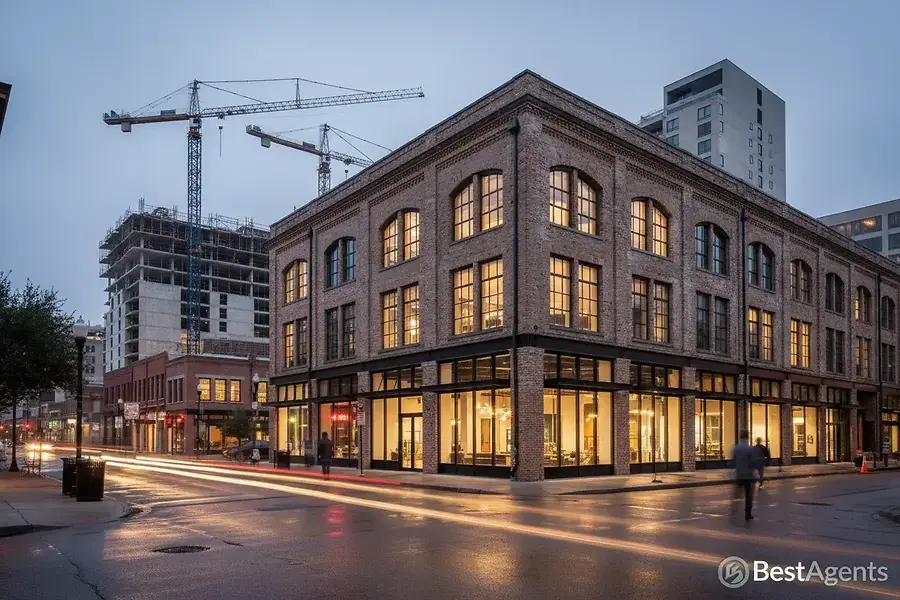
The Rise of Adaptive Reuse in Central Texas Real Estate
Central Texas is experiencing a transformation that savvy investors are capitalizing on at unprecedented rates. Adaptive reuse—the practice of converting underutilized or abandoned buildings into new residential and commercial spaces—has become one of the most lucrative investment strategies in the region. From historic warehouses in Austin to aging office buildings in Cedar Park, the opportunities are abundant for investors who understand the market dynamics.
The appeal is clear: existing structures offer lower land costs compared to ground-up development, faster construction timelines, and the ability to preserve architectural character while meeting modern needs. Additionally, many municipalities across Central Texas offer tax incentives and grants to encourage adaptive reuse projects, making them even more attractive from a financial perspective.
The market has shifted dramatically over the past few years. What was once considered a niche investment strategy is now mainstream, with institutional investors, REITs, and individual developers competing for the best properties. The key to success is understanding where to look and how to evaluate potential deals before your competition does.
Identifying High-Potential Properties: What Smart Investors Look For
Location and Market Fundamentals
The first rule of adaptive reuse investing is location. Properties in walkable neighborhoods with strong employment centers, growing populations, and good transportation access command premium prices and attract quality tenants. In Central Texas, this means focusing on:
- Established neighborhoods near downtown Austin with rising foot traffic
- Emerging districts in Cedar Park and Round Rock with strong demographic growth
- Areas with proximity to major employers and universities
- Neighborhoods showing signs of revitalization and investment
Building Characteristics and Structural Integrity
Not every old building is a good candidate for adaptive reuse. Smart investors evaluate:
- Structural soundness: Foundation, roof, and load-bearing walls must be salvageable
- Ceiling heights: Higher ceilings (12+ feet) offer more flexibility for modern layouts
- Column spacing: Wider spacing allows for open floor plans and loft-style conversions
- Existing systems: Electrical, plumbing, and HVAC infrastructure that can be upgraded
- Architectural character: Original features that add value and appeal to tenants
Financial Viability and Exit Strategies
Before committing capital, successful investors conduct thorough financial analysis. This includes:
The acquisition cost plus renovation expenses must result in a final value that justifies the risk and effort involved.
Calculate your all-in costs, project rental income based on comparable properties, and identify multiple exit strategies—whether that's long-term hold, sale to an operator, or conversion to condominiums.
Navigating Zoning, Permits, and Conversion Costs Across Six Key Markets
Understanding Zoning and Land Use Regulations
Central Texas municipalities have varying zoning codes and adaptive reuse policies. Before purchasing a property, verify:
- Current zoning designation and permitted uses
- Whether your intended use requires a variance or conditional use permit
- Local design guidelines and historic preservation requirements
- Parking requirements and how they impact your project economics
Austin, Cedar Park, Round Rock, Pflugerville, Leander, and Williamson County each have unique regulatory environments. Engaging with local planning departments early in your evaluation process can save months of delays and thousands in unexpected costs.
Permitting and Compliance Timelines
The permitting process is where many projects stall. Budget 3-6 months for comprehensive permitting in most Central Texas markets. Key permits include:
- Building permits for structural and systems upgrades
- Electrical, plumbing, and mechanical permits
- Certificate of Occupancy for new use classification
- Historic preservation approvals (if applicable)
- Environmental assessments and Phase I/II reports
Realistic Renovation Cost Projections
Adaptive reuse projects typically cost $150-$300 per square foot for mid-range conversions, with luxury projects exceeding $400 per square foot. Factors affecting costs include:
- Building condition: Deferred maintenance significantly increases expenses
- Systems replacement: HVAC, electrical, and plumbing upgrades are major line items
- Scope of work: Cosmetic updates cost far less than structural modifications
- Market standards: Austin projects typically command higher finishes than surrounding areas
- Contingency planning: Always reserve 15-20% for unexpected issues discovered during renovation
Work with experienced contractors who have completed adaptive reuse projects in your target market. Their insights on realistic timelines and costs are invaluable.
Conclusion: Positioning Yourself as the Adaptive Reuse Expert in Your Community
The adaptive reuse market in Central Texas is maturing rapidly, but opportunities remain for investors who approach deals strategically. Success requires a combination of market knowledge, financial discipline, and regulatory expertise.
To position yourself as a leader in this space:
- Build relationships with local planning officials, architects, and contractors
- Develop a proprietary system for evaluating properties and projecting returns
- Document your projects and share lessons learned with your network
- Stay informed about zoning changes and incentive programs in your target markets
- Consider specializing in a specific property type or geographic area
The buildings that others overlook represent the greatest opportunities for informed investors. By mastering the fundamentals of adaptive reuse—from identifying high-potential properties to navigating complex permitting processes—you can build a profitable, sustainable real estate business while contributing to the revitalization of Central Texas communities.
The future of real estate development in Central Texas isn't about building new—it's about reimagining what already exists.


