The Memphis Home Inspection Checklist: What Buyers Need to Know
Discover the critical items to evaluate during your home inspection to avoid costly surprises and make confident purchasing decisions.

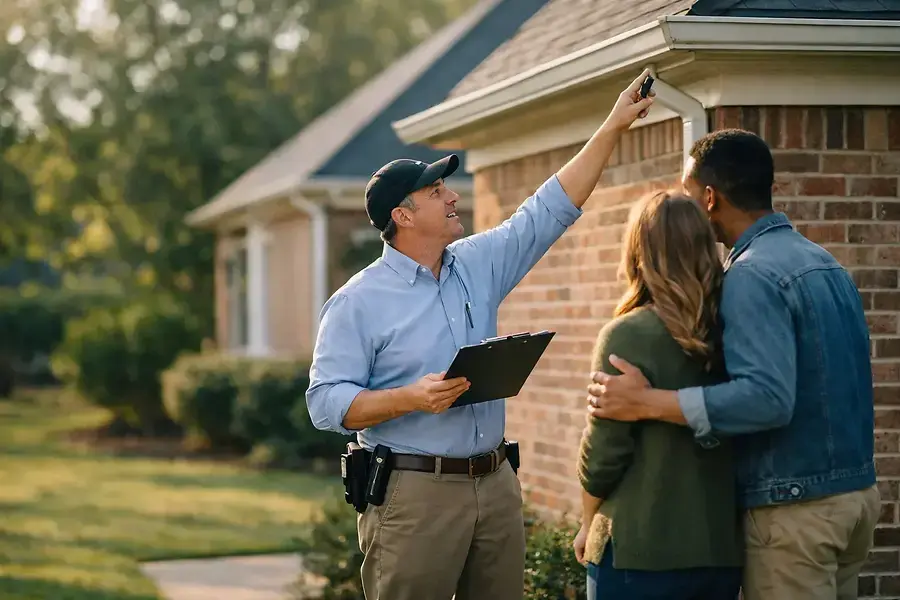
Understanding the Home Inspection Process in Memphis
A home inspection is one of the most critical steps in the home buying process. In Memphis, where homes range from historic properties to modern constructions, understanding what to expect during an inspection can save you thousands of dollars and prevent future headaches.
The inspection typically lasts two to three hours and involves a licensed inspector examining the property's visible and accessible components. This professional evaluation provides an objective assessment of the home's condition, helping you make an informed decision before committing to your purchase.
Why Home Inspections Matter in Memphis
Memphis's climate and building history create unique inspection considerations. The region experiences humidity, occasional flooding in certain areas, and homes that may have outdated systems. A thorough inspection identifies these regional challenges early, allowing you to budget for necessary repairs or renegotiate your offer.
As a buyer, you have the right to be present during the inspection. This is your opportunity to ask questions, understand the property's condition, and learn about maintenance requirements from the inspector directly.
Essential Systems and Structures Buyers Should Evaluate
Roof and Exterior
The roof is one of your home's most expensive components. During inspection, inspectors evaluate:
- Shingle condition and age
- Flashing around chimneys and vents
- Gutters and downspouts
- Signs of leaks or water damage
- Exterior walls for cracks or deterioration
In Memphis, where weather can be unpredictable, a compromised roof can lead to significant water damage. Ask your inspector about the roof's remaining lifespan and any repairs needed.
Foundation and Structural Integrity
The foundation supports everything above it. Inspectors look for:
- Cracks in the foundation or basement walls
- Signs of settling or shifting
- Water intrusion or dampness
- Proper grading around the foundation
Foundation issues are serious and expensive to repair. If your inspector identifies significant concerns, this could be a deal-breaker or a strong negotiation point.
Plumbing Systems
Water systems are essential to daily living. Inspectors evaluate:
- Water pressure and flow
- Pipe material and condition (galvanized, copper, PVC)
- Signs of leaks or corrosion
- Drain functionality
- Water heater age and condition
Older Memphis homes may have outdated plumbing that requires updating. Budget accordingly if replacements are needed.
Electrical Systems
Safety is paramount with electrical systems. Inspectors check:
- Panel condition and capacity
- Proper grounding and bonding
- Outlet and switch functionality
- Presence of GFCI outlets in wet areas
- Outdated wiring that may pose fire hazards
Electrical issues can be safety hazards and insurance concerns. Ensure your inspector provides detailed findings on any deficiencies.
HVAC Systems
Heating and cooling are crucial in Memphis's climate. Inspectors evaluate:
- Furnace and air conditioning unit age
- System functionality and efficiency
- Ductwork condition
- Thermostat operation
Replacing HVAC systems is expensive. Understanding the age and condition helps you plan for future replacement costs.
Red Flags That Could Affect Your Offer and Negotiation Power
Water Damage and Mold
Water damage is a serious concern in Memphis. Look for:
- Stains on ceilings or walls
- Musty odors
- Visible mold growth
- Soft or spongy wood
Water damage can indicate ongoing moisture problems that lead to structural damage and health concerns. This is a major red flag that warrants further investigation.
Pest Infestations
Termites and other pests are common in the Memphis area. Signs include:
- Mud tubes on foundation walls
- Wood damage or hollow-sounding wood
- Droppings or dead insects
Pest damage can be extensive and expensive to remediate. Request a separate pest inspection if concerns arise.
Outdated or Unsafe Systems
Some older homes contain:
- Asbestos insulation or materials
- Lead paint (common in pre-1978 homes)
- Knob-and-tube wiring
- Polybutylene plumbing
These materials require professional remediation and can significantly impact your purchase decision and insurance eligibility.
Poor Ventilation and Insulation
Inadequate ventilation and insulation lead to:
- Higher energy bills
- Moisture accumulation
- Mold growth
- Comfort issues
While not always deal-breakers, these issues affect long-term ownership costs.
Working with Inspectors and Using Results to Your Advantage
Choosing the Right Inspector
Select an inspector who is:
- Licensed and insured in Tennessee
- Experienced with Memphis-area homes
- A member of professional organizations like ASHI
- Willing to explain findings clearly
Your real estate agent can recommend qualified inspectors, but the choice is yours. Don't hesitate to ask about their experience and credentials.
Maximizing Your Inspection
Attend the inspection in person. Walk through with the inspector, ask questions, and take notes. Request clarification on any concerns and ask about repair costs and timelines.
Request a detailed written report that includes photographs of issues. This documentation is valuable for negotiations and future reference.
Using Inspection Results in Negotiations
Once you have the inspection report, you have several options:
- Request repairs: Ask the seller to fix identified issues before closing
- Request credits: Negotiate a price reduction to cover repair costs
- Request inspections: Ask for specialized inspections (pest, structural, etc.)
- Renegotiate or walk away: If issues are severe, you may reconsider the purchase
Use your inspection report as leverage. Sellers often prefer making repairs to losing a deal, especially if you present reasonable requests backed by professional findings.
Post-Inspection Next Steps
After addressing inspection concerns, maintain documentation of all repairs and agreements. Request receipts and warranties for any work completed. This information is valuable for future resale and insurance purposes.
A thorough home inspection is your best defense against costly surprises. By understanding what to evaluate and how to use the results, you'll make a confident, informed decision about your Memphis home purchase.


