The Pittsburgh Home Buyer's Complete Guide to Choosing the Right Neighborhood
Discover how to evaluate Pittsburgh neighborhoods based on lifestyle, investment potential, and long-term value.

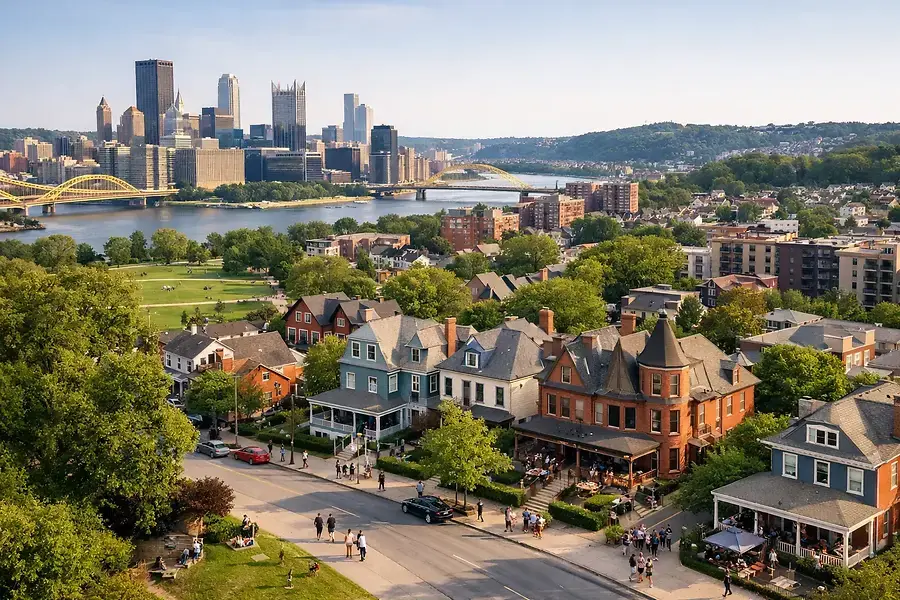
Why Neighborhood Choice Matters More Than the House Itself
When purchasing a home in Pittsburgh, many buyers focus primarily on the property itself—the square footage, the number of bedrooms, or the updated kitchen. However, experienced real estate professionals understand a fundamental truth: your neighborhood choice will ultimately have a greater impact on your satisfaction and investment returns than the house itself. You can renovate a kitchen or add a bathroom, but you cannot change your neighborhood's location, character, or trajectory.
The right neighborhood provides more than just a place to live. It offers a lifestyle, a community, and a financial investment that will shape your daily experiences and long-term wealth building. Whether you're a first-time homebuyer or an experienced investor, understanding how to evaluate Pittsburgh's diverse neighborhoods is essential to making a decision you'll be happy with for years to come.
Key Factors to Evaluate When Choosing a Pittsburgh Neighborhood
Walkability and Accessibility
Pittsburgh's neighborhoods vary dramatically in their walkability. Consider how easily you can access essential services, restaurants, shops, and entertainment on foot. Highly walkable neighborhoods reduce your dependence on a car and increase your quality of life. Evaluate proximity to public transportation, parking availability, and the overall pedestrian-friendliness of the streets.
School Quality and Educational Resources
Even if you don't have children, school district quality significantly impacts property values and neighborhood desirability. Research:
- Public school ratings and test scores
- Proximity to universities and educational institutions
- Availability of private school options
- Community programs and youth activities
Safety and Crime Statistics
Safety is paramount when choosing where to live. Research crime statistics, speak with current residents, and visit neighborhoods at different times of day. Look beyond headline numbers and understand the specific types of incidents reported. Many Pittsburgh neighborhoods have made significant improvements in safety through community policing and neighborhood watch programs.
Economic Stability and Growth Potential
Examine the neighborhood's economic trajectory. Are businesses opening or closing? Is the housing market appreciating? Look for signs of investment and development, such as new construction, renovated storefronts, and increased commercial activity. These indicators suggest a neighborhood with strong long-term investment potential.
Community Character and Lifestyle
Each Pittsburgh neighborhood has a distinct personality. Some are vibrant and urban, others are quiet and residential. Consider:
- The age and diversity of residents
- Availability of parks, recreation, and cultural venues
- Local restaurants, coffee shops, and gathering spaces
- Community events and neighborhood engagement
- Architectural style and neighborhood aesthetics
Commute and Transportation
Evaluate your daily commute realistically. A beautiful neighborhood becomes less appealing if you spend two hours daily commuting. Consider proximity to your workplace, major highways, and public transportation options. Factor in seasonal weather conditions and how they might affect your commute.
Property Values and Affordability
Research recent sales data, price trends, and property tax rates. Understand whether you're buying in an appreciating market or a declining one. The most affordable neighborhood isn't always the best investment if property values are stagnating. Look for neighborhoods offering good value with positive growth indicators.
Pittsburgh's Most Desirable Neighborhoods: What Makes Them Stand Out
Shadyside
Known for its tree-lined streets, upscale shopping on Walnut Street, and proximity to cultural institutions, Shadyside attracts professionals and families seeking an urban lifestyle with suburban charm. Strong property appreciation and excellent walkability make it consistently popular among homebuyers.
Highland Park
This neighborhood offers a perfect blend of residential tranquility and urban convenience. The proximity to Highland Park itself—featuring beautiful trails, a zoo, and recreational facilities—makes it ideal for outdoor enthusiasts. Strong schools and family-friendly amenities drive consistent demand.
Lawrenceville
Lawrenceville represents Pittsburgh's revitalization story. Once overlooked, this neighborhood has transformed into a vibrant hub of art galleries, trendy restaurants, and young professionals. Affordable entry prices combined with rapid appreciation make it attractive to investors and first-time buyers alike.
Point Breeze
With stunning Victorian mansions and tree-lined avenues, Point Breeze offers architectural character and established community pride. The neighborhood's historic charm, combined with ongoing revitalization efforts, appeals to those seeking both beauty and investment potential.
Squirrel Hill
Known for its diverse, tight-knit community and excellent schools, Squirrel Hill provides a suburban feel within the city. Strong neighborhood institutions, cultural diversity, and reliable property values make it a stable choice for families.
Making Your Neighborhood Decision with Confidence
Choosing the right Pittsburgh neighborhood requires balancing multiple factors—your lifestyle preferences, financial goals, and long-term vision. Don't rush this decision. Spend time in neighborhoods you're considering at different times of day and different seasons. Talk to residents, visit local businesses, and imagine yourself living there.
Consider creating a weighted list of your priorities. What matters most to you: walkability, schools, investment potential, or community character? Different neighborhoods excel in different areas, and understanding your priorities helps clarify which neighborhood aligns best with your needs.
Remember: the best neighborhood for you is one where you'll be happy to live and where your investment will appreciate over time. These two goals often align in Pittsburgh's most desirable neighborhoods.
Work with a knowledgeable real estate agent familiar with Pittsburgh's neighborhoods. They can provide insights into market trends, neighborhood trajectories, and opportunities that might not be immediately obvious. Their expertise can help you identify emerging neighborhoods with strong potential before they become mainstream choices.
Your neighborhood choice is one of the most important decisions you'll make as a homeowner. By carefully evaluating these factors and taking time to truly understand Pittsburgh's diverse neighborhoods, you'll make a choice that brings both satisfaction and financial reward for years to come.


