The Residential Seller's Guide to Staging for Maximum Home Value
Discover proven staging techniques that help residential properties sell faster and attract serious buyers.

Why Staging Matters in Residential Real Estate
When it comes to selling your home, first impressions are everything. Home staging is the strategic process of preparing and presenting your property to appeal to the broadest range of potential buyers. In today's competitive real estate market, homes that are properly staged sell faster and often command higher prices than unstaged properties.
Research shows that staged homes spend significantly less time on the market and attract more qualified buyers. By investing in staging, you're not just decorating—you're creating an emotional connection that helps buyers envision themselves living in your space. This psychological advantage can translate directly into better offers and a smoother selling process.
Essential Staging Strategies for Every Room
The Entryway and Living Room
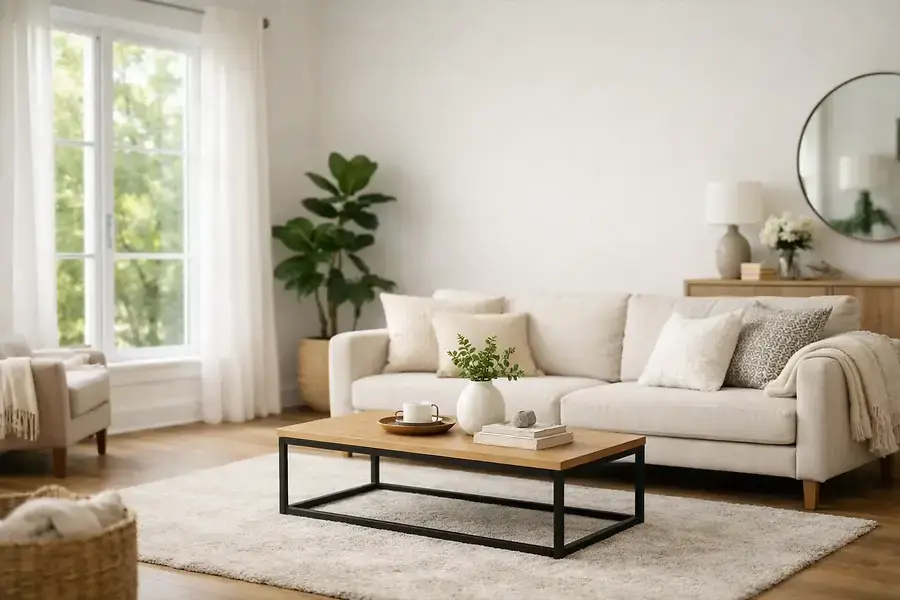
Your entryway sets the tone for the entire home. Keep this space clean, well-lit, and inviting. Remove clutter, add a fresh coat of paint if needed, and consider placing a welcoming piece of furniture or artwork. The living room should feel spacious and comfortable—arrange furniture to highlight the room's best features and create natural conversation areas.
- Declutter and remove personal items
- Ensure adequate lighting with lamps and natural light
- Arrange furniture to maximize space perception
- Add neutral, tasteful décor accents
Kitchen and Dining Areas
The kitchen is often the most important room for buyers. A clean, organized kitchen can significantly impact your home's perceived value. Clear countertops of appliances and personal items, organize cabinets, and ensure all surfaces shine. If your kitchen is dated, consider minor updates like new hardware or a fresh backsplash.
For dining areas, set a simple, elegant table that suggests entertaining possibilities. Use neutral linens and minimal centerpieces to keep the focus on the room's size and natural light.
Bedrooms and Bathrooms
Bedrooms should feel like peaceful retreats. Make beds with high-quality, neutral bedding and remove excess furniture to emphasize space. Less is more in bedrooms—buyers want to imagine their own belongings in these intimate spaces.
Bathrooms must be impeccably clean and organized. Remove personal toiletries, add fresh towels, and ensure all fixtures are in working order. A small plant or candle can add freshness without overwhelming the space.
Outdoor Spaces
Don't neglect your home's exterior and outdoor areas. A well-maintained front yard creates an excellent first impression. Trim landscaping, add colorful plants, and ensure the entrance is clean and welcoming. If you have a patio or deck, stage it with comfortable seating to showcase its potential.
Common Staging Mistakes Residential Sellers Should Avoid
Over-Personalizing Your Space
While your family photos and personal collections are meaningful to you, they can distract buyers from envisioning the home as their own. Remove or minimize personal items, family portraits, and distinctive décor that reflects your individual style. The goal is to create a neutral canvas that appeals to the widest audience.
Neglecting Cleanliness and Maintenance
No amount of staging can overcome a dirty or poorly maintained home. Buyers notice everything—dusty baseboards, stained carpets, and broken fixtures send negative signals. Invest in professional cleaning and address any obvious maintenance issues before showing your home.
Overcrowding Rooms with Furniture
Too much furniture makes rooms feel smaller and cramped. Remove excess pieces to create an open, airy feeling. This is especially important in smaller homes where space perception is critical. Remember, empty space is a luxury that appeals to buyers.
Ignoring Lighting and Ambiance
Poor lighting can make even beautiful homes feel unwelcoming. Open all curtains and blinds to maximize natural light, and add lamps to darker corners. Warm, soft lighting creates a more inviting atmosphere than harsh overhead lights.
Using Bold Colors and Strong Scents
While you may love that vibrant accent wall or signature scent, they can be off-putting to buyers. Stick with neutral paint colors and avoid strong perfumes or cooking odors. A fresh, clean scent is preferable to any artificial fragrance.
Forgetting About Curb Appeal
Your home's exterior is the first thing buyers see. Neglecting landscaping, painting, or repairs to the front entrance is a costly mistake. A well-maintained exterior suggests that the interior has been cared for equally well.
Transform Your Home's Appeal and Achieve Your Selling Goals
Home staging is an investment that pays dividends. By implementing these proven strategies and avoiding common mistakes, you'll create a compelling presentation that attracts serious buyers and maximizes your home's selling potential.
Remember, the goal of staging is to help buyers see the best version of your home. Whether you work with a professional stager or tackle the project yourself, focus on cleanliness, organization, and neutral appeal. These fundamentals will serve you well in achieving your selling goals and securing the best possible price for your property.
Start with the most visible areas—your entryway, living room, and kitchen—and work your way through each room systematically. With patience and attention to detail, you'll transform your home into an irresistible property that buyers won't be able to resist.


