The Rise of Adaptive Reuse: Transforming Obsolete Spaces Into Premium Commercial Assets
Discover how forward-thinking commercial investors are breathing new life into aging properties and capturing untapped market demand.

The Commercial Real Estate Landscape Shift
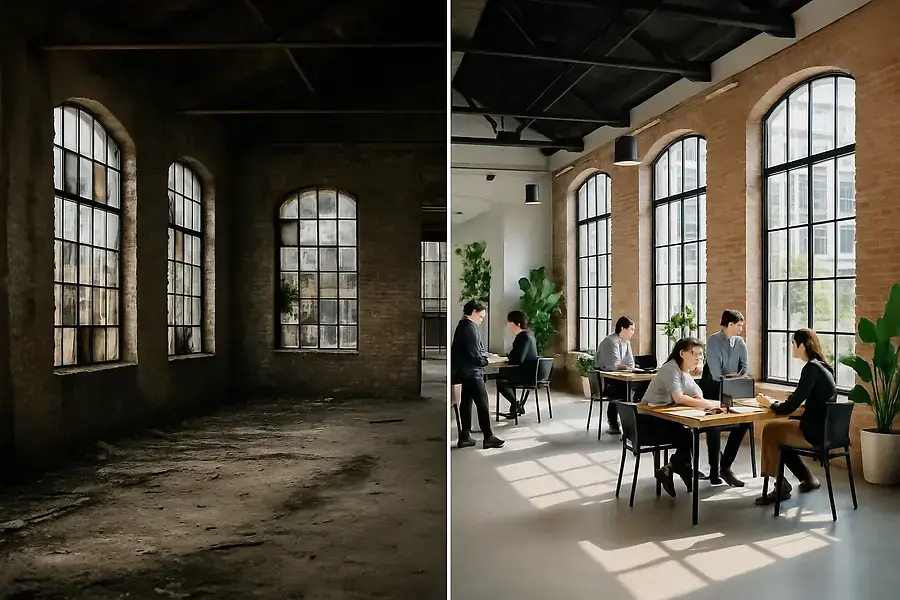
The commercial real estate market is experiencing a fundamental transformation. Traditional development models are giving way to a more innovative approach: adaptive reuse. Rather than demolishing aging structures or leaving them vacant, forward-thinking investors are recognizing these properties as untapped goldmines. This shift represents more than just a trend—it's a strategic response to changing market demands, sustainability concerns, and the scarcity of prime development land.
Adaptive reuse has become the competitive edge that separates successful investors from the rest. Properties that once seemed obsolete—abandoned warehouses, defunct manufacturing facilities, aging office buildings—are now being reimagined as trendy lofts, mixed-use developments, and specialized commercial spaces. The market is rewarding this creativity with strong returns and tenant demand that often exceeds expectations.
Why is this happening now? Several factors converge to make adaptive reuse increasingly attractive:
- Sustainability Demand: Tenants and consumers increasingly prefer environmentally responsible properties, and adaptive reuse significantly reduces waste and carbon footprints compared to new construction.
- Cost Efficiency: Existing structures often cost less to acquire and convert than building from scratch, while land acquisition costs remain prohibitively high in desirable markets.
- Unique Character: Converted spaces offer distinctive architectural features and authenticity that new construction cannot replicate, commanding premium rents.
- Regulatory Advantages: Adaptive reuse projects often face fewer zoning restrictions and faster approval timelines than new development.
Identifying Hidden Potential
Spotting Underutilized Properties
The first step in adaptive reuse investing is developing an eye for potential. Not every vacant building is a good candidate, but certain characteristics signal opportunity. Look for properties with:
- Solid structural integrity and quality construction materials
- Strategic locations with strong foot traffic or accessibility
- Unique architectural features that add character and value
- Reasonable acquisition prices relative to market comparables
- Clear pathways to zoning compliance or variance approval
Industrial buildings in revitalizing neighborhoods often present the best opportunities. These areas typically have lower acquisition costs, growing demand for creative office and retail space, and supportive municipal governments eager to encourage redevelopment.
Assessing True Upside
Evaluating an adaptive reuse project requires rigorous financial analysis. Beyond the purchase price, you must carefully assess conversion costs, which can vary dramatically based on the property's condition and your vision for it. Conduct thorough due diligence:
- Hire structural engineers to identify hidden problems and estimate renovation costs accurately
- Research zoning regulations and potential variance requirements early
- Analyze comparable rents for similar converted spaces in the market
- Project realistic tenant acquisition timelines and vacancy rates
- Factor in soft costs including permits, professional fees, and contingencies
The most successful investors build 20-30% contingency buffers into their budgets. Adaptive reuse projects often encounter unexpected challenges—hidden structural damage, asbestos remediation, or code compliance issues—that can derail projects without adequate reserves.
Navigating the Conversion Process
Managing Renovations Strategically
Converting an obsolete property into a premium commercial asset requires careful project management. Develop a comprehensive renovation strategy that balances preservation of character with modern functionality. This might mean:
- Preserving original brick, timber beams, or architectural details that define the space's appeal
- Upgrading mechanical, electrical, and plumbing systems to meet current codes and tenant expectations
- Implementing modern amenities like high-speed internet infrastructure, flexible layouts, and sustainable systems
- Creating phased renovation plans that allow partial occupancy during construction
Working with architects and contractors experienced in adaptive reuse is essential. They understand how to navigate the unique challenges these projects present and can identify cost-saving opportunities that preserve value.
Zoning and Regulatory Navigation
Zoning challenges often determine project viability. Many adaptive reuse projects require variances or zoning changes to accommodate new uses. Engage with municipal authorities early to understand requirements and build support. This includes:
- Meeting with planning departments to discuss your vision and identify potential obstacles
- Preparing compelling presentations that demonstrate community benefits
- Building relationships with local officials and community stakeholders
- Budgeting for professional zoning consultants and legal expertise
Many municipalities actively support adaptive reuse projects through expedited permitting, tax incentives, and grants. Demonstrating how your project aligns with community revitalization goals can significantly smooth the approval process.
Tenant Acquisition and Retention
The converted space's success ultimately depends on attracting and retaining quality tenants. Market your property's unique value proposition: the distinctive character, sustainability credentials, community location, and premium amenities that justify higher rents than conventional spaces.
Consider offering flexible lease terms and build-to-suit options that allow tenants to customize their spaces. Adaptive reuse properties often appeal to creative industries, tech companies, and forward-thinking businesses that value authenticity and sustainability—tenants willing to pay premium rates for the right environment.
Positioning Your Portfolio for Tomorrow
Adaptive reuse investments offer compelling advantages for long-term portfolio growth. These properties typically command 15-25% higher rents than conventional spaces in the same market, reflecting tenant demand for unique, sustainable environments. Beyond immediate returns, adaptive reuse projects build resilient portfolios positioned for evolving market conditions.
The market increasingly rewards investors who think creatively about real estate. As land becomes scarcer and sustainability concerns grow, the ability to transform underutilized assets into premium commercial spaces becomes an increasingly valuable competitive advantage. Properties that seemed destined for demolition or permanent vacancy are generating exceptional returns for investors with vision and execution capability.
The future of commercial real estate belongs to those who see potential where others see only problems. By mastering the adaptive reuse playbook—identifying hidden potential, navigating complex conversions, and positioning properties for premium tenant demand—you can build a portfolio that thrives regardless of market cycles. The obsolete spaces of today are the premium commercial assets of tomorrow.


