The Tampa Home Inspection Checklist: What Buyers Need to Know
Discover the critical inspection items that protect your investment and prevent costly surprises in Tampa's residential market.

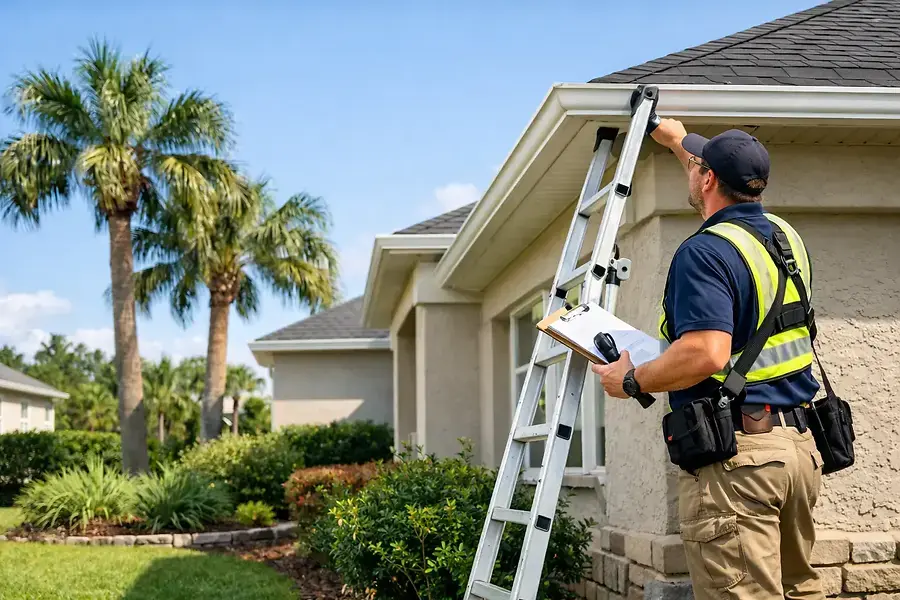
Understanding Home Inspections: Why They Matter in Tampa
Purchasing a home is one of the most significant financial decisions you'll make, and in Tampa's competitive real estate market, a thorough home inspection is your best defense against unexpected expenses. A professional home inspection provides an objective assessment of a property's condition, identifying potential issues before you commit to the purchase.
In Tampa, where the climate and environmental factors present unique challenges, inspections are particularly crucial. The combination of heat, humidity, salt air, and hurricane seasons means homes face distinct wear and tear compared to other regions. A qualified inspector will evaluate these specific concerns while examining the overall structural integrity of the property.
Why should you invest in a home inspection? Beyond peace of mind, inspections protect your investment by revealing costly repairs that might not be visible to the untrained eye. They also provide leverage during negotiations, allowing you to request repairs, credits, or price adjustments based on documented findings.
Essential Areas to Evaluate: Foundation, Roof, and HVAC Systems
Foundation and Structural Integrity
The foundation is the backbone of any home. In Tampa, inspectors pay special attention to signs of settling, cracks, or water intrusion. Look for:
- Visible cracks in the foundation or basement walls
- Uneven floors or doors that don't close properly
- Evidence of water damage or moisture in crawl spaces
- Proper grading around the foundation to direct water away from the home
A compromised foundation can lead to thousands of dollars in repairs, making this inspection area non-negotiable.
Roof Condition and Durability
Tampa's intense sun and frequent storms make roof inspection critical. Your inspector should examine:
- Shingle condition, including missing, cracked, or curling shingles
- Flashing around chimneys, vents, and skylights
- Gutters and downspouts for proper drainage
- Roof age and remaining lifespan
- Evidence of leaks or water stains in the attic
A roof replacement can cost $10,000 or more, so understanding its condition is essential for budgeting.
HVAC Systems
In Tampa's hot, humid climate, a functioning air conditioning system isn't a luxury—it's a necessity. The inspector should verify:
- System age and maintenance history
- Proper cooling and heating operation
- Ductwork condition and insulation
- Thermostat functionality
- Filter accessibility and condition
Regular maintenance records demonstrate that the system has been properly cared for, which can extend its lifespan significantly.
Florida-Specific Concerns: Hurricane Preparedness and Moisture Issues
Hurricane Preparedness Features
Living in Tampa means hurricane season is a reality. A comprehensive inspection should assess the home's ability to withstand severe weather:
- Impact-resistant windows and doors – These provide protection against flying debris
- Roof straps and reinforcement – Proper installation prevents roof uplift during high winds
- Garage door reinforcement – Weak garage doors can compromise the entire structure
- Proper roof-to-wall connections – Critical for structural integrity during storms
Homes with hurricane-resistant features may qualify for insurance discounts and provide greater peace of mind during storm season.
Moisture and Mold Concerns
Florida's humidity creates an ideal environment for moisture problems and mold growth. Inspectors should look for:
- Signs of water intrusion in walls, attics, and crawl spaces
- Mold or mildew growth, particularly in bathrooms and basements
- Proper ventilation in bathrooms and kitchens
- Grading and drainage around the property
- Condition of caulking and sealants around windows and doors
Moisture issues can lead to structural damage, health concerns, and expensive remediation. Don't overlook this critical inspection area.
Taking Action: Using Inspection Results to Negotiate and Make Informed Decisions
Understanding Your Inspection Report
Once the inspection is complete, you'll receive a detailed report categorizing findings by severity. Typically, issues are classified as:
- Critical: Safety hazards or major structural concerns requiring immediate attention
- Major: Significant repairs needed within the next few years
- Minor: Small maintenance items or cosmetic issues
Take time to review the report thoroughly and ask your inspector to clarify any findings you don't understand.
Negotiation Strategies
Armed with inspection results, you have several options:
- Request repairs: Ask the seller to fix critical and major issues before closing
- Negotiate credits: Request a credit toward closing costs to handle repairs yourself
- Request price reduction: Use findings to justify a lower offer price
- Walk away: If issues are too extensive, you may decide the property isn't worth pursuing
Your real estate agent can help you determine the most effective negotiation approach based on the local market and specific findings.
Making Your Final Decision
The inspection report is a tool to inform your decision, not necessarily a deal-breaker. Consider:
- The overall condition of the home relative to its age and price
- Your budget for repairs and improvements
- The cost of repairs versus the property's value
- Your comfort level with addressing identified issues
A home inspection isn't about finding a perfect property—it's about understanding what you're buying and making an informed decision based on facts rather than emotions.
Post-Purchase Considerations
Even after closing, use your inspection report as a maintenance guide. Address minor issues promptly to prevent them from becoming major problems. Schedule regular maintenance for HVAC systems, roof inspections, and moisture checks to protect your investment for years to come.
In Tampa's unique climate, staying proactive about home maintenance is the key to preserving your property's value and ensuring your family's safety and comfort.


