The True Cost of Home Ownership: Beyond Your Mortgage Payment
Discover the hidden expenses every new homeowner should budget for to avoid financial surprises.

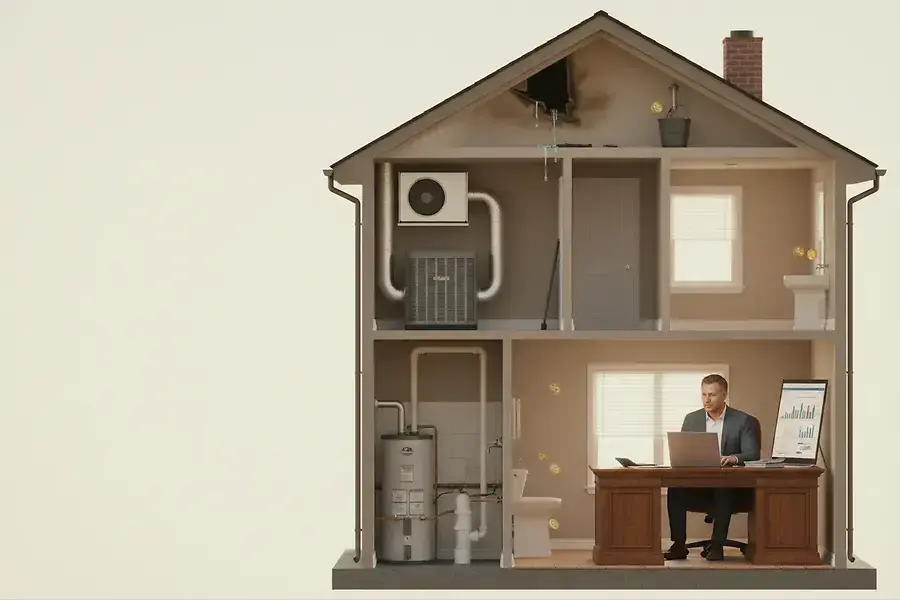
Introduction: What Most First-Time Buyers Don't Know About Home Costs
Congratulations on your new home! While the excitement of homeownership is undeniable, many first-time buyers are caught off guard by the true financial commitment involved. The mortgage payment is just the beginning. In fact, your total monthly housing costs can be significantly higher than your principal and interest payment alone.
Understanding these hidden expenses before you buy is crucial to avoiding financial stress and making a sound investment decision. This guide will walk you through the often-overlooked costs of homeownership and help you create a realistic budget.
Beyond the Mortgage: Property Taxes, Insurance, and HOA Fees Explained
Property Taxes
Property taxes are one of the most substantial ongoing expenses homeowners face. These taxes vary dramatically depending on your location and can range from less than 1% to over 2% of your home's value annually. For example, a $300,000 home could incur anywhere from $3,000 to $6,000 or more in annual property taxes.
Key points about property taxes:
- Rates vary significantly by state and county
- Taxes typically increase over time as property values rise
- Some states offer exemptions for seniors or veterans
- Your lender will likely require you to escrow these payments
Homeowners Insurance
Homeowners insurance is mandatory if you have a mortgage, and for good reason. This insurance protects your investment against fire, theft, and natural disasters. Average annual premiums range from $1,000 to $2,000, though this varies based on your home's location, age, and condition.
Don't forget about additional insurance considerations:
- Flood insurance (often required in high-risk areas)
- Earthquake insurance (depending on your region)
- Umbrella policies for additional liability protection
HOA Fees
If you purchase a home in a community with a homeowners association, you'll pay monthly or annual HOA fees. These fees typically range from $100 to $500+ monthly and cover common area maintenance, amenities, and community management. Always review the HOA budget and rules before purchasing, as these fees can increase unexpectedly.
Ongoing Maintenance and Repair Expenses: What to Expect and Budget
The 1% Rule
A common guideline in real estate is the 1% rule: budget 1% of your home's purchase price annually for maintenance and repairs. For a $300,000 home, this means setting aside $3,000 per year, or $250 monthly. This covers routine maintenance like HVAC servicing, roof inspections, and gutter cleaning.
Major Repairs and Replacements
Beyond routine maintenance, homeowners must prepare for major expenses that arise unexpectedly:
- Roof replacement: $8,000 to $25,000+
- HVAC system: $5,000 to $15,000
- Water heater: $1,500 to $3,000
- Foundation repairs: $5,000 to $50,000+
- Plumbing issues: $1,000 to $10,000+
These expenses don't follow a predictable schedule, which is why maintaining an emergency home repair fund is essential. Aim to have 3-6 months of expenses saved to handle unexpected repairs without derailing your finances.
Seasonal and Routine Costs
Don't overlook smaller but consistent expenses:
- Lawn care and landscaping
- Pest control services
- Chimney cleaning and inspection
- Septic system maintenance (if applicable)
- Well water testing (if applicable)
Planning Your Financial Future: Creating a Realistic Home Ownership Budget
Calculate Your True Housing Costs
To create an accurate budget, add up all housing-related expenses:
- Mortgage principal and interest
- Property taxes
- Homeowners insurance
- HOA fees (if applicable)
- Utilities (electricity, gas, water, sewer)
- Maintenance and repairs (1% of home value)
- Pest control and lawn care
Financial experts recommend that your total housing costs should not exceed 28% of your gross monthly income.
Build Your Emergency Fund
Before purchasing a home, ensure you have adequate savings. Aim for an emergency fund of 6-12 months of expenses, separate from your down payment. This cushion will protect you when unexpected repairs arise.
Review and Adjust Regularly
Your budget isn't static. Review your actual expenses quarterly and adjust your estimates accordingly. Keep detailed records of all home-related spending to identify trends and plan for future expenses.
Conclusion: Making an Informed Decision About Your Home Investment
Homeownership is one of the most significant financial decisions you'll make, and it's important to enter into it with eyes wide open. The true cost of homeownership extends far beyond your monthly mortgage payment.
By understanding property taxes, insurance, HOA fees, and maintenance expenses, you can create a realistic budget and avoid financial surprises. Take time to research costs specific to your area and home, build adequate savings, and plan for both routine and emergency expenses.
With proper planning and preparation, homeownership can be a rewarding investment in your future. Use this guide as a starting point for your financial planning, and don't hesitate to consult with financial advisors or real estate professionals who can provide personalized guidance based on your specific situation.