The True Cost of Homeownership: Hidden Expenses Beyond Your Mortgage
Discover the hidden expenses every new homeowner should budget for to avoid financial surprises.

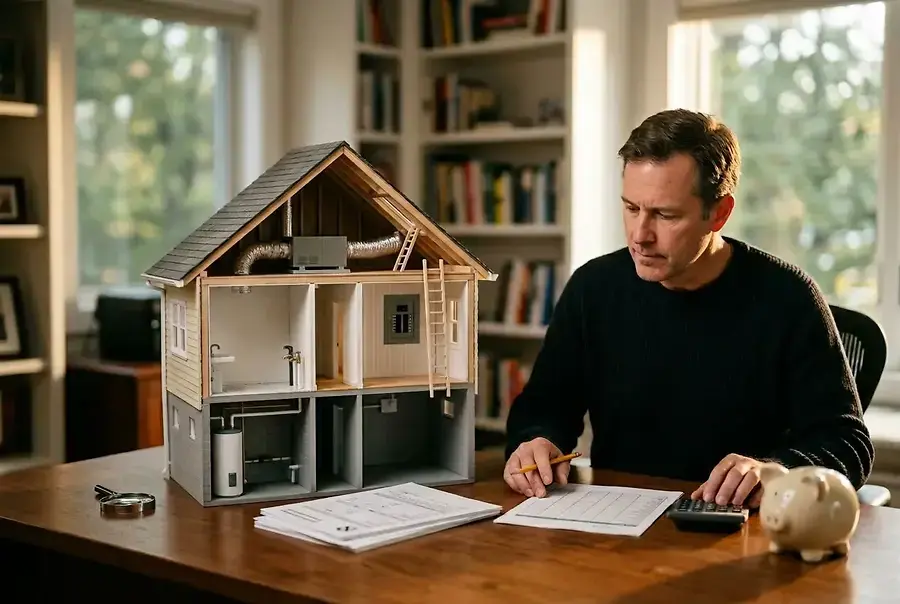
Understanding Your Complete Financial Obligations
When you purchase a home, many first-time buyers focus primarily on their monthly mortgage payment. However, the true cost of homeownership extends far beyond this single expense. Understanding your complete financial obligations is crucial to avoiding budget shortfalls and financial stress down the road.
Homeownership comes with a range of recurring and unexpected costs that can significantly impact your finances. From property taxes to insurance premiums, maintenance fees to emergency repairs, these expenses can easily add up to thousands of dollars annually. The key to successful homeownership is anticipating these costs and planning accordingly.
Essential Costs Beyond Your Monthly Mortgage Payment
Property Taxes and Insurance
One of the most substantial hidden costs of homeownership is property taxes. These taxes vary significantly depending on your location and property value, but they represent a permanent annual obligation that many new homeowners underestimate. Property taxes typically range from 0.3% to 2.5% of your home's value annually, depending on your state and local jurisdiction.
Homeowners insurance is another non-negotiable expense. This insurance protects your property against damage from fire, theft, natural disasters, and liability claims. Most mortgage lenders require proof of homeowners insurance before closing on your loan. Budget between $1,000 and $2,500 annually for homeowners insurance, though costs vary based on location, home age, and coverage levels.
Utilities and Maintenance Costs
Monthly utility bills—including electricity, gas, water, and sewage—are ongoing expenses that renters often overlook when calculating homeownership costs. These bills can fluctuate seasonally and may be significantly higher than what you previously paid as a renter.
Beyond utilities, routine maintenance is essential to preserve your home's value and functionality. Consider these regular maintenance expenses:
- HVAC system servicing and filter replacements
- Gutter cleaning and roof inspections
- Lawn care and landscaping
- Plumbing and electrical inspections
- Pest control services
- Chimney cleaning and inspection
A general rule of thumb is to budget 1% of your home's purchase price annually for maintenance and repairs. For a $300,000 home, this translates to $3,000 per year set aside for upkeep.
HOA Fees and Special Assessments
If you purchase a property in a homeowners association, you'll face monthly or annual HOA fees. These fees cover community amenities, common area maintenance, and insurance for shared spaces. HOA fees can range from $100 to $500+ monthly, depending on the community and amenities offered.
Additionally, HOA communities may impose special assessments for major repairs or improvements to common areas. These unexpected charges can strain your budget if you haven't accounted for them.
Planning and Budgeting for Long-Term Property Maintenance
Major System Replacements
Your home contains several major systems with limited lifespans. Planning for their eventual replacement is critical to avoiding financial emergencies:
- Roof: Typically lasts 20-30 years; replacement costs $8,000-$25,000+
- HVAC System: Usually requires replacement every 15-20 years; costs $5,000-$15,000
- Water Heater: Lasts 10-15 years; replacement costs $1,500-$3,000
- Plumbing and Electrical: May need updates; costs vary widely
- Foundation Repairs: Can be expensive; costs $5,000-$50,000+ depending on severity
Creating a dedicated savings account for these major expenses ensures you're prepared when replacements become necessary.
Emergency Repair Fund
Despite your best maintenance efforts, unexpected repairs happen. A burst pipe, failed furnace, or roof leak can cost thousands of dollars to repair. Financial experts recommend maintaining an emergency fund equal to 3-6 months of your total housing expenses, which includes mortgage, insurance, taxes, and utilities.
This emergency fund serves as a safety net, preventing you from accumulating debt when unexpected repairs arise.
Protecting Your Investment Through Smart Financial Planning
Create a Comprehensive Budget
Successful homeowners create detailed budgets that account for all housing-related expenses. Your budget should include:
- Mortgage principal and interest
- Property taxes
- Homeowners insurance
- HOA fees (if applicable)
- Utilities and services
- Routine maintenance
- Emergency repairs and replacements
- Home improvements and upgrades
Track your actual expenses for several months to establish realistic budget categories. This data-driven approach helps you identify areas where you can save and ensures you're not caught off guard by unexpected costs.
Invest in Preventative Maintenance
The most cost-effective approach to homeownership is preventative maintenance. Regular inspections, timely repairs, and proper upkeep can extend the life of your home's systems and prevent costly emergency repairs.
Schedule annual inspections for your roof, HVAC system, plumbing, and electrical systems. Clean gutters regularly, maintain your lawn, and address small problems before they become major issues.
Spending a few hundred dollars on preventative maintenance today can save you thousands in emergency repairs tomorrow.
Review and Adjust Regularly
Your housing costs may change over time due to property tax increases, insurance rate adjustments, or necessary home improvements. Review your budget annually and adjust your savings and spending accordingly. Stay informed about changes in your local property tax rates and insurance premiums to avoid budget surprises.
Homeownership is a significant financial commitment that extends far beyond your monthly mortgage payment. By understanding and planning for these hidden expenses, you can protect your investment, maintain your home's value, and enjoy the benefits of homeownership without financial stress. The key is to be proactive, budget wisely, and maintain your property diligently.