Tinley Park Home Inspection Guide: What Buyers Should Examine
Learn the critical inspection points every Tinley Park homebuyer needs to know before closing on their property.

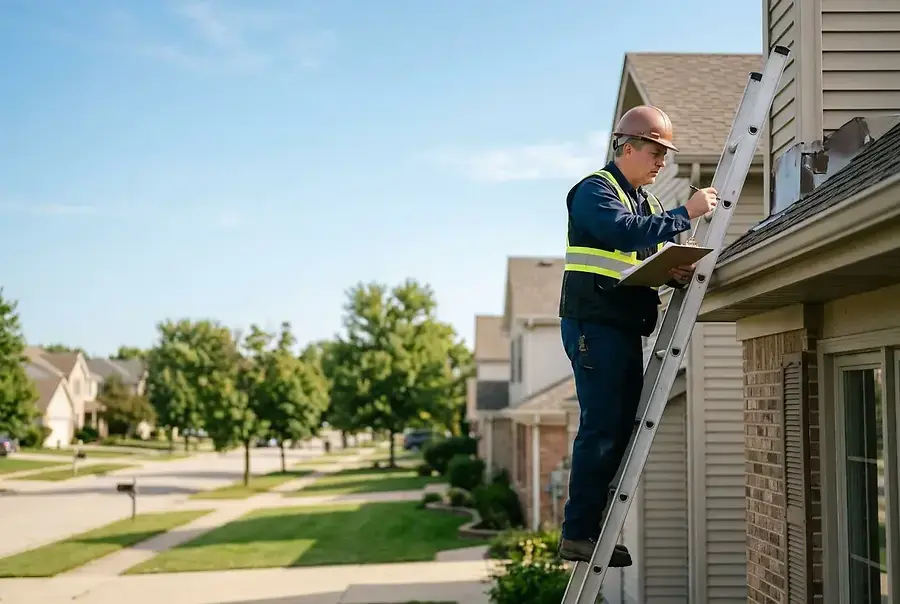
Why Home Inspections Matter in Tinley Park's Real Estate Market
Purchasing a home is one of the most significant investments you'll make in your lifetime. In Tinley Park's competitive real estate market, a thorough home inspection is not just a formality—it's a critical safeguard for your financial future. A professional inspection can uncover hidden issues that could cost thousands of dollars to repair after closing, giving you the leverage to negotiate repairs or price adjustments before you sign the final papers.
Home inspections provide peace of mind and empower buyers with detailed knowledge about their potential property. Whether you're a first-time homebuyer or an experienced investor, understanding what inspectors look for helps you ask the right questions and make informed decisions about your Tinley Park home purchase.
Essential Systems to Inspect: Roof, Foundation, Plumbing & HVAC
Roof Condition and Integrity
The roof is your home's first line of defense against the elements. During an inspection, professionals examine:
- Shingle condition and signs of wear, curling, or missing pieces
- Flashing around chimneys, vents, and skylights
- Gutters and downspouts for proper drainage
- Evidence of leaks or water damage in the attic
- Overall roof age and remaining lifespan
A roof replacement can cost $10,000 to $25,000 or more, making this inspection point crucial for your budget planning.
Foundation Stability and Structural Integrity
The foundation supports your entire home. Inspectors look for:
- Cracks in concrete or masonry, particularly horizontal or stair-step patterns
- Signs of settling or shifting in the structure
- Water intrusion or moisture in the basement or crawl space
- Proper grading around the foundation to direct water away
- Evidence of previous repairs or reinforcement
Foundation issues are serious and expensive to repair, so this is an area where you want expert evaluation and potentially a specialized foundation inspector if concerns arise.
Plumbing Systems
Water is essential, but water damage is expensive. Inspectors evaluate:
- Water pressure and flow from fixtures
- Pipe material and condition (galvanized, copper, PVC, or PEX)
- Signs of leaks under sinks and around toilets
- Sewer line integrity and proper drainage
- Water heater age, condition, and capacity
- Presence of backflow prevention devices
Older homes may have outdated plumbing that requires updating, which is important to factor into your purchase decision.
HVAC Systems
Heating, ventilation, and air conditioning systems keep your home comfortable year-round. Inspectors check:
- Furnace or boiler age and operational efficiency
- Air conditioning unit condition and refrigerant levels
- Ductwork for leaks, blockages, or poor insulation
- Thermostat functionality and type
- Maintenance records and service history
- Proper ventilation and air quality considerations
HVAC systems typically last 15-20 years, so knowing the age helps you budget for future replacement.
Environmental Factors Specific to Tinley Park: Flooding, Soil Conditions & Local Building Codes
Flooding and Water Management
Tinley Park's location requires special attention to water management. The area has experienced flooding concerns in certain neighborhoods, making it essential to:
- Review flood maps and determine if the property is in a flood zone
- Ask about previous flooding or water damage history
- Inspect sump pump systems and battery backups
- Evaluate drainage systems and grading around the property
- Check for proper installation of backwater valves in sewer lines
- Understand flood insurance requirements and costs
Flood damage can be catastrophic and expensive, so this inspection point deserves careful attention and potentially a specialized water damage assessment.
Soil Conditions and Stability
Tinley Park's soil composition affects foundation stability and drainage. Inspectors and soil engineers examine:
- Soil type and its bearing capacity
- Drainage characteristics and water retention
- Potential for settling or shifting over time
- Presence of expansive clay soils that can cause foundation movement
- Proper slope and grading for water management
Understanding local soil conditions helps explain any foundation concerns and informs long-term maintenance strategies.
Local Building Codes and Compliance
Tinley Park has specific building codes and regulations that affect property standards. During inspection, verify:
- Electrical systems meet current code requirements
- Proper permits were obtained for any renovations or additions
- Insulation levels meet energy efficiency standards
- Safety features like smoke detectors and carbon monoxide detectors are installed
- Deck and railing construction meets safety codes
- Any unpermitted work that might affect insurability or resale value
Non-compliant work can create liability issues and affect your ability to sell or refinance, making this verification essential.
Using Inspection Reports to Make Confident Buying Decisions
Once you receive the inspection report, take time to review it thoroughly. Don't ignore minor issues—they can compound over time. Use the report as a negotiation tool:
- Request repairs for significant issues before closing
- Negotiate credits for items you'll repair yourself
- Ask for extended warranties on major systems
- Request documentation of recent repairs or maintenance
Consider hiring specialized inspectors for concerns flagged in the general inspection. A foundation specialist, mold inspector, or radon test can provide additional peace of mind for specific issues.
Remember: A thorough home inspection is an investment in your future. The few hundred dollars spent on inspection can save you thousands in unexpected repairs and provide invaluable confidence in your Tinley Park home purchase.
By understanding what to look for and working with qualified professionals, you'll make a confident, informed decision about your new home. Don't rush the inspection process—it's your opportunity to uncover any issues before they become your responsibility.


