Top Neighborhoods for Mixed-Use Development in Greater Boston
Discover which communities in the MetroWest region offer the best opportunities for residential and commercial real estate investors.
Introduction: The Growing Appeal of Mixed-Use Properties in MetroWest
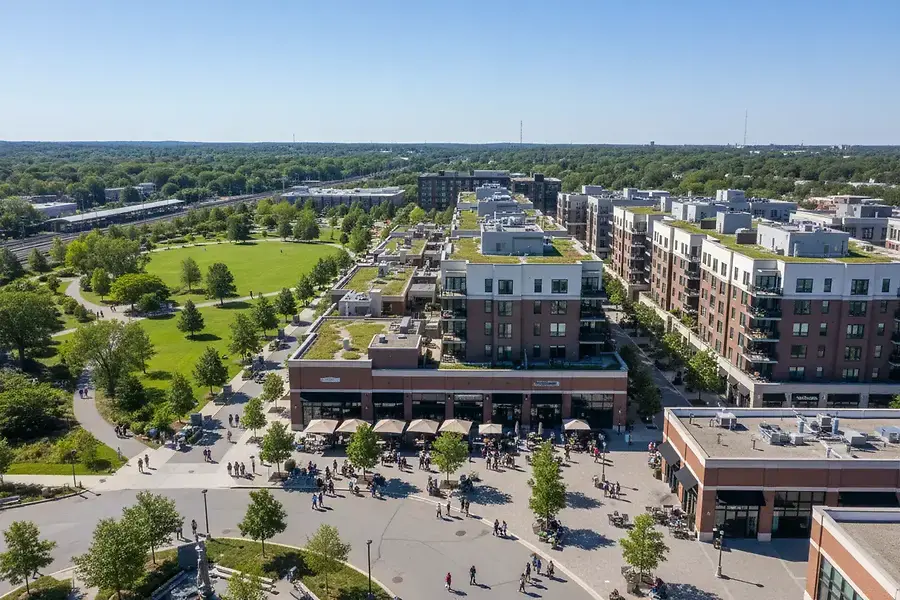
The MetroWest region of Greater Boston has emerged as a dynamic hub for real estate investment, particularly in mixed-use development. As urban professionals seek alternatives to downtown living while maintaining access to employment centers and amenities, communities throughout the area are experiencing unprecedented growth. Mixed-use properties—combining residential, commercial, and retail spaces—have become increasingly attractive to both developers and investors looking to capitalize on this shifting market demand.
The appeal of mixed-use developments lies in their ability to create vibrant, walkable communities that serve multiple purposes. These properties generate diverse revenue streams, reduce vacancy risks, and contribute to the revitalization of neighborhoods. For investors seeking to position themselves strategically in the MetroWest market, understanding which communities offer the greatest potential is essential.
High-Demand Communities for Residential-Commercial Investments
Framingham: The Regional Hub
Framingham stands out as a premier destination for mixed-use development in MetroWest. With its central location, robust transportation infrastructure, and diverse population, the city attracts both residential and commercial tenants. The downtown area has undergone significant revitalization, with new residential units complementing established retail and office spaces. Key advantages include proximity to Route 128, access to the MBTA commuter rail, and a strong employment base.
Natick: Upscale Mixed-Use Opportunities
Natick has positioned itself as an upscale destination for mixed-use development. The community's affluent demographics and strong retail presence create ideal conditions for premium residential-commercial projects. The Natick Mall area and downtown corridor offer particularly promising development sites where developers can blend high-end residential units with boutique retail and dining establishments.
Wellesley: Affluent Market Appeal
Known for its wealth and quality of life, Wellesley attracts investors seeking to develop mixed-use properties in an upscale setting. The town's commitment to maintaining community character while allowing thoughtful development creates opportunities for sophisticated projects. Residential units paired with professional services and specialty retail can command premium pricing in this market.
Waltham: Innovation and Accessibility
Waltham's proximity to major employment centers and its growing reputation as a tech hub make it an attractive location for mixed-use development. The city offers more affordable entry points than some neighboring communities while maintaining strong demand for both residential and commercial space. The Route 128 corridor presence and emerging startup ecosystem enhance investment potential.
Needham: Suburban Sophistication
Needham combines suburban charm with urban accessibility, making it ideal for mixed-use projects targeting professionals and families. The community's strong schools, safety record, and quality of life attract residents willing to pay premium prices for well-designed residential-commercial developments. Downtown revitalization efforts have created momentum for new projects.
Market Trends and Investment Potential in These Locations
Rising Demand for Live-Work-Play Communities
Today's consumers increasingly seek neighborhoods where they can live, work, and enjoy entertainment without extensive commuting. This trend directly benefits mixed-use developments in MetroWest communities. Properties that successfully integrate residential, office, and retail components see higher occupancy rates and stronger tenant retention. Investors who understand this preference can position their projects to capture this growing market segment.
Remote Work Flexibility Reshaping Real Estate
The shift toward flexible work arrangements has fundamentally altered real estate demand patterns. While some professionals work entirely from home, others seek hybrid arrangements requiring occasional office access. Mixed-use developments that include flexible office spaces, co-working facilities, and residential units are particularly well-positioned to serve this evolving workforce. MetroWest communities benefit from this trend as they offer more affordable alternatives to downtown Boston while maintaining connectivity.
Retail Evolution and Adaptive Reuse
Traditional retail has faced challenges, but mixed-use developments offer solutions through adaptive reuse and diversification. Successful projects combine residential units with experiential retail, dining, and entertainment venues that draw foot traffic.
Properties that blend traditional retail with restaurants, fitness centers, and entertainment venues create destinations rather than mere shopping centers.This approach significantly enhances investment returns and community appeal.
Transportation and Walkability as Value Drivers
Proximity to public transportation and walkable street networks substantially increase property values and tenant demand. MetroWest communities with strong transit connections—particularly those served by commuter rail or major bus routes—command premium pricing for mixed-use developments. Investors should prioritize locations where residents can access employment centers, shopping, and entertainment without relying solely on personal vehicles.
Demographic Shifts Supporting Investment
Millennials and Gen Z residents increasingly prefer urban and suburban environments offering walkability and community engagement over traditional suburban sprawl. Additionally, empty-nesters seeking to downsize while maintaining access to amenities represent another growing market segment. These demographic trends support strong demand for well-designed mixed-use properties throughout MetroWest.
Financing and Development Incentives
Many MetroWest communities actively encourage mixed-use development through tax incentives, expedited permitting, and public-private partnerships. Investors should investigate local incentive programs, as these can significantly improve project economics and reduce development timelines. Communities competing for development activity often offer attractive packages to qualified developers.
Conclusion: Positioning Yourself as an Expert in MetroWest Real Estate
The MetroWest region presents compelling opportunities for investors focused on mixed-use development. Communities like Framingham, Natick, Wellesley, Waltham, and Needham offer distinct advantages based on their demographics, location, and market positioning. Success in this market requires understanding local market dynamics, recognizing emerging trends, and identifying properties positioned to capture growing demand for integrated residential-commercial communities.
To establish yourself as an expert in MetroWest real estate, focus on:
- Deep market knowledge: Understand each community's zoning regulations, development incentives, and demographic trends
- Trend awareness: Stay informed about shifting consumer preferences and workplace evolution
- Network development: Build relationships with local developers, municipal officials, and fellow investors
- Project analysis: Develop strong analytical skills to evaluate mixed-use development potential and financial returns
- Community engagement: Understand local concerns and demonstrate commitment to creating developments that enhance neighborhood character
The MetroWest market continues to evolve, with mixed-use development representing one of the most dynamic and rewarding investment categories. By focusing on high-demand communities and understanding the market forces driving investment potential, you can position yourself as a knowledgeable, successful investor in this thriving region.