Top Residential Investment Neighborhoods Across Greater Tulsa
Discover which neighborhoods in the Tulsa metro area offer the best long-term appreciation and investment potential for residential buyers.

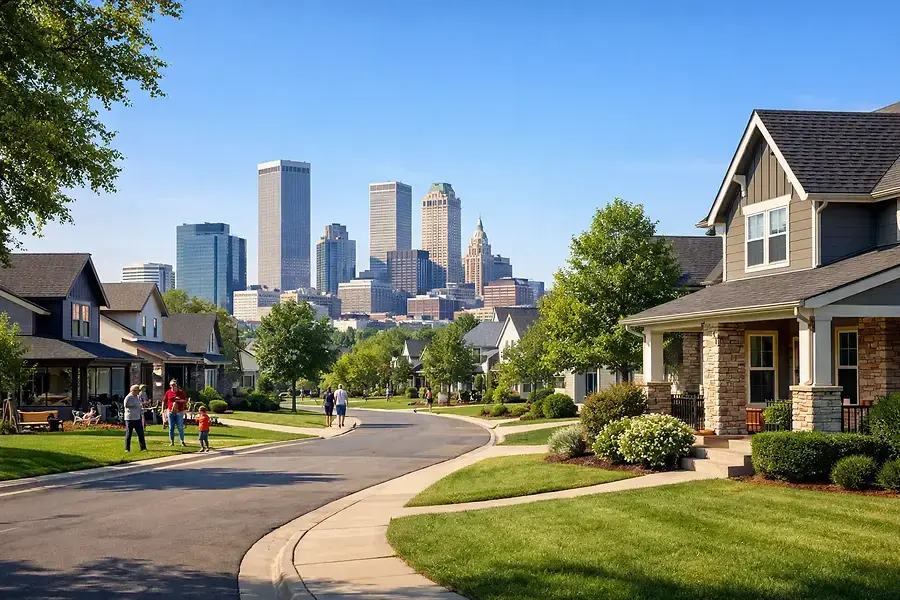
Understanding Real Estate Investment in Greater Tulsa
The Greater Tulsa metropolitan area has emerged as a compelling destination for residential real estate investors seeking strong returns and long-term appreciation potential. With a diverse economy, affordable entry points compared to national averages, and steady population growth, Tulsa offers unique opportunities for both seasoned investors and first-time homebuyers looking to build wealth through property ownership.
The region's real estate market has demonstrated resilience and growth, driven by factors such as job creation, infrastructure improvements, and an influx of young professionals relocating to the area. Understanding which neighborhoods offer the best investment potential requires careful analysis of market trends, property values, and future development plans.
Comparing Property Values and Growth Trends Across Suburbs
Midtown and Downtown Tulsa
The revitalization of Midtown and Downtown Tulsa has created exceptional investment opportunities. These urban neighborhoods have experienced significant property appreciation as developers invest in mixed-use projects, restaurants, and entertainment venues. Young professionals are increasingly drawn to these walkable communities, driving demand for both residential and commercial properties.
- Average appreciation rates: Consistently outpacing suburban averages
- Rental demand: High, particularly among young professionals and empty nesters
- Development momentum: Ongoing revitalization projects and infrastructure improvements
Broken Arrow
Broken Arrow has become one of the most sought-after suburban communities in the Tulsa metro area. The city's excellent school system, planned community developments, and strong job market have attracted families and investors alike. Property values have shown steady appreciation, with new construction and established neighborhoods both offering solid investment potential.
- School ratings: Among the highest in the region
- Population growth: Consistent year-over-year expansion
- New development: Multiple master-planned communities in various stages of completion
Jenks
Jenks combines small-town charm with suburban convenience, making it attractive to families and investors. The community's focus on quality of life, excellent schools, and strategic location along the Arkansas River corridor have contributed to steady property value growth. The area's investment appeal is further enhanced by ongoing commercial development and recreational amenities.
- Quality of life: Highly rated parks, trails, and community programs
- School system: Consistently recognized for academic excellence
- River corridor development: Enhancing property values and community appeal
Bixby
Bixby offers investors a balance of affordability and growth potential. Located south of Tulsa, this community has experienced significant population growth as families seek more spacious properties and lower price points. The city's investment in infrastructure and amenities has positioned it well for continued appreciation.
- Affordability: More accessible entry prices compared to neighboring communities
- Growth trajectory: Rapid population expansion and new construction
- Infrastructure investment: Ongoing improvements to roads and public facilities
Key Factors Influencing Residential Investment Returns in the Region
Employment and Economic Growth
The strength of the local job market directly impacts residential real estate values. Greater Tulsa's diverse economy, with major employers in energy, healthcare, technology, and manufacturing, provides stability and attracts talent. Areas with proximity to major employment centers typically experience stronger property appreciation.
School Quality and Family Appeal
School district ratings remain one of the most significant factors driving residential property values. Neighborhoods with top-rated schools consistently command premium prices and experience stronger demand from family-oriented buyers. Investors should prioritize communities with excellent educational institutions when seeking long-term appreciation potential.
Infrastructure and Development Plans
Future infrastructure projects, including road expansions, public transportation improvements, and commercial development, can significantly impact property values. Savvy investors monitor city planning documents and development proposals to identify neighborhoods poised for growth before property values fully reflect future improvements.
Population Demographics and Migration Patterns
Understanding who is moving to Greater Tulsa helps identify neighborhoods with strong demand. The region has attracted young professionals, remote workers, and families relocating from higher-cost markets. Neighborhoods that appeal to these demographic groups typically show stronger appreciation potential.
Rental Market Dynamics
For investors considering rental properties, understanding local rental demand and rates is crucial. Urban neighborhoods and communities near major employers typically offer stronger rental yields.
The rental market in Greater Tulsa has become increasingly competitive, with strong demand from both long-term renters and short-term vacation rental markets in select neighborhoods.
Property Condition and Age
The age and condition of properties in a neighborhood affect both appreciation potential and maintenance costs. Established neighborhoods with well-maintained homes may offer stability, while areas with newer construction or revitalization projects may offer higher growth potential. Investors should evaluate the housing stock carefully when assessing long-term value.
Making Informed Investment Decisions in Your Target Market
Successful residential real estate investment in Greater Tulsa requires thorough research and strategic planning. Start by identifying your investment goals—whether you're seeking long-term appreciation, rental income, or a combination of both—and then match those goals with neighborhoods that align with your objectives.
Consider working with local real estate professionals who understand market nuances and can provide insights into neighborhood-specific trends. Analyze comparable sales data, review future development plans, and assess demographic trends to make informed decisions.
The Greater Tulsa real estate market offers diverse opportunities across multiple neighborhoods, each with unique strengths and investment potential. By understanding the factors that drive property values and carefully evaluating neighborhoods against your investment criteria, you can position yourself to capitalize on the region's growth and build substantial wealth through residential real estate.
Whether you're drawn to the urban energy of revitalized downtown areas or the family-friendly appeal of established suburbs, Greater Tulsa's residential market provides pathways to solid investment returns and long-term financial success.


