Twin Cities Real Estate Market Trends: Where to Invest in 2025
Discover which suburban and urban neighborhoods across the Twin Cities offer the best opportunities for residential and commercial property investments.

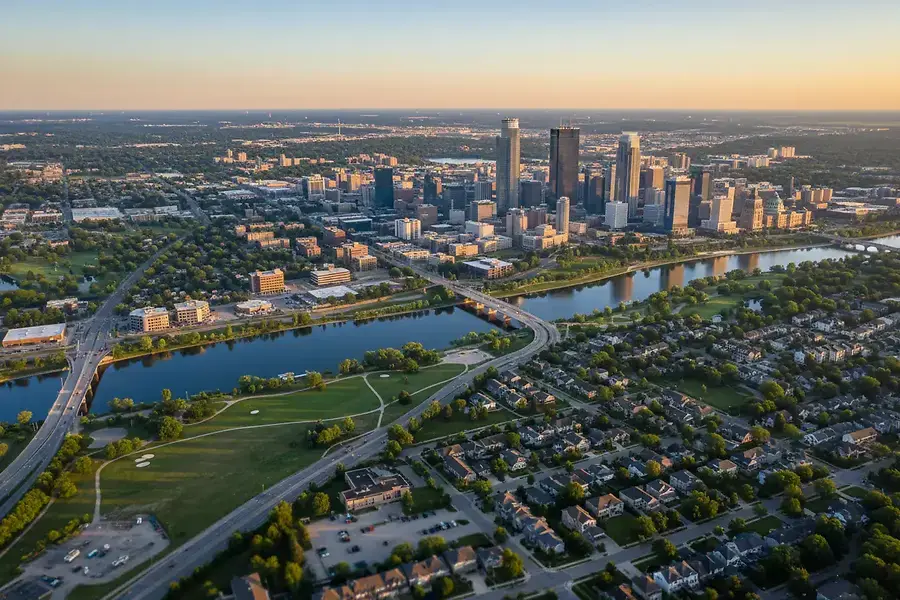
Understanding the Current Twin Cities Real Estate Landscape
The Twin Cities real estate market continues to demonstrate resilience and growth, attracting investors from across the nation. Minneapolis and St. Paul have established themselves as dynamic economic hubs, with diverse industries driving demand for both residential and commercial properties. The market has evolved significantly, with shifting preferences toward mixed-use developments, sustainable building practices, and neighborhood revitalization projects.
Key factors shaping the current landscape include:
- Population Growth: The Twin Cities metropolitan area continues to attract new residents, creating sustained demand for housing across all price points.
- Economic Diversification: Beyond traditional industries, tech startups and healthcare innovations are fueling commercial real estate demand.
- Infrastructure Development: Ongoing improvements to transportation networks are opening new investment corridors.
- Interest Rate Environment: Market conditions are creating opportunities for strategic investors to negotiate favorable terms.
Understanding these fundamentals is essential for making informed investment decisions in this competitive market.
Top Investment Neighborhoods: From Minneapolis to the Outer Ring
Urban Core Opportunities
Downtown Minneapolis and the surrounding neighborhoods remain prime investment territory. The North Loop district has transformed into a vibrant mixed-use destination with loft conversions, restaurants, and retail spaces attracting both residents and businesses. Investors should focus on properties near light rail stations, as transit-oriented development continues to drive appreciation.
St. Paul's Cathedral Hill and Summit-University neighborhoods offer excellent value propositions. These established communities feature historic charm combined with modern amenities, making them attractive to young professionals and families alike.
Emerging Suburban Markets
The outer ring suburbs present compelling opportunities for investors seeking higher yields. Edina, Bloomington, and Minnetonka have established themselves as desirable residential markets with strong school systems and stable property values. These communities are experiencing renewed interest as remote work flexibility allows professionals to prioritize quality of life.
Southwest suburbs like Wayzata and Excelsior offer waterfront properties and premium lifestyle amenities that appeal to affluent buyers. Meanwhile, northern suburbs such as Maple Grove and Plymouth are experiencing significant commercial development, with new office parks and retail centers creating investment opportunities.
Up-and-Coming Neighborhoods
Smart investors are looking beyond traditional hotspots. Areas like Northeast Minneapolis and West St. Paul are experiencing revitalization with:
- Affordable entry prices compared to established neighborhoods
- Active community development initiatives
- Growing small business ecosystems
- Improved walkability and public spaces
The best investment opportunities often exist in neighborhoods on the cusp of transformation, where early investors can capture significant appreciation as communities mature.
Residential vs. Commercial: Finding Your Market Fit
Residential Investment Strategies
Single-family homes remain a cornerstone of Twin Cities residential investment. The market shows strong demand for properties in the $300,000 to $500,000 range, particularly in suburbs with excellent schools. Multi-family properties, including duplexes and small apartment buildings, offer attractive cash flow potential for investors seeking regular income streams.
Key considerations for residential investors:
- Rental Demand: Strong tenant demand supports consistent occupancy rates and rental growth.
- Property Management: Consider whether you'll self-manage or hire professional property management services.
- Renovation Potential: Properties with value-add opportunities can generate significant returns.
- Market Timing: Seasonal fluctuations affect both purchase prices and rental rates.
Commercial Real Estate Opportunities
The commercial sector offers diverse investment vehicles. Office spaces in transit-oriented locations continue to attract tenants, particularly companies seeking flexible, modern workspaces. Retail properties near growing residential areas show promise, especially those with strong anchor tenants.
Industrial and logistics properties have become increasingly attractive as e-commerce drives demand for warehouse and distribution facilities. The Twin Cities' central location makes it an ideal hub for regional distribution networks.
Mixed-Use Development Potential
Mixed-use properties combining residential, retail, and office space represent the future of urban real estate. These developments appeal to investors seeking diversified income streams and are particularly attractive in neighborhoods undergoing revitalization. Ground-floor retail with residential or office space above creates vibrant streetscapes that attract premium tenants and residents.
Making Your Move: Next Steps for Buyers and Investors
Due Diligence and Market Research
Before committing capital, conduct thorough market research. Analyze comparable sales, rental rates, and neighborhood trends. Work with local real estate professionals who understand Twin Cities market nuances and can provide insights into emerging opportunities.
Key research steps include:
- Reviewing recent sales data and price trends
- Analyzing rental rates and occupancy statistics
- Examining neighborhood demographic shifts
- Investigating planned infrastructure projects
- Understanding local zoning and development regulations
Financial Planning and Financing
Secure financing before making offers. The Twin Cities market moves quickly, and pre-approval demonstrates serious intent to sellers. Consider various financing options, including traditional mortgages, investment property loans, and partnership structures. Calculate your expected return on investment, accounting for property taxes, maintenance, insurance, and vacancy rates.
Building Your Investment Team
Success in real estate investing requires a strong support network. Assemble a team including:
- A knowledgeable real estate agent specializing in investments
- A qualified accountant familiar with real estate tax strategies
- An experienced real estate attorney
- A property inspector and appraiser
- A property manager (if pursuing rental properties)
Taking Action
The Twin Cities real estate market offers abundant opportunities for informed investors. Whether you're interested in residential properties, commercial ventures, or mixed-use developments, success requires careful planning, thorough research, and decisive action. Start by identifying neighborhoods that align with your investment goals and risk tolerance, then work with qualified professionals to evaluate specific opportunities.
The market rewards investors who combine local market knowledge with strategic thinking. By understanding current trends and positioning yourself in emerging neighborhoods, you can build a profitable real estate portfolio in the Twin Cities.


