Twin Cities Residential Market: Price Trends Across 23 Popular Neighborhoods
Discover how home values are shifting in your favorite Twin Cities suburbs and what it means for your real estate decisions.

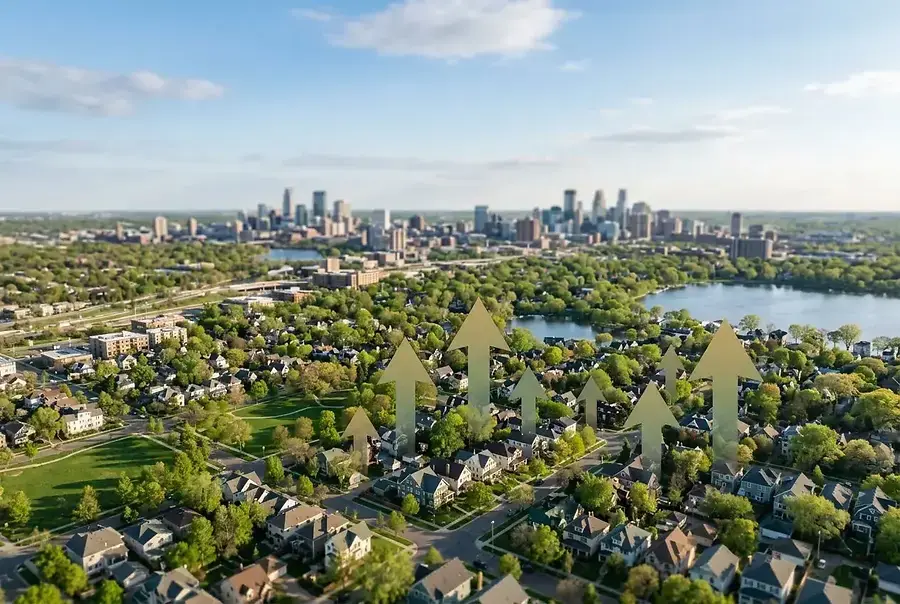
Introduction: Understanding the Twin Cities Housing Market Landscape
The Twin Cities residential market continues to evolve, presenting both opportunities and challenges for homebuyers, sellers, and investors. With 23 neighborhoods showing distinct price movements and market dynamics, understanding these trends is essential for making informed real estate decisions. Whether you're a first-time homebuyer searching for affordability or an investor seeking growth potential, the current market offers diverse options across Minneapolis and St. Paul suburbs.
The Twin Cities housing market reflects broader economic patterns, including interest rate fluctuations, population migration, and neighborhood development initiatives. By examining price trends across multiple communities, we can identify which areas are experiencing rapid appreciation and where savvy buyers might find exceptional value.
Price Appreciation Patterns: Which Neighborhoods Are Growing Fastest
High-Growth Neighborhoods
Several Twin Cities neighborhoods are experiencing notable price appreciation, driven by factors such as new infrastructure development, improved schools, and increased demand from young professionals. These communities are attracting attention from investors and families alike, resulting in competitive bidding and rising home values.
- Southwest Minneapolis Suburbs: Communities in this region have seen consistent appreciation, with many homes appreciating 8-12% annually. The combination of excellent schools, parks, and proximity to downtown Minneapolis makes these areas particularly attractive.
- St. Paul's East Side: Historic neighborhoods with updated amenities are drawing renewed interest, with selective properties experiencing strong appreciation as revitalization efforts continue.
- Northern Suburbs: Areas like Edina, Wayzata, and Minnetonka continue to command premium prices, with steady appreciation reflecting their established reputation and desirable amenities.
Emerging Growth Areas
Beyond the traditionally hot markets, several emerging neighborhoods are beginning to show impressive growth potential. These communities offer earlier-stage appreciation opportunities for investors and buyers willing to look beyond the most established areas.
"The most successful real estate investors are those who recognize emerging neighborhoods before they become mainstream," according to local market analysts. These areas typically offer better entry prices while still providing solid appreciation potential.
Neighborhoods experiencing revitalization through new commercial development, improved transit access, and community investment initiatives are particularly promising. First-time homebuyers and value-conscious investors should monitor these areas closely.
Affordability Comparison: Finding Value in Popular Twin Cities Communities
Budget-Friendly Neighborhoods
For buyers prioritizing affordability, several Twin Cities neighborhoods still offer reasonable entry prices while maintaining strong community fundamentals. These areas provide excellent value propositions for those willing to consider less mainstream locations.
- South Minneapolis Communities: Certain neighborhoods offer median prices 15-20% below the Twin Cities average while providing good schools and community services.
- St. Paul's West Side: Diverse, vibrant communities with lower price points and increasing investment in local infrastructure.
- Outer Ring Suburbs: Communities further from downtown offer significantly lower prices while still providing suburban amenities and reasonable commute times.
Value-to-Price Ratio Analysis
The best real estate investments aren't always in the most expensive neighborhoods. By analyzing the relationship between price and amenities—including school quality, park access, commute times, and community services—buyers can identify neighborhoods offering exceptional value.
Key metrics to consider:
- Price per square foot compared to neighborhood averages
- School district ratings and performance trends
- Proximity to employment centers and transit options
- Community investment and development plans
- Historical appreciation rates and market momentum
Mixed-Value Communities
Many Twin Cities neighborhoods offer a mix of price points, allowing buyers to find properties that match their budget while still accessing desirable areas. These communities often feature diverse housing stock, from starter homes to luxury properties, creating opportunities for various buyer profiles.
Conclusion: Using Market Data to Guide Your Next Real Estate Move
The Twin Cities residential market presents a complex but navigable landscape. Whether you're seeking rapid appreciation, steady growth, or affordable entry into homeownership, understanding neighborhood-specific trends is crucial for success.
Key takeaways for your real estate decisions:
- Established neighborhoods continue to appreciate steadily, offering stability and proven value retention
- Emerging areas present growth opportunities for patient investors and forward-thinking buyers
- Affordability remains available in select neighborhoods without sacrificing quality of life
- Market fundamentals—schools, amenities, and community investment—matter more than price alone
- Individual property condition and location within neighborhoods significantly impact long-term value
Before making your next real estate move, take time to research neighborhoods thoroughly, consider your long-term goals, and evaluate how specific communities align with your lifestyle and financial objectives. The Twin Cities market rewards informed decision-making, and with 23 distinct neighborhoods to choose from, there's likely an excellent option for your unique situation.
Whether you're buying your first home, upgrading to a larger property, or investing for future growth, the current Twin Cities market offers opportunities across multiple price points and neighborhood profiles. By understanding these trends and doing your homework, you can make confident decisions that align with both your immediate needs and long-term financial goals.