Twin Cities Suburbs: Neighborhood Features That Impact Home Prices
Discover which suburban amenities and characteristics drive residential values across the Twin Cities metro area.

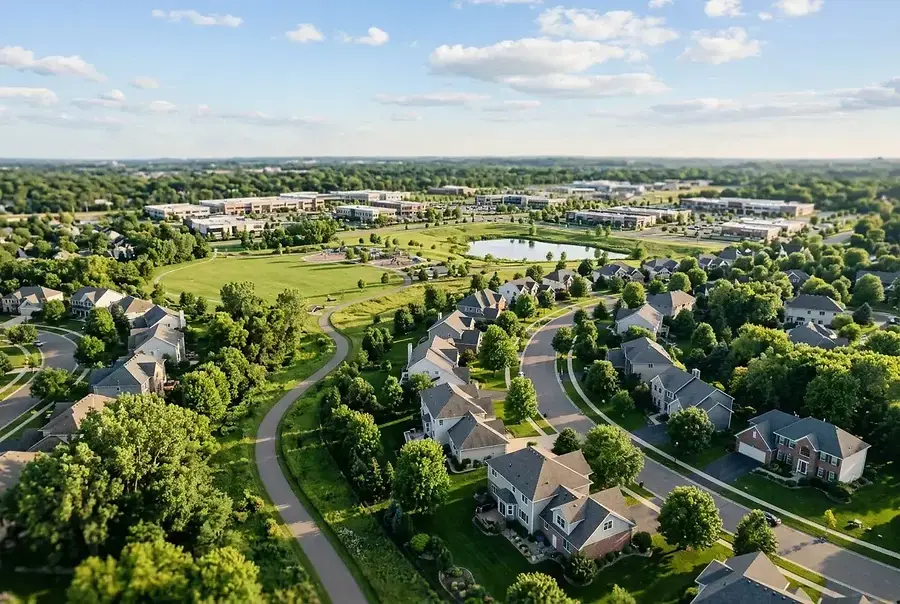
What Makes Twin Cities Suburbs Valuable
The Twin Cities metropolitan area has experienced significant growth over recent years, with suburban communities becoming increasingly attractive to homebuyers seeking space, quality schools, and vibrant neighborhoods. However, not all suburbs are created equal. Home prices vary dramatically across the region, and understanding what drives these differences is essential for both buyers and investors.
Several key factors influence residential values in Twin Cities suburbs. School district quality, proximity to employment centers, access to parks and recreation, and community amenities all play crucial roles in determining property values. Additionally, the age and condition of homes, lot sizes, and neighborhood demographics contribute to the overall desirability of a community.
Whether you're a first-time homebuyer, an investor, or someone looking to relocate within the metro area, understanding these neighborhood features can help you make informed decisions about where to invest your money.
Neighborhood Amenities and Their Effect on Home Prices
School District Quality
One of the most significant factors affecting home prices in Twin Cities suburbs is school district quality. Families with children prioritize excellent schools, and homes in top-rated school districts command premium prices. Districts known for high test scores, strong graduation rates, and innovative programs attract buyers willing to pay more for homes in those areas.
Parks, Recreation, and Outdoor Spaces
Access to parks, trails, and recreational facilities significantly impacts property values. Communities with extensive trail systems, well-maintained parks, and outdoor amenities appeal to active families and individuals. The presence of:
- Regional parks and nature preserves
- Walking and biking trails
- Community pools and recreation centers
- Sports facilities and athletic complexes
- Waterfront access and beach areas
These features can increase home values by 5-15% compared to neighborhoods without similar amenities.
Retail, Dining, and Entertainment
The availability of shopping centers, restaurants, and entertainment venues influences neighborhood appeal. Suburbs with vibrant downtown areas or mixed-use developments that combine retail, dining, and residential spaces tend to have stronger home values. Walkability to these amenities is increasingly important to modern homebuyers.
Commute Times and Transportation Access
Proximity to major employment centers and highway access directly impacts home prices. Communities with shorter commute times to downtown Minneapolis and St. Paul, or those with convenient access to I-494, I-694, and I-90, typically command higher prices. Public transportation options also add value to suburban properties.
Community Safety and Character
Low crime rates and strong community character are essential for attracting homebuyers. Neighborhoods with active homeowner associations, community events, and a sense of belonging create desirable living environments that support higher property values.
Comparing Lifestyle Features Across 18 Key Twin Cities Communities
Premium Communities
Communities like Edina, Wayzata, and Bloomington represent the upper tier of Twin Cities suburbs. These areas offer excellent schools, abundant parks, upscale shopping and dining, and strong community amenities. Homes in these communities typically range from $400,000 to over $1 million, reflecting their premium positioning.
Value-Oriented Communities
For buyers seeking good value without sacrificing quality, communities like Maple Grove, Plymouth, and Minnetonka offer excellent schools and amenities at more moderate price points. These suburbs provide strong fundamentals—good schools, parks, and shopping—while remaining more affordable than premium communities.
Emerging Communities
Suburbs like Lakeville, Woodbury, and Blaine are experiencing rapid growth and development. These communities offer newer construction, modern amenities, and competitive pricing, making them attractive to families and investors seeking growth potential.
Key Amenity Comparison
When evaluating Twin Cities suburbs, consider these essential features:
- School Rankings: Check state test scores and graduation rates
- Park Access: Evaluate proximity to trails, parks, and recreation centers
- Commute Times: Calculate drive times to your workplace
- Retail and Dining: Assess shopping and restaurant options
- Community Events: Look for active community calendars and events
- Crime Rates: Review safety statistics and trends
- Home Values: Compare price trends and appreciation potential
Using Neighborhood Insights to Find Your Best Investment
Finding the right Twin Cities suburb requires balancing your priorities with market realities.
The best neighborhood for you depends on your lifestyle, family needs, budget, and investment goals.
Start by identifying your non-negotiables. Do you need top-rated schools? Is walkability essential? How important is proximity to employment centers? Once you've clarified your priorities, research communities that align with your needs.
Consider the long-term perspective. While premium communities command higher prices, they often appreciate steadily due to consistent demand. Value-oriented communities may offer better appreciation potential as they develop and improve. Emerging communities present growth opportunities but carry more uncertainty.
Work with local real estate professionals who understand Twin Cities neighborhoods intimately. They can provide insights into community trends, upcoming developments, and market dynamics that aren't apparent from online research alone.
Finally, visit potential neighborhoods at different times of day and on weekends. Walk the streets, visit parks, and talk to residents. This firsthand experience often reveals aspects of a community that statistics cannot capture.
The Twin Cities suburbs offer diverse options for every lifestyle and budget. By understanding how neighborhood features impact home prices and carefully evaluating communities against your priorities, you can find the perfect suburban home that meets your needs and represents a sound investment for your future.


