Twin Cities Suburbs: Which Market Fits Your Investment Goals
Explore how Minneapolis-Saint Paul's diverse neighborhoods offer unique opportunities for residential, commercial, and mixed-use real estate investors.

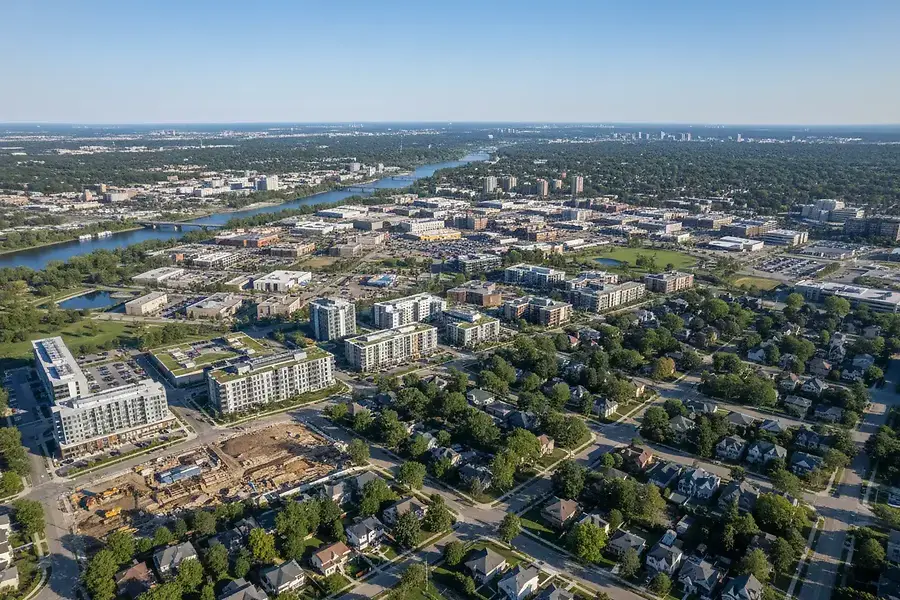
Introduction: Understanding the Twin Cities Real Estate Landscape
The Minneapolis-Saint Paul metropolitan area has emerged as one of the most dynamic real estate markets in the Midwest. With a robust economy, strong population growth, and diverse neighborhood characteristics, the Twin Cities offer compelling opportunities for investors across multiple property types and investment strategies. Whether you're seeking steady residential income, commercial expansion potential, or mixed-use development opportunities, understanding the nuances of each market segment is essential to making informed investment decisions.
The Twin Cities market is characterized by its geographic diversity, ranging from established urban neighborhoods to rapidly developing suburban corridors. Each area presents distinct advantages, challenges, and growth trajectories that can significantly impact your investment returns. By exploring the residential, commercial, and mixed-use opportunities available throughout the metro, you can position yourself to capitalize on the region's continued expansion.
Residential Markets: Family-Friendly Communities and Investment Potential Across the Metro
Suburban Growth Corridors
The residential markets in Twin Cities suburbs have experienced consistent appreciation over recent years. Communities like Edina, Wayzata, and Bloomington continue to attract families seeking quality schools, safe neighborhoods, and convenient access to employment centers. These established suburbs offer stable rental markets and strong owner-occupancy demand, making them ideal for investors seeking predictable cash flow and long-term appreciation.
Emerging suburban areas present equally compelling opportunities for growth-focused investors. Communities along the I-494 and I-35W corridors are experiencing rapid development, with new housing construction and improving infrastructure attracting younger families and professionals. These areas typically offer lower entry prices compared to established suburbs while providing significant upside potential as amenities and services expand.
Multi-Family Investment Opportunities
The Twin Cities multi-family market has attracted significant institutional investment, reflecting strong fundamentals and consistent demand. Suburban apartment complexes and townhome communities continue to command healthy occupancy rates and rental growth. The region's diverse employment base—spanning healthcare, technology, retail, and professional services—creates sustained demand for rental housing across price points.
- Class A Properties: Premium apartments in established suburbs command premium rents and attract quality tenants with stable employment.
- Class B/C Properties: Value-add opportunities exist in well-located properties that benefit from neighborhood improvements and market appreciation.
- Townhome Communities: Suburban townhome developments appeal to families and young professionals seeking homeownership with lower maintenance requirements.
Single-Family Rental Markets
Single-family homes remain a cornerstone of Twin Cities residential investment. Suburban neighborhoods offer diverse single-family options, from starter homes attracting first-time buyers to premium properties appealing to established families. The region's strong employment market and quality-of-life factors support sustained demand for single-family rentals, particularly in communities with excellent schools and recreational amenities.
Commercial and Mixed-Use Opportunities: Growing Corridors in Expanding Suburbs
Retail and Service Centers
Commercial real estate in Twin Cities suburbs is experiencing a transformation as consumer preferences and retail trends evolve. Traditional shopping centers are being reimagined with mixed-use components, while new retail developments focus on experiential and service-oriented businesses. Suburban corridors with strong demographic fundamentals continue to attract national retailers and local businesses seeking accessible, affordable locations.
Key commercial corridors include:
- Highway 169 and 494 intersections in the western suburbs
- I-35W commercial nodes in the southern metro
- Highway 61 and 494 areas in the eastern suburbs
- Emerging tech and office parks near major employment centers
Office and Flex Space Development
The Twin Cities office market is adapting to post-pandemic workplace trends, with suburban office parks and flex spaces gaining traction. Companies seeking cost-effective alternatives to downtown locations are increasingly establishing operations in suburban office parks. These properties offer investors stable tenancy from established businesses while providing flexibility for evolving workplace needs.
Flex and industrial spaces have become particularly attractive as e-commerce and logistics continue to drive demand. Suburban locations with highway access and reasonable land costs provide ideal settings for distribution centers, manufacturing facilities, and specialized industrial operations. The region's central location within the upper Midwest makes it an attractive hub for regional and national logistics operations.
Mixed-Use Development Opportunities
Mixed-use developments represent some of the most exciting opportunities in Twin Cities suburbs. These projects combine residential, retail, office, and entertainment components, creating vibrant community destinations. Successful mixed-use projects in the Twin Cities demonstrate strong demand for walkable, amenity-rich environments that reduce reliance on automobiles.
Mixed-use development benefits include:
- Diversified revenue streams across multiple property types
- Enhanced property values through complementary uses
- Reduced vacancy risk through varied tenant bases
- Alignment with evolving consumer preferences for integrated communities
- Potential for significant appreciation as neighborhoods mature
Healthcare and Institutional Real Estate
The Twin Cities region is home to world-class healthcare institutions, creating unique real estate opportunities. Medical office buildings, urgent care facilities, and specialized healthcare real estate continue to attract investment. The region's aging population and strong healthcare sector provide sustained demand for healthcare-related properties in suburban locations convenient to residential communities.
Conclusion: Positioning Yourself in the Right Twin Cities Market
The Minneapolis-Saint Paul metropolitan area offers diverse real estate investment opportunities suited to various investment strategies and risk profiles. Whether you prioritize stable cash flow from residential properties, growth potential in emerging suburban corridors, or diversified returns from mixed-use developments, the Twin Cities market provides compelling options.
Key considerations when selecting your investment market:
- Investment Timeline: Align your property selection with your investment horizon—stable established suburbs for long-term holds, emerging areas for growth-focused strategies.
- Cash Flow Requirements: Evaluate rental rates, occupancy trends, and expense structures to ensure properties meet your income objectives.
- Market Fundamentals: Assess employment growth, population trends, and demographic shifts that drive demand in specific areas.
- Development Pipeline: Consider planned infrastructure improvements and development projects that may enhance property values.
- Competitive Landscape: Evaluate supply levels and competitive dynamics to identify undervalued opportunities.
The Twin Cities real estate market continues to evolve, offering investors the opportunity to build wealth through strategic property acquisition and management. By thoroughly understanding the characteristics of residential, commercial, and mixed-use markets across the metro, you can make informed decisions that align with your financial goals and investment philosophy. The region's strong fundamentals, diverse economy, and quality-of-life factors position it as an attractive market for real estate investors seeking both stability and growth potential.


