Understanding Albuquerque's Residential Market: Pricing Trends and Buyer Insights
Discover current market data and pricing patterns to make informed decisions about buying or selling residential property in Albuquerque.

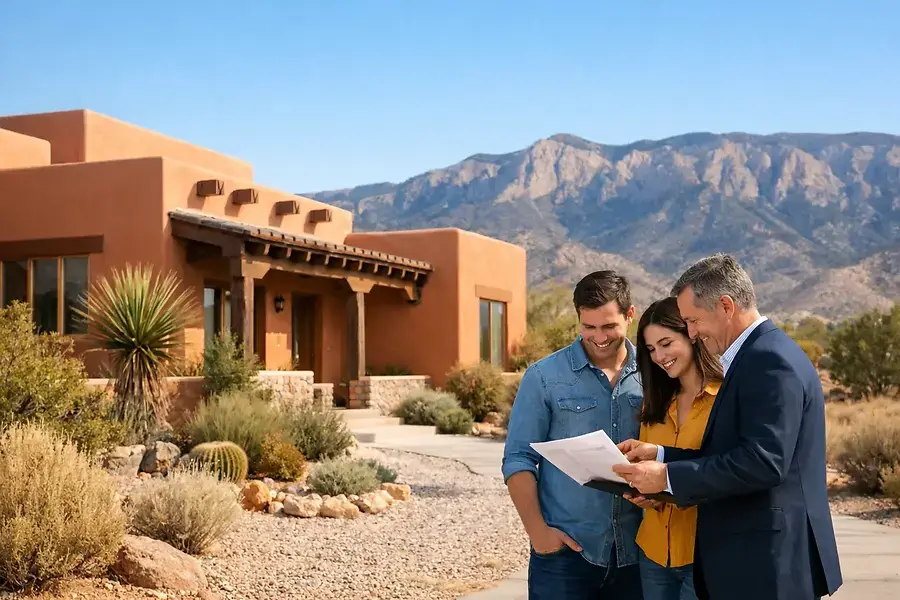
Understanding Albuquerque's Current Real Estate Market
Albuquerque's residential real estate market continues to evolve, offering both opportunities and challenges for buyers and sellers. The city's diverse neighborhoods, combined with its unique cultural heritage and growing economic development, create a dynamic housing landscape that reflects broader regional trends. Whether you're a first-time homebuyer, an experienced investor, or a homeowner considering a sale, understanding the current market conditions is essential for making informed decisions.
The Albuquerque market has experienced notable shifts in recent years, with pricing patterns that vary significantly across different neighborhoods and property types. Market activity has stabilized after periods of rapid growth, creating a more balanced environment where both buyers and sellers have meaningful negotiating power. This equilibrium makes it an opportune time to evaluate your real estate goals and understand what factors are driving property values in your area of interest.
Current Pricing Trends and Home Values in Albuquerque Neighborhoods
Market Overview and Price Ranges
Albuquerque's residential properties span a wide range of price points, accommodating various buyer demographics and investment strategies. The median home prices have remained relatively stable, with modest appreciation in many neighborhoods. Properties in the city range from affordable starter homes to luxury estates, providing options for virtually every budget level.
Different neighborhoods command different price premiums based on factors such as proximity to amenities, school district quality, and neighborhood character. Understanding these variations is crucial for both buyers seeking value and sellers positioning their properties competitively.
Neighborhood-Specific Insights
- Northeast Heights: Known for established neighborhoods and excellent schools, this area maintains strong property values with homes typically priced in the upper-middle range.
- Old Town and Downtown: These historic areas attract buyers seeking character and walkability, with prices reflecting the premium placed on location and cultural significance.
- Westgate: Offering more affordable options, this neighborhood appeals to first-time buyers and investors looking for value-oriented properties.
- Sandia Foothills: Premium properties with mountain views command higher prices, attracting buyers seeking luxury and scenic surroundings.
- South Valley: This growing area offers competitive pricing with increasing development and amenities attracting new residents.
Inventory and Market Conditions
Current inventory levels in Albuquerque reflect a relatively balanced market, with adequate supply across most price ranges. This stability contrasts with previous periods of extreme scarcity or oversupply, giving buyers and sellers more negotiating flexibility. Properties in desirable neighborhoods may still experience competitive bidding, while other areas offer more negotiating room.
Days on market have stabilized, with well-priced properties typically selling within reasonable timeframes. This metric varies by neighborhood and property condition, but generally indicates a healthy market where transactions occur at a steady pace.
Market Factors Influencing Residential Property Values
Economic and Employment Growth
Albuquerque's economy continues to diversify beyond its traditional base, with growth in technology, healthcare, and renewable energy sectors. This economic expansion supports housing demand and contributes to property value stability. Employment opportunities attract new residents to the area, creating sustained interest in residential properties across various price points.
Interest Rates and Financing Conditions
Mortgage rates significantly impact buyer purchasing power and market activity. Changes in interest rates affect how much buyers can afford, directly influencing demand and pricing. Favorable financing conditions can stimulate market activity, while higher rates may cool demand in certain segments. Prospective buyers should monitor rate trends and consider locking in favorable terms when available.
Population Trends and Migration Patterns
Albuquerque continues to attract residents from other states seeking affordable living, quality of life, and outdoor recreation opportunities. This migration pattern supports steady housing demand and helps maintain property values. The city's appeal to remote workers and retirees has expanded the buyer pool, contributing to market resilience.
Infrastructure Development and Amenities
Ongoing improvements to infrastructure, including transportation networks and public amenities, enhance neighborhood desirability and property values. New commercial development, parks, and community facilities make neighborhoods more attractive to potential buyers. Areas experiencing infrastructure improvements often see corresponding increases in property values and buyer interest.
School Quality and Educational Resources
School district ratings remain a primary consideration for families evaluating neighborhoods. Properties in areas served by highly-rated schools typically command premium prices. Parents and educators recognize the long-term value of quality education, making school quality a significant factor in residential property decisions.
Property Condition and Age
The condition and age of properties significantly influence their market value. Well-maintained homes with modern updates typically sell faster and at higher prices than properties requiring substantial repairs. Buyers increasingly value energy-efficient features, updated systems, and quality construction, making these factors important for pricing and marketability.
Market Sentiment and Buyer Confidence
Overall market sentiment and buyer confidence influence purchasing decisions and pricing expectations. Positive economic news and stable market conditions encourage buyer activity, while uncertainty may cause hesitation. Understanding the psychological factors driving market behavior helps both buyers and sellers time their decisions strategically.
Conclusion: Using Market Insights to Guide Your Real Estate Decisions
Albuquerque's residential real estate market offers opportunities for informed buyers and sellers who understand current pricing trends and market dynamics. By analyzing neighborhood-specific data, recognizing the factors influencing property values, and monitoring market conditions, you can make decisions aligned with your financial goals and lifestyle preferences.
For Buyers: Research neighborhoods thoroughly, get pre-approved for financing, and work with experienced real estate professionals who understand local market nuances. Consider both current conditions and long-term appreciation potential when evaluating properties.
For Sellers: Price your property competitively based on recent comparable sales, invest in strategic improvements that enhance appeal, and market effectively to reach qualified buyers. Understanding buyer preferences in your neighborhood helps position your property for success.
Whether you're entering the market for the first time or making a strategic move, leveraging current market data and professional insights empowers you to navigate Albuquerque's residential real estate landscape with confidence. The key to successful real estate decisions lies in combining thorough research, professional guidance, and a clear understanding of your personal priorities and financial situation.