Understanding Boise Home Inspections: A Buyer's Essential Guide
Learn what professional inspectors evaluate and how to use inspection reports to make confident purchasing decisions in Boise.

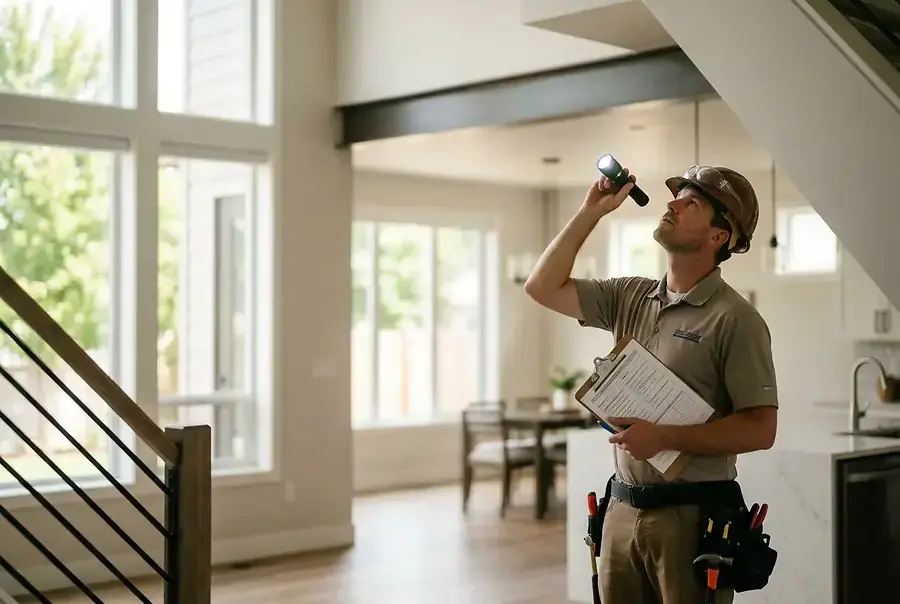
Why Home Inspections Matter for Boise Buyers
Purchasing a home is one of the most significant financial decisions you'll make in your lifetime. In Boise's competitive real estate market, a professional home inspection serves as your safety net, providing an objective assessment of the property's condition before you commit to the purchase. A thorough inspection can reveal hidden problems that might cost thousands to repair, giving you the leverage to negotiate better terms or walk away from a problematic deal.
Home inspections are particularly important in Boise, where properties range from historic homes to newer developments, each with unique structural and mechanical considerations. Whether you're buying a charming older home in the North End or a modern suburban property, an inspection protects your investment and ensures you understand exactly what you're purchasing.
What Professional Inspectors Examine and Common Issues Found
Structural and Foundation Assessment
Professional inspectors begin by evaluating the home's foundation and structural integrity. They look for cracks, settling, water damage, and signs of foundation movement. In Boise, where seasonal temperature changes and soil conditions can affect foundations, this assessment is crucial. Common issues include minor settling cracks, which are often normal, and more serious problems like bowing walls or significant water intrusion that require immediate attention.
Roofing and Exterior Systems
The roof is your home's first line of defense against the elements. Inspectors examine shingles, flashing, gutters, and drainage systems. They assess the roof's age and remaining lifespan, which typically ranges from 15 to 25 years depending on materials and maintenance. In Boise's climate, inspectors also check for proper ventilation and insulation, which affect both energy efficiency and longevity.
Plumbing and Water Systems
Inspectors test water pressure, check for leaks, and evaluate the condition of pipes and fixtures. They examine the water heater's age and functionality, looking for signs of rust or corrosion. Common issues include outdated galvanized pipes, which may need replacement, and water pressure problems that could indicate underlying plumbing issues.
Electrical Systems
A thorough electrical inspection includes checking the main panel, circuit breakers, outlets, and wiring. Inspectors look for outdated systems, improper grounding, and safety hazards. Older Boise homes may have aluminum wiring or outdated panels that don't meet current safety standards, which could require upgrades.
HVAC and Climate Control
Heating and cooling systems are essential in Boise's climate. Inspectors evaluate furnaces, air conditioning units, and ductwork for proper operation and maintenance. They assess the age of equipment and estimate remaining useful life, helping you budget for future replacements.
Interior Conditions and Appliances
Inspectors examine walls, ceilings, floors, and doors for damage or defects. They test built-in appliances and check for signs of water damage, mold, or pest infestation. They also evaluate insulation levels and ventilation systems throughout the home.
Negotiating with Inspection Results and Protecting Your Investment
Understanding Your Inspection Report
A comprehensive inspection report categorizes findings by severity. Critical issues require immediate attention and may affect the home's safety or value significantly. Major concerns need repair or replacement within a reasonable timeframe. Minor issues are typically cosmetic or involve routine maintenance. Understanding these categories helps you prioritize concerns and determine which items are negotiable.
Using Inspection Results in Negotiations
Armed with your inspection report, you have several negotiation options:
- Request repairs: Ask the seller to fix critical and major issues before closing
- Negotiate a price reduction: Reduce your offer to account for repair costs you'll handle yourself
- Request credits: Ask the seller to provide funds at closing to cover repairs
- Walk away: If issues are too extensive or costly, you can exit the deal
In Boise's market, sellers often prefer price reductions over making repairs themselves, as they can control costs and quality. However, for critical safety issues, requesting repairs is often more appropriate.
Protecting Your Long-Term Investment
Beyond negotiations, use your inspection report as a maintenance roadmap. Document all findings and recommendations for future reference. Create a maintenance schedule based on inspector recommendations, addressing items before they become expensive problems. This proactive approach extends your home's lifespan and maintains its value.
Consider obtaining specialized inspections for specific concerns. If the general inspector notes potential issues with the roof, foundation, or HVAC system, hiring a specialist can provide detailed analysis and repair estimates. These additional inspections cost $300-$500 but can save thousands by identifying problems early.
Building Your Home Maintenance Plan
Use inspection findings to establish a maintenance budget and timeline.
A well-maintained home retains its value and provides years of comfortable living, making the inspection investment worthwhile.Prioritize items based on urgency and cost, addressing critical issues immediately and planning for major repairs over time.
Making Informed Decisions with Inspection Data
A professional home inspection transforms the buying process from a leap of faith into an informed decision. By understanding what inspectors evaluate and how to interpret their findings, you gain confidence in your purchase and protect your financial investment.
Remember that no home is perfect. Inspections reveal the property's true condition, allowing you to make decisions based on facts rather than emotions. Whether you're a first-time buyer or an experienced investor, a thorough inspection is an essential step in Boise's real estate market.
Take time to review your inspection report carefully, ask your inspector questions about any concerns, and consult with your real estate agent about negotiation strategies. With this knowledge, you'll move forward confidently in your home purchase, knowing you've done your due diligence to protect one of life's most important investments.


