Understanding Chicago and Lombard's Residential Real Estate Market Dynamics
Discover the key factors driving property values and buyer behavior in these thriving Illinois communities.

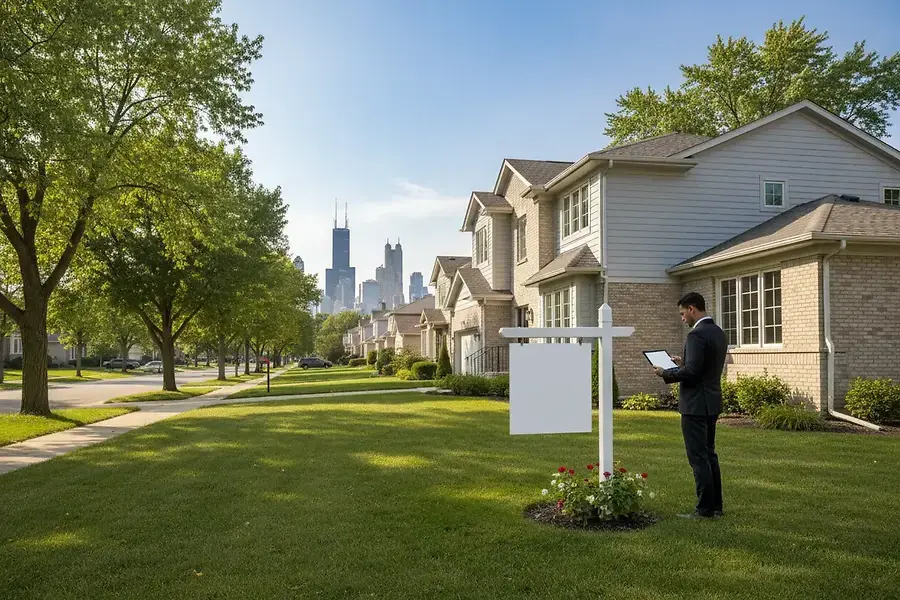
Introduction: Why Market Knowledge Matters for Real Estate Professionals
In today's competitive real estate landscape, understanding the nuances of local markets is essential for success. Whether you're a seasoned agent, a property investor, or a first-time homebuyer, having comprehensive knowledge of Chicago and Lombard's residential real estate dynamics can make the difference between a successful transaction and a missed opportunity. These two Illinois communities represent distinct yet interconnected markets, each with unique characteristics that influence property values, buyer preferences, and investment potential.
Real estate professionals who stay informed about market trends, inventory levels, and neighborhood developments are better equipped to guide their clients toward sound decisions. This article explores the key factors shaping the residential real estate markets in Chicago and Lombard, providing insights that can enhance your understanding and improve your market positioning.
Housing Inventory, Price Trends, and Buyer Demand in Chicago and Lombard
Current Market Conditions
The residential real estate markets in Chicago and Lombard continue to evolve, reflecting broader economic trends and local preferences. Housing inventory levels play a crucial role in determining market dynamics, with supply and demand imbalances directly affecting property prices and buyer competition.
Chicago's market presents a diverse range of properties across multiple price points, from affordable starter homes to luxury residences. The city's expansive neighborhoods offer varied inventory levels, with some areas experiencing higher turnover rates than others. Lombard, situated in DuPage County, maintains a more selective inventory profile, characterized by well-maintained suburban properties that appeal to families and professionals seeking community-oriented living.
Price Trends and Market Movement
Price trends in both markets reflect several interconnected factors:
- Location and Proximity: Properties closer to employment centers, public transportation, and amenities command premium prices
- Property Condition: Well-maintained homes with modern updates appreciate faster than properties requiring significant renovations
- School District Quality: Both Chicago and Lombard neighborhoods with highly-rated schools consistently show stronger price appreciation
- Economic Indicators: Interest rates, employment levels, and consumer confidence directly impact buyer purchasing power
- Market Seasonality: Spring and early summer typically see increased activity and higher prices compared to fall and winter months
Understanding Buyer Demand Patterns
Buyer behavior in these markets reveals important preferences. Chicago attracts diverse buyer demographics, including young professionals seeking urban convenience, families looking for established neighborhoods, and investors targeting rental properties. Lombard appeals primarily to suburban-minded buyers prioritizing family-friendly environments, excellent schools, and community amenities.
First-time homebuyers often gravitate toward properties in the $250,000 to $400,000 range, while move-up buyers and investors pursue higher-value properties. Understanding these demographic preferences helps real estate professionals identify appropriate properties for their clients and position listings effectively.
Neighborhood Growth Patterns and Investment Potential
Chicago's Neighborhood Dynamics
Chicago's neighborhoods each possess distinct characteristics that influence investment potential. Emerging neighborhoods with improving infrastructure, new businesses, and community development projects often present excellent investment opportunities. Established neighborhoods with strong school systems and cultural amenities maintain consistent demand and stable appreciation.
Key factors driving Chicago neighborhood growth include:
- Public transportation expansion and accessibility
- Commercial development and job creation
- Community revitalization initiatives
- Cultural institutions and entertainment venues
- Parks, recreational facilities, and green spaces
Lombard's Suburban Appeal and Growth Trajectory
Lombard continues to attract residents seeking suburban living with urban conveniences. The community's commitment to maintaining property values through code enforcement, infrastructure investment, and quality-of-life initiatives creates a stable investment environment.
Suburban communities like Lombard offer investors predictable appreciation patterns and lower volatility compared to urban markets, making them attractive for long-term wealth building.
Growth patterns in Lombard are influenced by:
- School district excellence and educational opportunities
- Community safety and low crime rates
- Well-maintained public spaces and infrastructure
- Local business development and employment options
- Family-oriented events and community programs
Investment Opportunities and Considerations
For investors evaluating opportunities in these markets, several considerations emerge. Chicago offers diverse investment strategies, from single-family rentals to multi-unit properties and commercial conversions. Lombard's market favors buy-and-hold strategies, with properties appreciating steadily over time.
Successful investors analyze:
- Cash flow potential: Rental income relative to property costs and expenses
- Appreciation prospects: Historical trends and future growth indicators
- Market cycles: Understanding when markets are appreciating, stabilizing, or declining
- Tenant demographics: Target renters and their preferences for amenities and location
- Exit strategies: Planning for property disposition and profit realization
Conclusion: Leveraging Market Insights to Serve Your Clients Better
The residential real estate markets in Chicago and Lombard offer distinct opportunities for buyers, sellers, and investors. Success in these markets requires understanding the interplay between housing inventory, price trends, buyer preferences, and neighborhood dynamics. Real estate professionals who master these insights position themselves as trusted advisors capable of guiding clients through complex decisions.
Whether your clients seek their first home, plan to upgrade to a larger property, or pursue investment opportunities, comprehensive market knowledge enables you to provide valuable guidance. Stay informed about local trends, maintain awareness of neighborhood developments, and continuously update your understanding of market conditions. By doing so, you'll build stronger client relationships, increase transaction success rates, and establish yourself as a market expert in Chicago and Lombard's residential real estate landscape.
The real estate market rewards those who invest time in understanding its complexities. Use these insights to enhance your professional practice and deliver superior service to your clients.