Understanding Cincinnati's Property Tax Impact on Home Values
Learn how property taxes influence your Cincinnati home's affordability and investment potential.

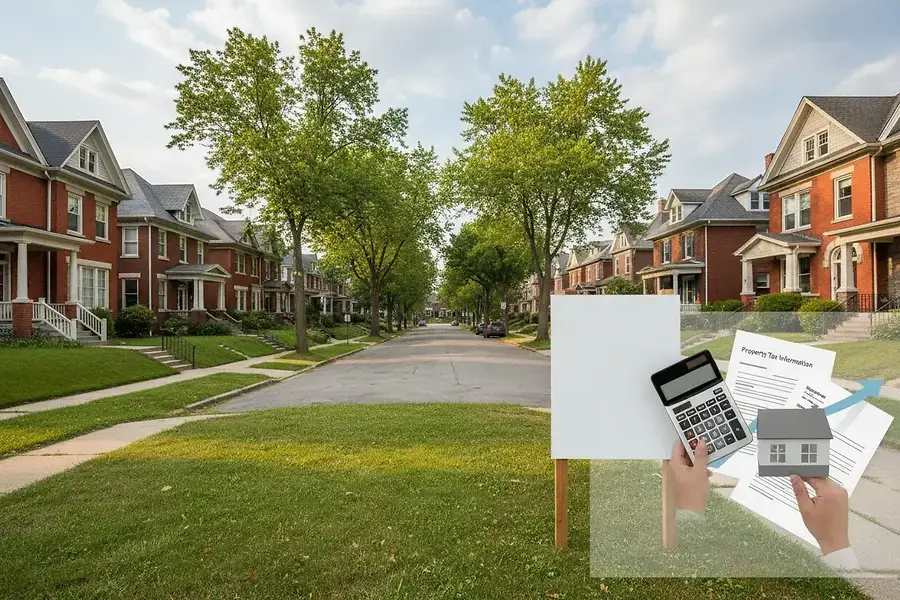
Introduction: Why Property Taxes Matter for Cincinnati Homeowners
Property taxes are one of the most significant ongoing expenses for homeowners, yet many Cincinnati residents don't fully understand how they impact their overall housing costs and investment returns. Unlike mortgage payments that eventually end, property taxes continue indefinitely, making them a crucial factor in your long-term financial planning. Understanding your property tax obligations is essential for making informed decisions about buying, selling, or holding onto your Cincinnati home.
For potential homebuyers, property taxes can mean the difference between affording a home and stretching your budget too thin. For current homeowners, they directly affect your monthly housing expenses and the equity you build over time. This guide will help you navigate Cincinnati's property tax landscape and make smarter decisions about your real estate investments.
How Cincinnati's Tax Structure Affects Your Monthly Housing Costs
Understanding the Basics
Cincinnati's property tax system is based on the assessed value of your home, which is determined by the county auditor's office. The effective tax rate in Hamilton County, where Cincinnati is located, is among the considerations that impact your total housing costs. Property taxes are calculated by multiplying your home's assessed value by the applicable tax rate, which varies depending on your specific location within the city and county.
Breaking Down Your Tax Bill
Your property tax bill typically includes contributions to several entities:
- School Districts: The largest portion of your tax bill, funding local education
- City Services: Police, fire, and municipal infrastructure
- County Services: Courts, health departments, and county administration
- Special Assessments: Local improvements like road repairs or drainage systems
Understanding these components helps you see exactly where your tax dollars go and why they matter for your community's quality of life.
Impact on Monthly Housing Costs
When calculating your total monthly housing expense, property taxes can add hundreds of dollars to your mortgage payment. For a $300,000 home in Cincinnati, annual property taxes might range from $3,000 to $4,500 depending on the neighborhood and school district. This translates to $250 to $375 per month in property taxes alone, which lenders consider when determining your borrowing capacity.
Comparing Tax Rates Across Cincinnati Neighborhoods
Neighborhood Variations
Cincinnati's property tax rates vary significantly across different neighborhoods and school districts. Some areas with highly-rated schools may have higher tax rates, while other neighborhoods offer lower taxes but potentially different amenities and services. It's important to compare not just the tax rates, but also what services and school quality you're receiving for your tax dollars.
Key Neighborhoods to Consider
Different Cincinnati neighborhoods offer distinct tax profiles:
- Downtown and Urban Core: Often lower property values but varying tax rates depending on specific location
- Suburban Areas: Generally higher property values with moderate to higher tax rates, often reflecting excellent school systems
- Emerging Neighborhoods: Potentially lower tax rates with growing investment potential
- Established Affluent Areas: Higher property values and tax bills, but typically excellent schools and services
Making Neighborhood Comparisons
When comparing neighborhoods, calculate the actual tax dollars you'll pay, not just the percentage rate. A neighborhood with a slightly higher tax rate might still result in lower overall taxes if property values are more affordable. Additionally, consider the long-term appreciation potential of the neighborhood, as this affects your investment returns.
Maximizing Your Home Investment by Understanding Tax Implications
Tax Considerations for Buyers
Before purchasing a Cincinnati home, factor property taxes into your total cost of ownership. Use online calculators or consult with a real estate professional to estimate your annual tax liability. This helps ensure the home truly fits your budget and investment goals.
Strategies to Reduce Your Tax Burden
Several strategies can help minimize your property tax impact:
- Homestead Exemptions: Eligible homeowners may qualify for exemptions that reduce their assessed value
- Assessment Appeals: If you believe your home's assessed value is too high, you can file an appeal with the county auditor
- Tax Credits: Investigate state and local tax credits for which you may qualify
- Senior Exemptions: Ohio offers property tax exemptions for seniors meeting certain criteria
Long-Term Investment Perspective
While property taxes are an ongoing expense, they shouldn't discourage you from investing in Cincinnati real estate. Historically, Cincinnati's real estate market has provided solid appreciation potential that can offset tax costs over time. Focus on neighborhoods with strong fundamentals: good schools, low crime rates, and signs of community investment. These areas tend to appreciate faster, improving your overall return on investment despite property taxes.
Refinancing and Tax Planning
As your home appreciates, your assessed value may increase, leading to higher taxes. Stay informed about assessment changes and plan accordingly. Some homeowners benefit from refinancing strategies that account for their total housing costs, including property taxes.
Conclusion: Making Informed Decisions About Your Cincinnati Property
Property taxes are a permanent part of Cincinnati homeownership, but understanding them empowers you to make smarter financial decisions. By comparing neighborhoods, understanding your tax structure, and exploring available exemptions, you can maximize your home's value and investment potential.
Whether you're a first-time homebuyer or an experienced investor, taking time to understand Cincinnati's property tax system pays dividends. Research your specific neighborhood's tax rates, calculate your total housing costs, and consider the long-term appreciation potential. With this knowledge, you'll be better equipped to find a Cincinnati home that fits both your lifestyle and your budget.
Remember: the cheapest home isn't always the best investment. Consider property taxes as one component of your overall housing costs and investment strategy, and you'll be well on your way to making a sound real estate decision in Cincinnati.