Understanding Cleveland's Real Estate Market Trends and Opportunities
Navigate current buyer and seller dynamics with insights into neighborhood appreciation, inventory levels, and strategic timing for your next move.

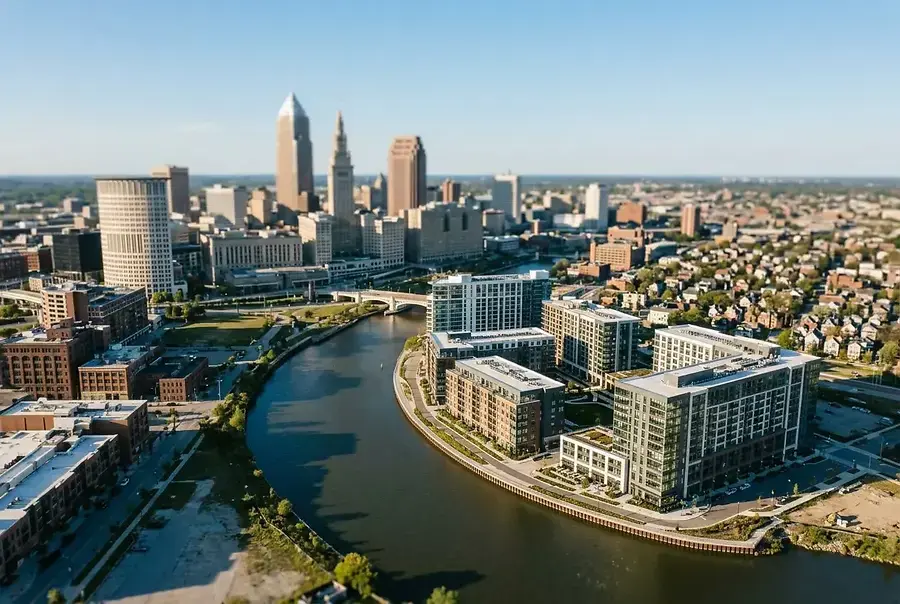
Introduction: The Current Cleveland Housing Landscape
Cleveland's real estate market continues to evolve, presenting both challenges and opportunities for buyers and sellers alike. The city has experienced a notable shift in recent years, with increasing interest from investors and homebuyers seeking affordable yet vibrant communities. Understanding the current landscape is essential for anyone considering a real estate transaction in the area.
The Cleveland market reflects broader national trends while maintaining its own unique characteristics. Affordability remains one of the city's greatest strengths, attracting first-time homebuyers and investors looking for solid returns. However, the market is becoming increasingly competitive, with certain neighborhoods experiencing rapid appreciation and changing buyer preferences.
Key Market Indicators: Prices, Inventory, and Days on Market
Price Trends and Appreciation
Cleveland's median home prices have shown steady growth, with properties appreciating at rates that outpace many comparable Midwest cities. Strategic neighborhoods are seeing particularly strong gains, while more established areas maintain stable valuations. The price-to-income ratio remains favorable compared to national averages, making Cleveland an attractive option for budget-conscious buyers.
Key price indicators include:
- Median home prices continuing upward trajectory across most neighborhoods
- Strong appreciation in revitalized urban core areas
- Stable pricing in suburban communities with consistent demand
- Growing investor interest driving competition in emerging neighborhoods
Inventory Levels and Market Balance
Current inventory levels suggest a seller's market in premium locations, while other areas maintain more balanced conditions. The supply of available properties varies significantly by neighborhood, with popular areas experiencing lower days-on-market figures.
"The key to success in Cleveland's market is understanding local inventory patterns and acting strategically based on your specific neighborhood of interest."
Inventory considerations for different buyer profiles:
- Urban Core: Limited inventory, higher competition, faster sales cycles
- Inner Ring Suburbs: Moderate inventory with growing demand
- Outer Suburbs: More available properties, longer negotiation windows
- Waterfront Areas: Specialized inventory with premium pricing
Days on Market and Selling Speed
The average days on market varies considerably depending on location, condition, and pricing strategy. Properties in high-demand neighborhoods sell significantly faster than those in less popular areas. Properly priced homes in desirable locations can sell within weeks, while overpriced or poorly positioned properties may linger for months.
Neighborhood-by-Neighborhood Performance and Growth Patterns
Urban Core Renaissance
Downtown Cleveland and surrounding neighborhoods have experienced remarkable revitalization. Areas like the Warehouse District and Ohio City are attracting young professionals and empty-nesters seeking walkable, vibrant communities. These neighborhoods show the strongest appreciation rates and lowest days-on-market figures.
Inner Ring Suburbs: The Sweet Spot
Communities such as Shaker Heights, Beachwood, and University Heights continue to appeal to families seeking established neighborhoods with excellent schools and community amenities. These areas maintain steady appreciation while offering more inventory than the urban core, providing buyers with greater selection and negotiating power.
Emerging Neighborhoods with Growth Potential
Several neighborhoods on the city's periphery are experiencing increased investment and development. Areas undergoing infrastructure improvements and attracting new businesses present opportunities for buyers seeking value with growth potential. Early investors in these areas may benefit from significant appreciation as neighborhoods mature and amenities expand.
Suburban Stability and Family Appeal
Outer suburban communities continue to attract families prioritizing space, schools, and affordability. These areas maintain consistent demand and stable pricing, making them reliable choices for long-term homeownership. While appreciation rates may be more modest than in revitalized urban areas, these neighborhoods offer predictability and strong fundamentals.
Conclusion: Using Market Data to Make Informed Decisions
Cleveland's real estate market offers diverse opportunities for different buyer and seller profiles. Success requires understanding your specific goals and matching them with appropriate neighborhoods and timing.
For buyers, consider these strategic approaches:
- Identify neighborhoods aligned with your lifestyle and budget priorities
- Monitor inventory levels and days-on-market in your target areas
- Act decisively when you find the right property in competitive markets
- Consider emerging neighborhoods if you're comfortable with calculated risk
- Work with local experts who understand neighborhood-specific dynamics
For sellers, the path forward involves:
- Pricing competitively based on recent comparable sales in your neighborhood
- Investing in curb appeal and essential updates to attract buyers
- Understanding your neighborhood's market position and buyer demographics
- Timing your listing to coincide with peak buyer activity in your area
- Leveraging professional marketing to reach qualified buyers
Cleveland's real estate market continues to offer compelling opportunities for those who approach it strategically. Whether you're a first-time buyer, seasoned investor, or seller looking to make a move, understanding current market trends and neighborhood dynamics is essential. By combining data-driven insights with local expertise, you can navigate Cleveland's housing market with confidence and achieve your real estate goals.