Understanding Commercial Zoning Laws and Regulations in Stevensville, MT
Essential zoning regulations and compliance requirements every business owner needs to understand before leasing or purchasing commercial property in Stevensville.

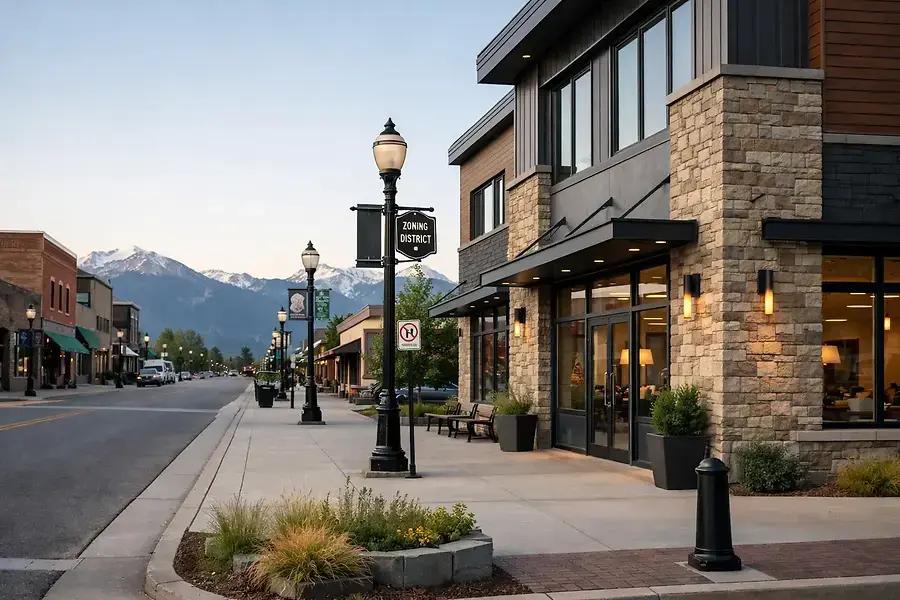
Understanding Stevensville's Commercial Zoning Districts
Stevensville, Montana maintains a carefully structured zoning system designed to balance economic growth with community character. The city's commercial zoning districts are categorized to serve different types of businesses and commercial activities. Understanding these districts is the first critical step for any business owner considering a location in the area.
The primary commercial zones in Stevensville include Downtown Commercial (DC), General Commercial (GC), and Highway Commercial (HC) districts. Each zone has specific permitted uses, dimensional requirements, and development standards that govern what types of businesses can operate and how properties must be developed.
Downtown Commercial District
The Downtown Commercial district is the heart of Stevensville's business community. This zone encourages mixed-use development with retail, office, and service businesses at street level. Properties in this district typically have stricter setback requirements and design standards to maintain the historic character of downtown.
- Permitted uses include retail shops, restaurants, professional offices, and personal services
- Building height restrictions typically range from 35 to 45 feet
- Parking requirements are often reduced due to shared parking opportunities
- Architectural standards emphasize pedestrian-friendly design
General Commercial District
The General Commercial district accommodates a broader range of commercial activities and is typically located along major thoroughfares. This zone allows for larger commercial operations, including shopping centers, automotive services, and light manufacturing.
- More flexible use permissions than downtown zones
- Larger lot sizes and building footprints are permitted
- Setback requirements are generally more generous
- Suitable for businesses requiring more space and customer parking
Highway Commercial District
The Highway Commercial zone is designed for businesses that benefit from high visibility and accessibility along major routes. This district accommodates uses that serve traveling public and require significant parking areas.
Key Compliance Requirements and Building Codes
Beyond understanding zoning districts, business owners must comply with specific building codes and development standards. Stevensville enforces the International Building Code (IBC) with local amendments, ensuring all commercial structures meet safety and accessibility standards.
Building Code Compliance
All commercial buildings in Stevensville must meet current building codes covering structural integrity, fire safety, electrical systems, plumbing, and HVAC requirements. These codes are enforced through the permitting and inspection process.
- Structural design must account for local snow loads and wind conditions
- Fire-rated materials and emergency exits are mandatory
- ADA accessibility requirements apply to all public spaces
- Energy efficiency standards must be met for HVAC and lighting systems
Parking and Site Development Standards
Stevensville's zoning ordinances specify minimum parking requirements based on business type and square footage. These standards ensure adequate parking while preventing excessive paving that impacts stormwater management and community aesthetics.
Parking requirements vary significantly by use type. A restaurant may require one space per 100 square feet, while office space might require one space per 250 square feet.
Signage Regulations
Commercial signage is regulated to maintain visual harmony throughout the city. Regulations typically address sign size, height, materials, lighting, and placement. Digital signs may have additional restrictions regarding brightness and animation.
How Zoning Affects Your Business Location Strategy
Zoning regulations should be a primary consideration when selecting a commercial location. The right zone can enhance your business success, while the wrong zone may create operational challenges and limit growth potential.
Evaluating Zoning Compatibility
Before committing to a property, thoroughly evaluate whether the zoning allows your intended use. Some businesses may qualify as conditional uses, requiring special approval from the city planning commission. This process can be time-consuming and uncertain.
- Confirm your primary business use is permitted in the zone
- Check for conditional use restrictions that may apply
- Verify parking requirements can be met on-site or through shared arrangements
- Review signage limitations that may affect your marketing visibility
- Assess future expansion possibilities within zoning constraints
Impact on Customer Access and Visibility
Zoning location directly affects customer accessibility and business visibility. Highway Commercial zones offer high visibility but may have limited pedestrian traffic. Downtown Commercial zones provide walkability and community presence but may have parking challenges. General Commercial zones offer a middle ground with reasonable visibility and parking availability.
Long-Term Business Growth Considerations
Consider how zoning restrictions might affect your business growth. If you anticipate expanding operations, verify that the zone allows for increased building size, additional parking, or operational changes. Some zones may limit your ability to add complementary services or modify your business model.
Working with Local Authorities for Zoning Approvals
Successfully navigating Stevensville's zoning approval process requires understanding the city's administrative structure and procedures. The Planning and Zoning Commission and City Council play key roles in reviewing and approving zoning-related requests.
The Conditional Use Permit Process
If your business use is not permitted outright in your chosen zone, you may need to apply for a Conditional Use Permit (CUP). This process involves submitting detailed plans, attending public hearings, and demonstrating that your use will not negatively impact the surrounding area.
- Submit a complete application with site plans and business description
- Attend Planning Commission hearing where public comment is allowed
- Address any concerns raised by commissioners or neighbors
- Receive approval or denial, with possible appeal to City Council
Variance Requests
When zoning requirements create undue hardship, you may request a variance. Variances are granted only when specific criteria are met, demonstrating that the hardship is unique to your property and not self-imposed.
Working with Planning Staff
Stevensville's planning staff can provide invaluable guidance throughout the approval process. Schedule a pre-application meeting before investing significant time and money in site plans. Staff can identify potential issues early and suggest solutions that streamline the approval process.
Maintain open communication with planning staff and city officials. Demonstrating good faith effort to comply with regulations and address community concerns significantly improves approval prospects. Professional site plans and thorough applications show respect for the process and increase credibility with decision-makers.
Timeline and Costs
Budget adequate time and resources for the approval process. Simple permits may take 2-4 weeks, while conditional use permits or variances can require 2-3 months or longer. Professional planning consultants can accelerate the process and improve approval likelihood, though they represent additional investment.
Understanding Stevensville's commercial zoning laws is essential for making informed business decisions. By thoroughly researching zoning requirements, evaluating location compatibility, and working collaboratively with local authorities, you can successfully navigate the approval process and establish your business in a location that supports long-term success.