Understanding Dallas Home Appraisals and What Affects Your Property Value
Learn the key factors that influence how appraisers evaluate residential properties and what you can do to maximize your home's assessed worth.

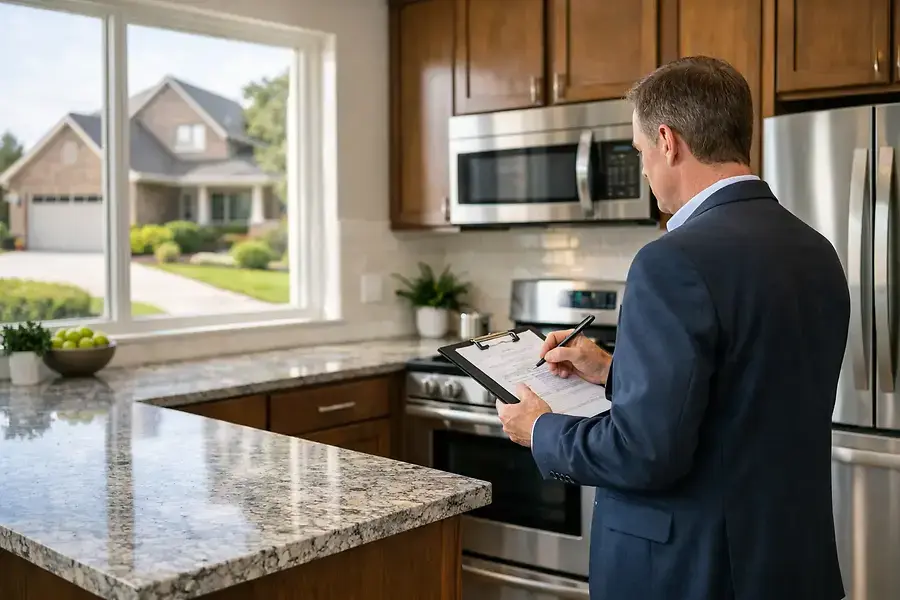
What Appraisers Look For: Location, Condition, and Comparable Properties
When a professional appraiser evaluates your Dallas home, they're conducting a thorough analysis that goes far beyond a simple walkthrough. Understanding what they're looking for can help you better prepare and potentially increase your property's assessed value.
Location and Market Dynamics
The old real estate adage "location, location, location" remains true in Dallas. Appraisers carefully evaluate your neighborhood's desirability, proximity to schools, shopping centers, and employment hubs. They also consider factors like crime rates, property tax rates, and the overall trajectory of the neighborhood. A home in a thriving area with strong appreciation trends will naturally command a higher appraisal value than an identical home in a declining neighborhood.
Property Condition and Structural Integrity
Appraisers conduct a detailed inspection of your home's physical condition. They examine:
- The roof's age and condition
- Foundation stability and any visible cracks
- HVAC systems and their functionality
- Plumbing and electrical systems
- Interior walls, flooring, and paint condition
- Windows and doors
- Overall cleanliness and maintenance
A well-maintained home with updated systems will receive a higher valuation than one requiring significant repairs.
Comparable Properties Analysis
Appraisers use comparable sales data (often called "comps") to establish fair market value. They analyze recent sales of similar properties in your area, adjusting for differences in size, age, condition, and features. This comparative approach ensures your appraisal reflects current market conditions in the Dallas area.
Common Improvements That Increase Home Appraisal Value in Dallas
Not all home improvements yield equal returns in terms of appraisal value. Strategic upgrades can significantly boost your property's assessed worth.
Kitchen and Bathroom Renovations
These are among the most impactful improvements. Updated kitchens with modern appliances, granite countertops, and improved layouts consistently increase appraisal values. Similarly, bathroom upgrades—including new fixtures, tile work, and improved lighting—are highly valued by appraisers.
Energy-Efficient Upgrades
Dallas homeowners benefit from energy-efficient improvements that reduce utility costs. Consider:
- New HVAC systems with smart thermostats
- Energy-efficient windows and doors
- Improved insulation
- Solar panel installations
- Water heater upgrades
These upgrades appeal to modern buyers and appraisers alike, often resulting in measurable value increases.
Curb Appeal and Exterior Work
First impressions matter. Appraisers notice:
- Landscaping and lawn condition
- Fresh exterior paint
- New roofing or roof repairs
- Updated entryway and front door
- Driveway and walkway conditions
Investing in curb appeal is cost-effective and can significantly influence an appraiser's initial assessment.
Additional Living Space
Adding square footage through room additions, finished basements, or converted spaces can substantially increase your home's value. However, ensure any additions comply with local building codes and have proper permits.
Preparing Your Home for an Appraisal: A Practical Checklist
Taking time to prepare your home before the appraisal can make a meaningful difference in the final valuation.
Pre-Appraisal Preparation Steps
- Clean thoroughly: A spotless home creates a positive impression and allows appraisers to assess conditions accurately
- Declutter: Remove excess items to make spaces appear larger and more appealing
- Repair visible issues: Fix leaky faucets, cracked tiles, and broken fixtures
- Maintain landscaping: Trim bushes, mow the lawn, and add fresh mulch to garden beds
- Document improvements: Gather receipts and documentation for recent upgrades and repairs
- Ensure access: Make sure the appraiser can easily access all areas, including the attic and basement
- Provide information: Have details ready about recent renovations, system replacements, and property features
What to Avoid
During the appraisal process, avoid making major changes or improvements. The appraiser needs to evaluate the home in its current state. Additionally, don't attempt to influence the appraiser's assessment through conversation—let the property speak for itself.
Documentation Matters
Keep records of all improvements, repairs, and maintenance work. Professional documentation of upgrades like new roofing, HVAC systems, or electrical work can positively influence the appraisal. Provide this information to your appraiser when requested.
Conclusion: Leveraging Appraisal Knowledge to Strengthen Your Real Estate Position
Understanding how Dallas home appraisals work empowers you to make informed decisions about your property. Whether you're refinancing, selling, or simply curious about your home's value, knowing what appraisers evaluate helps you maximize your property's potential.
Focus on maintaining your home's condition, making strategic improvements, and presenting it in the best possible light during appraisals. By combining proper preparation with smart investments in your property, you can strengthen your real estate position and ensure your home receives a fair and accurate valuation.
Remember: A well-maintained home with documented improvements and strong curb appeal will always command better appraisal results than a neglected property, regardless of location.


