Understanding El Paso Property Taxes: A Guide for Homeowners
Learn how to understand, calculate, and potentially reduce your property tax burden in El Paso.

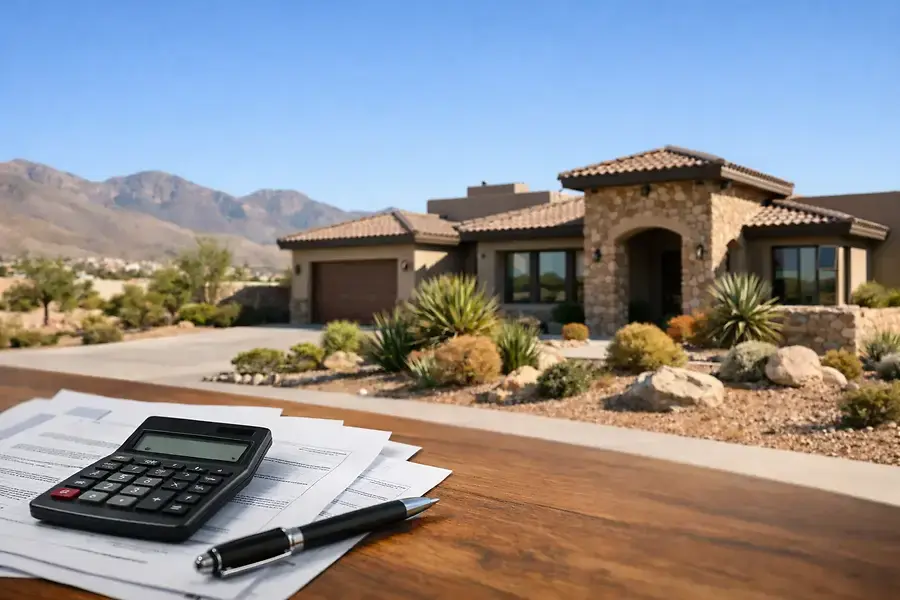
Understanding El Paso's Property Tax Assessment Process
Property taxes are a significant responsibility for homeowners in El Paso, and understanding how they're calculated is the first step toward managing your financial obligations effectively. The El Paso County Appraisal District is responsible for assessing the value of all properties in the county, which directly determines your tax liability.
The assessment process begins with a professional appraisal of your property. Appraisers evaluate your home's characteristics, including its size, age, condition, location, and recent comparable sales in your neighborhood. This valuation forms the basis for your property tax calculation. It's important to note that your home's appraised value may differ significantly from its market value or the price you paid for it.
How Appraisals Are Conducted
Appraisers use several methods to determine property values. They analyze recent sales of similar properties, consider the cost to rebuild your home, and evaluate the income potential if your property were to be rented. In El Paso, residential properties are typically assessed using the market approach, which compares your home to recently sold properties with similar characteristics.
You have the right to review your property's appraisal and challenge it if you believe it's inaccurate. The El Paso County Appraisal District provides homeowners with access to their appraisal records, and you can request a review if you disagree with the assessed value.
Tax Rate Calculation
Once your property is appraised, the tax rate is applied. In El Paso, the property tax rate is determined by multiple taxing entities, including the city, county, school district, and special districts. The combined tax rate is expressed as a percentage of your property's appraised value. For example, if your home is appraised at $300,000 and the combined tax rate is 0.85%, your annual property tax would be $2,550.
How Property Taxes Impact Your Monthly Housing Costs
Understanding how property taxes fit into your overall housing budget is crucial for financial planning. Many homeowners are surprised to learn that property taxes can represent a substantial portion of their monthly housing expenses.
Breaking Down Your Housing Costs
Your total monthly housing cost typically includes:
- Mortgage principal and interest payments
- Property taxes (often escrowed with your mortgage payment)
- Homeowners insurance
- HOA fees (if applicable)
- Utilities and maintenance
Property taxes are often collected through your mortgage escrow account, meaning your lender collects a portion of your property taxes each month along with your mortgage payment. This ensures taxes are paid on time, but it also means your monthly payment may be higher than you initially expected.
Planning for Tax Increases
Property tax assessments can increase annually, which means your housing costs may rise each year. It's wise to budget for potential increases and understand how they might affect your long-term financial planning. Staying informed about assessment changes in your area can help you anticipate these increases and adjust your budget accordingly.
Strategies to Lower Your Property Tax Liability
While you cannot eliminate property taxes, there are several legitimate strategies El Paso homeowners can use to reduce their tax burden.
Challenge Your Property Appraisal
If you believe your property has been overvalued, you have the right to file a protest with the El Paso County Appraisal District. Gather evidence such as recent appraisals, comparable sales data, or documentation of property defects that might lower your home's value. The appraisal protest process is free and can result in significant tax savings if successful.
Explore Homestead Exemptions
Texas offers homestead exemptions that can reduce your property tax burden. If your home is your primary residence, you may qualify for an exemption that lowers your taxable property value. Additionally, seniors (65 and older) and disabled individuals may qualify for additional exemptions or tax deferrals. Contact the El Paso County Appraisal District to determine your eligibility.
Maintain Your Property
While this may seem counterintuitive, keeping your home in good condition and making strategic improvements can sometimes help. Properties in poor condition may be assessed lower, but this doesn't mean you should neglect maintenance. Instead, focus on improvements that add genuine value and appeal to potential appraisers.
Review Your Tax Bill Annually
Make it a habit to review your property tax bill each year. Look for errors in property details, such as incorrect square footage, lot size, or number of bedrooms. Simple clerical errors can result in inflated assessments. If you spot mistakes, contact the appraisal district immediately to request corrections.
Stay Informed About Tax Changes
Keep up with local tax policy changes and legislative updates. Tax rates and exemptions can change, and staying informed allows you to take advantage of new opportunities to reduce your liability. Subscribe to updates from the El Paso County Appraisal District or consult with a tax professional.
Conclusion: Taking Control of Your Tax Obligations
Property taxes are a complex but manageable aspect of homeownership in El Paso. By understanding how assessments are conducted, recognizing the impact on your monthly budget, and implementing strategies to reduce your liability, you can take control of your tax obligations.
Remember that you're not powerless when it comes to property taxes. Whether through appraisal protests, exploring exemptions, or simply staying informed, El Paso homeowners have tools at their disposal to manage this significant expense. Take the time to educate yourself, review your assessments regularly, and don't hesitate to seek professional guidance when needed. Your financial future will thank you for the effort.


