Understanding Forest Lake Property Taxes: A Homeowner's Complete Guide
Learn how property tax assessments work and discover practical strategies to minimize your tax burden.

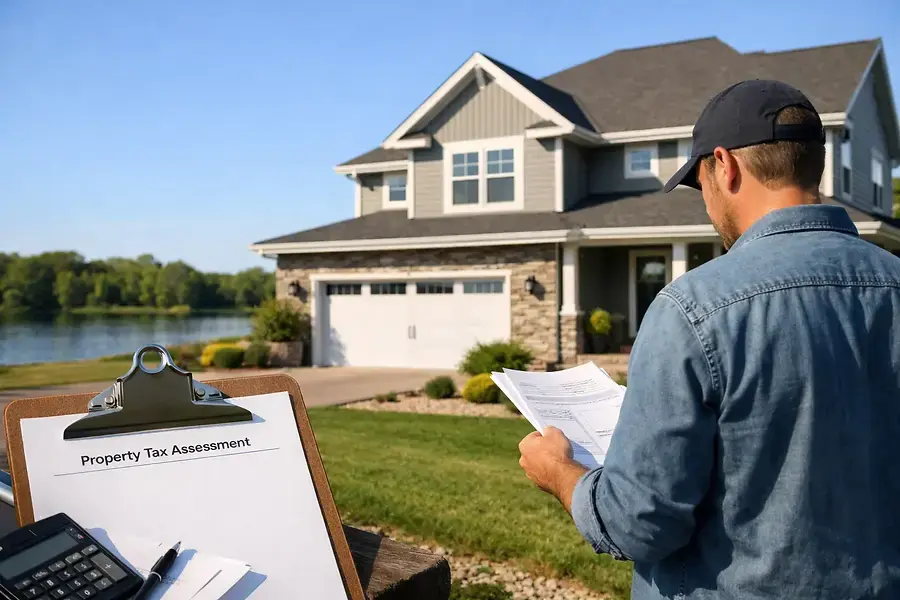
Why Property Taxes Matter for Homeowners
Property taxes represent one of the largest ongoing expenses for homeowners, yet many people don't fully understand how they're calculated or what options exist to reduce them. For Forest Lake residents, property taxes fund essential community services including schools, infrastructure, emergency services, and local government operations. Understanding your property tax assessment is not just about managing your budget—it's about ensuring you're paying a fair amount based on your home's actual value.
Many homeowners overlook the importance of reviewing their property tax assessments, missing opportunities to challenge inflated valuations or take advantage of available exemptions. By taking an active role in understanding your property taxes, you can potentially save thousands of dollars over the life of your homeownership.
How Forest Lake Property Tax Assessments and Valuations Work
The Assessment Process
Property tax assessments in Forest Lake begin with a professional evaluation of your home's market value. County assessors conduct periodic reviews of properties to determine their fair market value, which serves as the basis for calculating your tax obligation. This process typically involves:
- Physical inspections: Assessors may visit your property to evaluate its condition, size, and features
- Comparable sales analysis: Recent sales of similar properties in your area are used to establish market value
- Income approach: For rental properties, assessors may evaluate income-generating potential
- Cost approach: The replacement cost of structures is considered in the valuation
Understanding Your Assessment Notice
When you receive your property tax assessment notice, it will include several key pieces of information. The assessed value is typically a percentage of the market value—often around 50% in many jurisdictions. Your tax rate, expressed as a millage rate, is then applied to this assessed value to calculate your annual tax bill.
Example calculation: If your home's assessed value is $300,000 and your millage rate is 15 mills per $1,000 of assessed value, your annual property tax would be approximately $4,500.
Factors That Influence Your Assessment
Several factors can significantly impact your property tax assessment:
- Home size and square footage
- Age and condition of the structure
- Lot size and location
- Recent renovations or improvements
- Market conditions and comparable property sales
- Special features such as pools, garages, or decks
Proven Strategies to Reduce Your Annual Property Tax Burden
Challenge Your Assessment
If you believe your property has been overvalued, you have the right to challenge the assessment. This is one of the most effective ways to reduce your property taxes. Gather evidence such as:
- Recent appraisals showing lower property values
- Documentation of property defects or needed repairs
- Comparable sales of similar homes in your area
- Photos demonstrating the condition of your home
Most jurisdictions have formal appeal processes with specific deadlines, so act promptly when you receive your assessment notice.
Explore Available Exemptions
Forest Lake may offer various property tax exemptions that you could qualify for, including:
- Homestead exemptions: Primary residence exemptions that reduce assessed value
- Senior citizen exemptions: Additional relief for homeowners over a certain age
- Disability exemptions: Tax breaks for disabled homeowners
- Agricultural exemptions: For properties used for farming or agricultural purposes
- Historic property exemptions: For homes designated as historically significant
Contact your local assessor's office to determine which exemptions apply to your situation.
Make Strategic Home Improvements
While major renovations can increase your assessed value, strategic improvements can actually help you manage your tax burden. Focus on improvements that enhance livability without dramatically increasing market value, such as:
- Energy-efficient upgrades that may qualify for tax credits
- Repairs that maintain rather than enhance property value
- Improvements that address safety or accessibility needs
Always consult with your assessor before undertaking major projects to understand potential tax implications.
Monitor Assessment Changes
Review your property tax assessment annually. Significant increases from year to year may indicate errors or reassessments that warrant investigation. Keep detailed records of your property's condition and any changes that might affect its value.
Work with a Property Tax Professional
Consider hiring a property tax consultant or attorney who specializes in assessment appeals. These professionals understand local assessment practices and can effectively represent your interests during the appeal process. While there's a cost involved, the potential savings often justify the investment.
Making Informed Decisions About Your Real Estate Investment
Your property tax assessment directly impacts your return on investment and overall homeownership costs. By understanding how assessments work and taking proactive steps to ensure fair valuations, you protect your financial interests as a homeowner.
Key takeaways:
- Review your assessment notice carefully and understand how your tax is calculated
- Don't hesitate to challenge assessments you believe are inaccurate
- Investigate all available exemptions and tax relief programs
- Keep detailed records of your property's condition and improvements
- Stay informed about local assessment practices and changes
Property taxes are a significant part of homeownership, but they're not fixed in stone. By taking an informed and proactive approach, Forest Lake homeowners can ensure they're paying a fair share while maximizing their financial position. Remember, the effort you invest in understanding and managing your property taxes today can result in substantial savings throughout your years of homeownership.