Understanding Franklin, TN Property Taxes: A Homeowner's Complete Guide
Learn how property assessments work and discover strategies to minimize your tax burden.

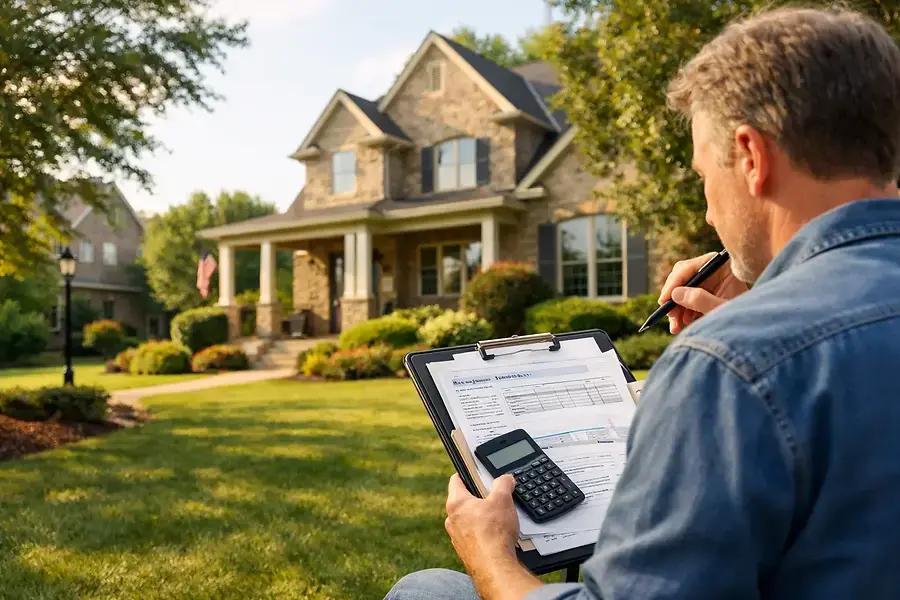
How Franklin's Property Tax System Works
Franklin, Tennessee's property tax system is designed to fund essential services like schools, infrastructure, and emergency services. Understanding how this system operates is the first step toward managing your tax obligations effectively. Property taxes in Franklin are calculated based on the assessed value of your home multiplied by the local tax rate, which is expressed as a millage rate.
The Williamson County Assessor's office is responsible for determining property values throughout the county, including Franklin. These assessments are conducted periodically to ensure that property values reflect current market conditions. The tax rate itself is set by local government entities and can vary depending on which school district and municipal services your property falls under.
Understanding the Assessment Process
The assessment process begins with the county assessor's office reviewing property characteristics such as square footage, lot size, age, condition, and recent comparable sales in your area. This data is compiled to estimate your home's fair market value. It's important to note that assessed value and market value are not always identical—the assessed value is used specifically for tax purposes.
Property owners receive assessment notices annually, typically in the spring. This notice includes the assessed value of your property and information about how to appeal if you believe the assessment is inaccurate. Many homeowners overlook this crucial document, but it represents an opportunity to challenge potentially inflated valuations.
Property Assessment Basics for Residential Owners
As a residential property owner in Franklin, you should understand several key factors that influence your assessment:
- Square Footage: The total livable area of your home is a primary factor in determining value. Additions or renovations that increase square footage will typically increase your assessed value.
- Lot Size: Larger lots generally command higher assessments, particularly in desirable Franklin neighborhoods.
- Property Condition: The overall condition and age of your home affect its assessed value. Well-maintained properties may receive higher valuations.
- Recent Sales Data: Assessors use comparable sales from your neighborhood to establish fair market values.
- Special Features: Pools, decks, garages, and other improvements can increase your assessment.
The Appeal Process
If you believe your property has been overassessed, you have the right to appeal. The appeal process in Williamson County typically involves submitting a formal appeal to the county assessor's office by a specified deadline. You'll need to provide evidence supporting your claim, such as recent appraisals, comparable property sales, or documentation of property defects that reduce value.
Pro Tip: Many successful appeals are based on comparable sales data. If similar homes in your neighborhood sold for less than your assessed value, this evidence can be compelling in your appeal.
Proven Tax Reduction Strategies for Franklin Homeowners
File an Assessment Appeal
The most direct way to reduce your property taxes is to challenge an inflated assessment. Gather documentation including recent appraisals, property inspection reports, and comparable sales data from your neighborhood. Present this evidence clearly and professionally to the assessor's office. Many homeowners successfully reduce their tax burden through this process.
Explore Homestead Exemptions and Tax Credits
Tennessee offers various exemptions and credits that may apply to your situation. The homestead exemption can provide significant tax relief for primary residences. Additionally, homeowners aged 65 and older may qualify for additional exemptions. Veterans may also be eligible for special tax considerations. Contact the Williamson County Assessor's office to determine which programs you qualify for.
Maintain Your Property Strategically
While you want to maintain your home's value, be strategic about major renovations. Significant improvements like kitchen remodels or additions will increase your assessed value. If you're planning major work, consider timing it strategically or consulting with a tax professional about potential implications.
Monitor Your Assessment Annually
Review your assessment notice each year. Look for errors such as incorrect square footage, lot size, or property characteristics. These clerical errors are surprisingly common and can be corrected relatively easily. If you notice discrepancies, contact the assessor's office immediately.
Consider Professional Assistance
For significant properties or complex situations, hiring a property tax consultant or appraiser may be worthwhile. These professionals understand the nuances of the assessment process and can identify opportunities for tax reduction that you might miss. The cost of professional assistance is often offset by the tax savings achieved.
Stay Informed About Tax Rate Changes
While you can't control the millage rate set by local government, staying informed about proposed changes allows you to plan accordingly. Attend local government meetings and review budget proposals to understand how tax rates may change in the future.
Conclusion: Taking Control of Your Property Tax Future
Property taxes are a significant expense for Franklin homeowners, but you're not powerless in the face of rising assessments. By understanding how the assessment process works, reviewing your annual assessment notices carefully, and taking action when appropriate, you can minimize your tax burden.
The key is to be proactive. Don't simply accept your assessment as final—if you believe it's inaccurate, file an appeal. Research available exemptions and credits. Monitor your property's assessed value year after year. Consider professional assistance if your situation warrants it.
Taking control of your property tax situation requires some effort, but the potential savings make it worthwhile. Start by reviewing your most recent assessment notice and determining whether any of the strategies outlined in this guide apply to your situation. Your property tax future is in your hands.