Understanding Grand Rapids Real Estate Market Trends and Pricing
Discover how supply, demand, and neighborhood dynamics are shaping property values and investment opportunities across West Michigan.

Introduction: The Current State of Grand Rapids Real Estate
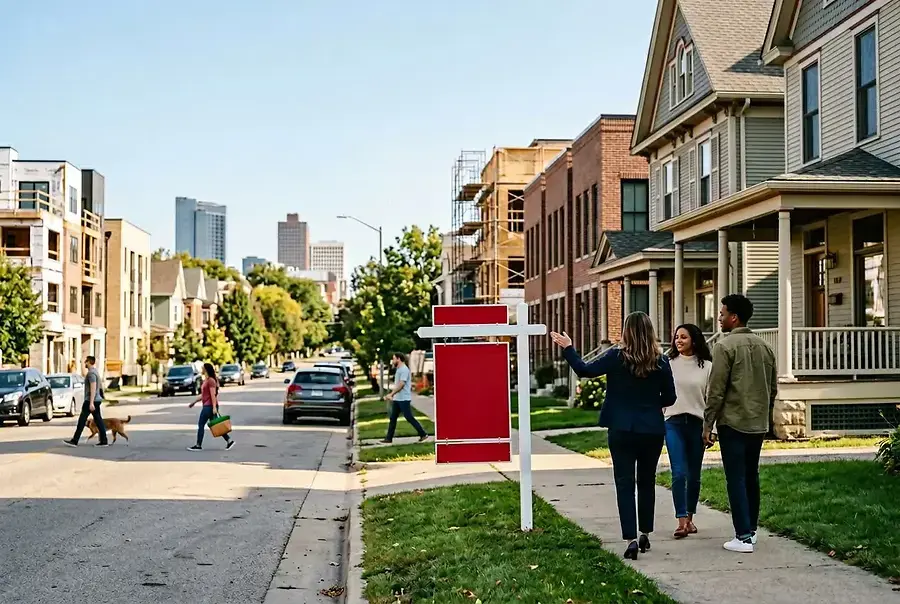
Grand Rapids has emerged as one of the most dynamic real estate markets in the Midwest, attracting both homebuyers and investors seeking opportunities in West Michigan. The market has experienced significant transformation over recent years, driven by population growth, economic development, and changing consumer preferences. Understanding the current landscape is essential for anyone considering a property purchase or investment in the region.
The Grand Rapids real estate market reflects broader economic trends while maintaining its own unique characteristics. With a growing job market, improving infrastructure, and an increasingly desirable urban lifestyle, the area continues to draw attention from across the country. Whether you're a first-time homebuyer, seasoned investor, or simply curious about market conditions, understanding these trends can help you make informed decisions.
Market Trends: Supply, Demand, and Price Movements
Supply Dynamics
The supply of available properties in Grand Rapids has been a defining factor in recent market conditions. New construction projects have increased housing inventory in certain neighborhoods, while other areas continue to experience limited supply. This uneven distribution creates distinct opportunities and challenges across different parts of the market.
- New Development: Several neighborhoods have seen increased residential construction, particularly in downtown areas and emerging communities on the city's outskirts.
- Inventory Levels: While overall inventory has improved compared to previous years, certain price ranges and neighborhoods still experience tight supply conditions.
- Renovation Market: Older homes continue to be renovated and updated, adding to the available housing stock while preserving neighborhood character.
Demand Patterns
Demand for Grand Rapids properties remains robust, fueled by multiple factors that continue to attract buyers to the region. The city's appeal extends beyond traditional homebuyers to include remote workers, young professionals, and investors seeking growth opportunities.
- Population Growth: Grand Rapids continues to attract new residents, with many relocating for employment opportunities and quality of life factors.
- Remote Work Influence: The shift toward flexible work arrangements has expanded the pool of potential buyers willing to relocate to the area.
- Investment Interest: Real estate investors recognize the market's potential, driving demand for both residential and mixed-use properties.
Price Movement Analysis
Property prices in Grand Rapids have reflected the balance between supply and demand, with variations across different neighborhoods and property types. Understanding price trends helps identify where values are appreciating and where opportunities may exist.
The interplay between supply and demand continues to shape pricing strategies and investment returns across the Grand Rapids market.
Median home prices have shown steady appreciation, though the rate of increase varies by location and property type. Condominiums and townhomes have gained popularity among younger buyers and downsizers, while single-family homes remain the dominant property type. Commercial properties and mixed-use developments have also attracted significant investment interest.
Neighborhood Price Comparisons and Investment Potential
East Hills and Heritage Hill
These established neighborhoods continue to command premium prices due to their desirable locations, architectural character, and proximity to downtown. Properties here appeal to buyers seeking established communities with strong neighborhood identity and excellent schools.
Downtown and Midtown Districts
The urban core has experienced remarkable revitalization, with loft conversions, new apartments, and mixed-use developments transforming the landscape. Young professionals and empty nesters are increasingly drawn to walkable neighborhoods with vibrant cultural amenities, restaurants, and entertainment options. This demographic shift has created strong appreciation potential in these areas.
Emerging Neighborhoods
Areas on the city's periphery and in surrounding communities offer more affordable entry points for buyers and investors. These neighborhoods often feature newer construction, modern amenities, and growing commercial development. While prices are lower than established areas, appreciation potential can be significant as infrastructure and services expand.
Investment Considerations
- Rental Market Strength: Strong demand for rental properties makes investment properties attractive, particularly near universities and employment centers.
- Appreciation Potential: Neighborhoods experiencing revitalization and new development often show stronger long-term appreciation.
- Cash Flow Opportunities: Emerging areas may offer better rental yields compared to established neighborhoods with higher property costs.
- Market Timing: Understanding neighborhood development cycles helps identify optimal entry points for investment.
Comparative Market Analysis
Price variations across Grand Rapids neighborhoods can be substantial. Downtown lofts may command $300,000 to $500,000, while suburban single-family homes range from $250,000 to $400,000. Emerging neighborhoods offer properties starting at $200,000, providing entry-level opportunities for first-time buyers and investors with limited capital.
These price differences reflect not only location and property type but also amenities, school districts, and neighborhood development stage. Savvy investors analyze these factors to identify undervalued properties with strong appreciation potential.
Conclusion: Using Market Data to Your Advantage
The Grand Rapids real estate market offers diverse opportunities for buyers and investors willing to research and understand local dynamics. Success requires analyzing supply and demand patterns, comparing neighborhood characteristics, and identifying properties aligned with your goals and timeline.
Key takeaways for navigating the market:
- Monitor supply and demand indicators in your target neighborhoods to time purchases strategically.
- Compare prices across neighborhoods to identify value opportunities and appreciation potential.
- Consider long-term neighborhood development plans when evaluating investment properties.
- Work with local real estate professionals who understand market nuances and neighborhood dynamics.
- Evaluate both current conditions and future growth potential when making property decisions.
Whether you're seeking a primary residence or investment opportunity, understanding Grand Rapids real estate market trends empowers you to make confident, informed decisions. The market's continued growth and diversification suggest sustained opportunities for those who approach their purchase or investment strategically. By staying informed about supply, demand, and neighborhood dynamics, you can position yourself to achieve your real estate goals in this vibrant West Michigan market.


