Understanding Hidden Costs When Buying a Home in Outer Banks
Discover the hidden expenses every homebuyer should budget for when purchasing property in Kitty Hawk and the Outer Banks.

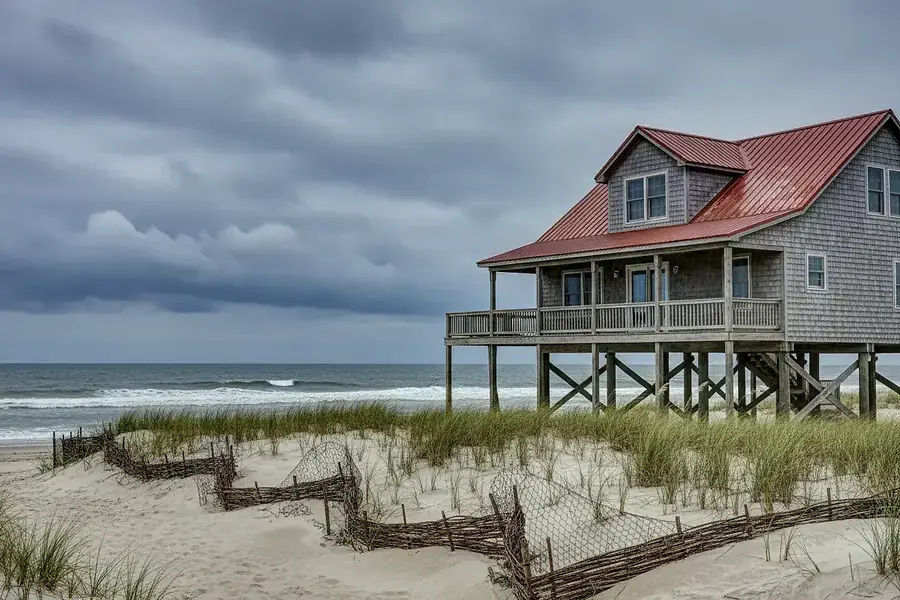
Understanding the True Cost of Homeownership
When most people think about buying a home in the Outer Banks, they focus on the purchase price and mortgage payments. However, the true cost of homeownership extends far beyond these initial figures. Many first-time homebuyers in Kitty Hawk and surrounding coastal areas are surprised by the additional expenses that come with owning property in this unique environment.
The Outer Banks presents a distinctive set of financial challenges and opportunities for homeowners. From the salty ocean air to the seasonal weather patterns, coastal living requires careful financial planning. Understanding these hidden costs before you purchase is essential for making an informed decision and avoiding financial strain down the road.
The key to successful homeownership in the Outer Banks is comprehensive budgeting. By anticipating these expenses, you can make a realistic assessment of what you can afford and plan accordingly. Let's explore the major hidden costs that every Outer Banks homebuyer should consider.
Property Taxes, Insurance, and HOA Fees in the Outer Banks Market
Property Taxes
Property taxes in the Outer Banks vary by county and municipality, but they are generally higher than the national average. Dare County, which includes Kitty Hawk, has specific tax rates that can significantly impact your annual housing costs. Unlike some regions, Outer Banks property taxes don't decrease over time, so you should budget for consistent increases as property values appreciate.
When calculating your property tax burden, remember that assessments can change based on improvements you make to your home. Adding a deck, renovating a kitchen, or upgrading your roof may trigger a reassessment and higher taxes.
Homeowners Insurance
Coastal property insurance is substantially more expensive than inland homeowners insurance. The Outer Banks faces unique risks including:
- Hurricane and tropical storm damage
- Wind damage from nor'easters
- Flood damage and storm surge
- Salt spray corrosion
- Erosion and foundation issues
Many standard homeowners policies don't cover flood damage, requiring a separate flood insurance policy through the National Flood Insurance Program (NFIP) or private insurers. Flood insurance can cost $500 to $2,000+ annually depending on your property's flood zone designation and elevation.
HOA Fees and Community Assessments
Many Outer Banks properties, particularly in developed communities and resort areas, are subject to homeowners association fees. These fees typically range from $200 to $500+ monthly and cover common area maintenance, beach access, amenities, and community improvements.
Beyond regular HOA fees, be prepared for special assessments. Coastal communities frequently need to fund beach nourishment projects, dune restoration, and infrastructure improvements to combat erosion and storm damage. These special assessments can add thousands of dollars to your annual housing costs.
Maintenance, Utilities, and Coastal Living Expenses
Increased Maintenance Costs
The coastal environment is harsh on homes. Salt air corrodes metal fixtures, wood siding, and roofing materials at an accelerated rate. You should budget for:
- Roof replacement: Every 15-20 years instead of the typical 20-25 years
- Exterior painting: Every 3-5 years to combat salt damage
- HVAC system maintenance: More frequent servicing due to salt corrosion
- Deck and railing replacement: Accelerated wear from weather exposure
- Foundation and pilings inspection: Critical for homes on stilts or pilings
Setting aside 1-2% of your home's value annually for maintenance is wise, but in the Outer Banks, you may need to budget 2-3% to account for coastal wear and tear.
Utility Expenses
Coastal living means higher utility bills. The combination of salt air, moisture, and weather extremes forces HVAC systems to work harder. Summer cooling costs can be 20-30% higher than inland properties, and winter heating expenses are also elevated due to the constant exposure to ocean winds.
Additionally, many Outer Banks properties use septic systems and well water rather than municipal services, which require regular maintenance and occasional replacement. Septic tank pumping typically costs $300-$500 every 3-5 years.
Erosion and Foundation Concerns
Erosion is a critical issue in the Outer Banks. Properties near the ocean may require bulkheads, seawalls, or other erosion control measures. These protective structures can cost $10,000 to $50,000+ to install and require ongoing maintenance.
Before purchasing, have a professional erosion assessment conducted. Some properties may face relocation requirements or become uninsurable if erosion rates exceed certain thresholds.
Seasonal and Vacation Rental Considerations
If you're considering renting your property as a vacation home, factor in additional costs:
- Property management fees (10-25% of rental income)
- Increased insurance for rental properties
- Furnishings and appliance replacement
- Cleaning and maintenance between guests
- Licensing and permit fees
While rental income can offset costs, the expenses associated with vacation rental management are substantial and often underestimated.
Planning Your Complete Budget for Outer Banks Homeownership
Successful homeownership in the Outer Banks requires thorough financial planning.
Don't let hidden costs derail your dream of coastal living—budget comprehensively before you buy.
Create a detailed spreadsheet that includes:
- Mortgage payment and property taxes
- Homeowners and flood insurance
- HOA fees and anticipated special assessments
- Annual maintenance reserves (2-3% of home value)
- Utilities and septic/well maintenance
- Erosion control and foundation monitoring
- Any vacation rental-related expenses
Work with a local real estate agent, insurance agent, and financial advisor who understand the Outer Banks market. They can provide realistic estimates based on comparable properties and local conditions.
The Outer Banks is a beautiful place to own a home, but it requires a commitment to understanding and managing the unique costs associated with coastal property ownership. By planning ahead and budgeting comprehensively, you can enjoy your Outer Banks investment without financial surprises.


